


Lipirob 10mg Tablet
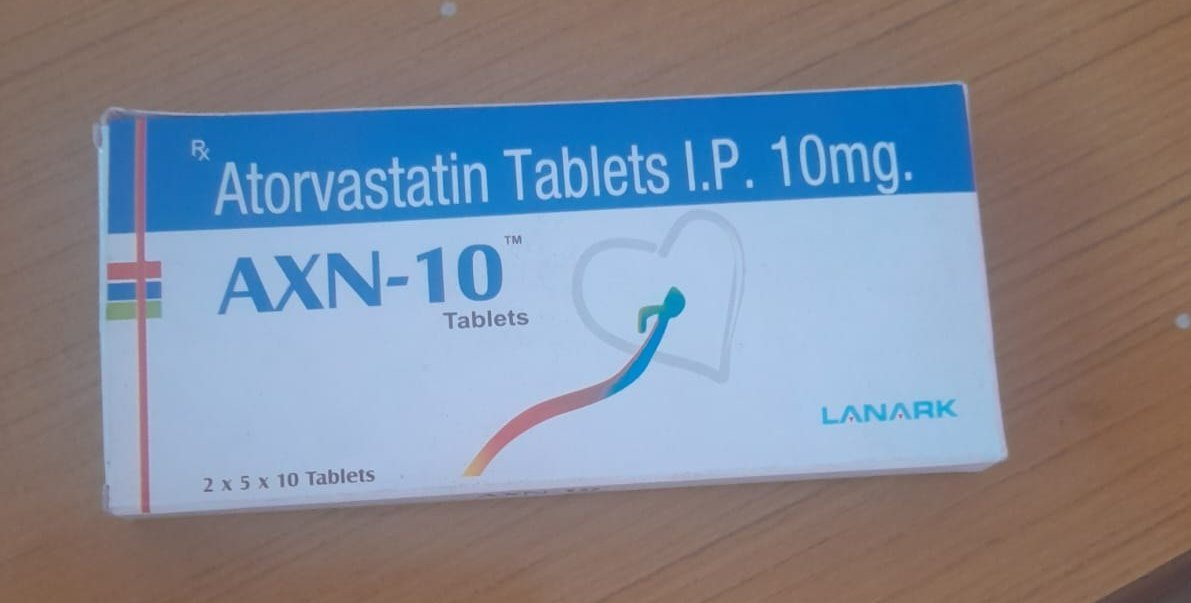
ATORVASTATIN
Introduction to Lipirob 10mg Tablet
Lipirob 10mg Tablet is a medication primarily used to manage cholesterol levels in the body. It contains the active ingredient Atorvastatin, which is known for its effectiveness in lowering bad cholesterol and triglycerides while increasing good cholesterol. This helps in reducing the risk of heart-related issues.
Composition of Lipirob 10mg Tablet
The main component of Lipirob 10mg Tablet is Atorvastatin. This ingredient works by blocking an enzyme in the liver responsible for producing cholesterol, thereby helping to lower overall cholesterol levels in the blood.
Uses of Lipirob 10mg Tablet
- Lowering high cholesterol levels
- Raising good cholesterol (HDL)
- Lowering triglyceride levels
- Reducing the risk of heart attacks
- Reducing the risk of strokes
- Preventing other heart-related issues
Side effects of Lipirob 10mg Tablet
Common side effects:
- Stuffy nose
- Sore throat
- Diarrhea
- Urinary tract infection
- Upset stomach
- Nausea
- Muscle cramps
- Joint pain
- Trouble sleeping
Serious side effects:
- Muscle damage
- Liver problems
Precautions of Lipirob 10mg Tablet
Lipirob 10mg Tablet is not recommended for pregnant or breastfeeding women. It can interact with several medications, so it's important to inform your doctor about all the medications you're taking to avoid dangerous interactions. If you experience significant mood changes, muscle pain, or discomfort, contact your doctor immediately.
How to Take Lipirob 10mg Tablet
- Take once a day, either before or after eating.
- If taken before eating, wait at least 1 hour after taking it.
- If taken after eating, wait at least 2 hours after taking it.
Conclusion of Lipirob 10mg Tablet
Lipirob 10mg Tablet is an effective medication for managing cholesterol levels and reducing the risk of heart-related issues. However, it is important to follow your doctor's instructions and be aware of potential side effects and interactions with other medications. Always consult your healthcare provider for personalized advice.

Is Lipirob a blood thinner?
Lipirob is not classified as a blood thinner but rather as a medication used to lower cholesterol levels Its mechanism of action involves regulating the production of cholesterol within the body By slowing down the synthesis of cholesterol Lipirob helps to reduce the accumulation of cholesterol on the arterial walls This in turn promotes unobstructed blood flow throughout the body By effectively lowering cholesterol and triglyceride levels Lipirob plays a vital role in preventing the occurrence of potentially lifethreatening events such as strokes and heart attacks Its ability to regulate cholesterol production makes Lipirob an important medication for individuals at risk for cardiovascular diseases
Does Lipirob cause weight loss?
Although there havent been any documented cases of Lipirob leading to weight loss it is important to acknowledge that there are reports of weight gain as a rare side effect If you do happen to notice weight loss while using Lipirob it is highly recommended that you seek guidance from your healthcare provider for further evaluation and advice It is crucial to understand that individual responses to medications can vary significantly and while weight loss may not be a commonly reported effect of Lipirob it does not necessarily mean it cannot occur Consulting with a healthcare professional will help determine whether the weight loss is linked to Lipirob or possibly related to other factors Your healthcare provider will evaluate your specific situation taking into account other medications individual characteristics and underlying medical conditions They will be able to provide you with appropriate guidance regarding your weight loss and make any necessary adjustments to your treatment plan Remember it is always important to communicate any changes or concerns related to your medication with your healthcare provider to ensure your safety and wellbeing
Can I stop taking Lipirob?
It is crucial not to discontinue the use of Lipirob without seeking guidance from your healthcare provider If you suspect that Lipirob may be triggering adverse reactions it is essential to consult with your doctor who can assess the situation and decide upon appropriate measures Depending on their evaluation your physician might opt to either decrease your current dosage or suggest an alternative medication that better suits your needs Prioritizing open communication with your healthcare professional is key in determining the most suitable course of action for your specific situation Together you and your doctor can work towards finding a solution that addresses your concerns while ensuring your overall wellbeing Abruptly discontinuing Lipirob without proper guidance can potentially have negative consequences and may compromise the effectiveness of your treatment Therefore it is always best to consult your doctor before making any adjustments to your medication regimen
Can I take alcohol with Lipirob?
Consuming alcohol while taking Lipirob is highly discouraged This is because the combination of alcohol and this medication significantly increases the risk of experiencing liver problems Additionally the combination of Lipirob and alcohol can lead to a notable elevation in triglyceride levels which can further contribute to liver damage and worsen certain side effects such as muscle pain weakness and tenderness Individuals who already have existing liver issues should exercise extra caution and consult their doctor before taking Lipirob It is crucial for these individuals to abstain from consuming alcohol while using this medication to ensure they receive the maximum potential therapeutic benefits By avoiding alcohol patients can help protect their liver and minimize the potential harm or complications that may arise from combining Lipirob with alcohol Therefore it is strongly recommended that patients adhere to their doctors advice and refrain from alcohol consumption while taking Lipirob
What are the most common side effects of Lipirob?
Lipirob may cause various adverse reactions which are commonly reported by individuals using this medication These reactions primarily affect the stomach and digestive system resulting in feelings of discomfort including nausea indigestion and constipation Additionally increased gas production can lead to flatulence while some individuals may experience bouts of diarrhea Headaches and general discomfort in the back and joints are also frequently reported side effects of Lipirob Furthermore this medication may contribute to the occurrence of nosebleeds a sore throat and coldlike symptoms such as a runny or blocked nose Frequent episodes of sneezing may also be experienced by individuals using Lipirob It is important to note that these adverse reactions should be reported to a healthcare professional who can provide guidance on managing and alleviating these symptoms
Does Lipirob make you tired?
Lipirob has the potential to induce fatigue as it diminishes the energy supply to the muscles within the body The precise mechanism behind this phenomenon remains elusive and necessitates further investigation Fatigue is commonly experienced following exertion and individuals with preexisting heart conditions or liver ailments are prone to experiencing generalized exhaustion Additionally Lipirob has been known to cause muscle damage exacerbating the sensation of tiredness Thus it is imperative to seek consultation from a healthcare professional if fatigue ensues while taking Lipirob It is crucial to address this issue to ensure the wellbeing of individuals consuming this medication By closely monitoring and providing personalized guidance doctors can better manage and alleviate fatigue symptoms associated with Lipirob usage
Similar Medicines
Atorvastatin (10mg)
Atorvastatin (10mg)
Atorvastatin (10mg)
Atorvastatin (10mg)
Atorvastatin (10mg)
More medicines by Park Pharmaceuticals
Omeprazole (20mg)
Domperidone (30mg) + Rabeprazole (20mg)
Magaldrate (540mg) + Activated Dimethicone/Simethicone (50mg) + Oxetacaine/Oxethazaine (10mg)
Gliclazide (80mg) + Metformin (500mg)
Gliclazide (80mg)





.svg)