


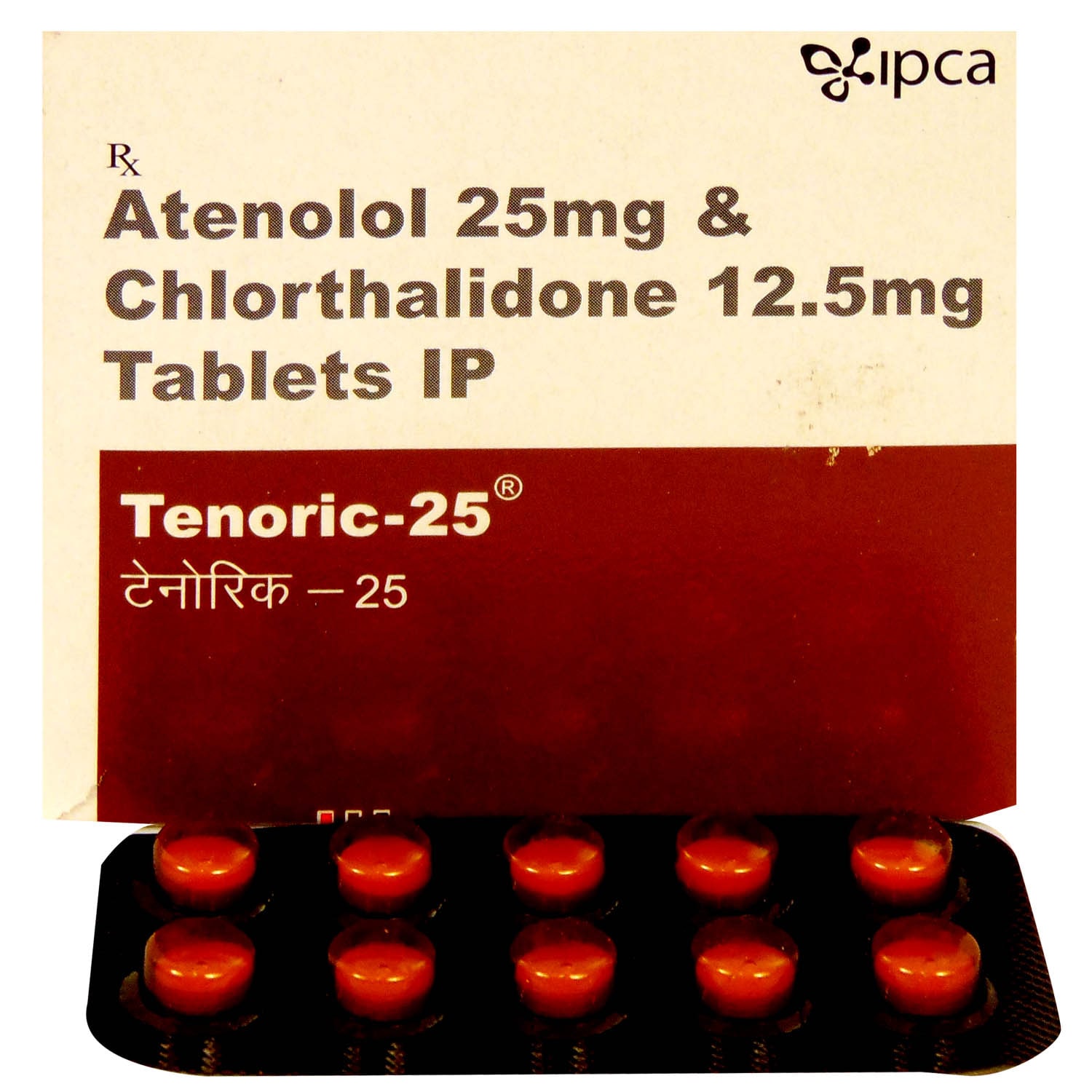
Tenoric 25mg/12.5mg Tablet 10s ATENOLOL + CHLORTHALIDONE
Tenoric 25 Tablet is a combination medication that is used to effectively treat high blood pressure also known as hypertension It consists of two medicines that work together to control blood pressure levels In addition to regulating blood pressure this medication also reduces the risk of future heart attacks and strokes It is recommended to take Tenoric 25 Tablet with or without food preferably in the morning to avoid experiencing frequent urination at night It is important to continue taking this medication for the entire duration prescribed by your doctor even if you start feeling better This is because high blood pressure often shows no symptoms and stopping the medication abruptly can worsen your condition To further manage your blood pressure it is advised to engage in regular physical activity maintain a healthy weight and follow a balanced diet It is crucial to adhere to your doctors instructions while taking this medication





Are the medicines in combination of Atenolol and Chlorthalidone safe to take together?
Atenolol and chlorthalidone, when used together, do not have significant drug-drug interactions with each other, as studies have shown no interference with bioavailability. However, when combined with other medications, such as calcium channel blockers or NSAIDs, interactions can occur. Monitoring involves regular blood pressure checks, electrolyte level assessments, and observing for symptoms of bradycardia or hypotension. Patients should report any unusual symptoms to their healthcare provider, who may adjust dosages or recommend alternative therapies.
Are there harms and risks from taking combination of Atenolol and Chlorthalidone?
Common side effects of atenolol include dizziness, tiredness, and depression, while chlorthalidone may cause muscle weakness, dizziness, and stomach upset. Both medications can lead to low blood pressure and electrolyte imbalances. Serious side effects include shortness of breath, wheezing, and swelling of the extremities. Atenolol may cause bradycardia (slow heart rate), and chlorthalidone can lead to severe skin reactions. Patients should report any severe or persistent side effects to their doctor immediately.
Can I take combination of Atenolol and Chlorthalidone if I am pregnant?
Atenolol can cross the placental barrier and has been associated with fetal growth restriction when used during pregnancy, particularly in the second trimester. Chlorthalidone, like other diuretics, may cause electrolyte imbalances in the mother and fetus. Both medications should be used during pregnancy only if the potential benefits justify the risks to the fetus. Pregnant women should consult their healthcare provider to carefully weigh the risks and benefits and consider alternative treatments if necessary.
Can I take combination of Atenolol and Chlorthalidone while breastfeeding?
Atenolol is excreted in breast milk and may cause bradycardia and hypoglycemia in breastfed infants, especially in premature or renal-impaired infants. Chlorthalidone also passes into breast milk, but its effects on nursing infants are less well-documented. Caution is advised when administering these medications to breastfeeding mothers. Healthcare providers may recommend monitoring the infant for any adverse effects or considering alternative treatments if necessary. It's important for nursing mothers to discuss the risks and benefits with their healthcare provider.
Can I take combination of Atenolol and Chlorthalidone with other prescription drugs?
Atenolol and chlorthalidone can interact with several prescription drugs. Atenolol may interact with calcium channel blockers, leading to increased risk of bradycardia and heart block. Chlorthalidone can interact with lithium, increasing the risk of lithium toxicity. Both medications can interact with other antihypertensives, potentially causing excessive blood pressure reduction. Patients should inform their healthcare provider of all medications they are taking to avoid adverse interactions and ensure safe use.
For how long is combination of Atenolol and Chlorthalidone taken?
Atenolol and chlorthalidone are typically used as long-term treatments for managing high blood pressure. While atenolol may take 1-2 weeks to show full benefits, both medications are intended for continuous use to maintain blood pressure control. They do not cure hypertension but help manage it, requiring ongoing use even if symptoms improve. Regular monitoring by a healthcare provider is essential to ensure effectiveness and adjust dosages as needed.
How does combination of Atenolol and Chlorthalidone work?
Atenolol works by blocking beta-adrenergic receptors, which slows the heart rate and relaxes blood vessels, improving blood flow and reducing blood pressure. Chlorthalidone acts as a diuretic, promoting the elimination of excess water and salt through urine, which decreases blood volume and pressure. Together, they provide a dual approach to managing hypertension: atenolol reduces the heart's workload, while chlorthalidone reduces fluid retention, both contributing to lower blood pressure and reduced cardiovascular risk.
How does one take combination of Atenolol and Chlorthalidone?
Atenolol and chlorthalidone can be taken with or without food, but it is important to take them at the same time each day to maintain consistent blood levels. There are no specific food restrictions, but patients are advised to follow a low-salt diet to enhance the medication's effectiveness in controlling blood pressure. It's also important to stay hydrated, especially when taking chlorthalidone, as it increases urine output. Patients should consult their doctor for personalized dietary advice and report any unusual symptoms.
How do I know if combination of Atenolol and Chlorthalidone is working?
The benefit of atenolol and chlorthalidone is primarily assessed by monitoring blood pressure levels. Regular blood pressure checks help determine the effectiveness of the medication in controlling hypertension. Additionally, atenolol's benefits can be measured by observing improvements in angina symptoms and heart rate. For chlorthalidone, the reduction in fluid retention and associated symptoms can also indicate its effectiveness. Both medications aim to reduce the risk of cardiovascular events, and their success is evaluated through regular medical check-ups and patient feedback on symptom improvement.
How do I store combination of Atenolol and Chlorthalidone?
Atenolol and chlorthalidone do not require refrigeration. They should be stored at room temperature, away from excess heat and moisture, and kept in their original container, tightly closed. It's important to keep them out of reach of children and pets. Proper storage ensures the medication remains effective and safe to use. Unused or expired medication should be disposed of through a medicine take-back program, not flushed down the toilet.
How effective is combination of Atenolol and Chlorthalidone?
The effectiveness of atenolol and chlorthalidone in treating hypertension is supported by clinical trials and studies. Atenolol, as a beta-blocker, has been shown to reduce heart rate and blood pressure, improving outcomes in patients with angina and post-heart attack. Chlorthalidone, a diuretic, effectively reduces fluid retention and lowers blood pressure by promoting sodium and water excretion. Together, they provide an additive antihypertensive effect, with studies indicating no interference in bioavailability when combined. This combination has been proven to lower the risk of cardiovascular events, such as strokes and heart attacks, by effectively managing blood pressure.
How long does it take for combination of Atenolol and Chlorthalidone to work?
Atenolol, a beta-blocker, typically starts to show its effects within 1 to 2 weeks for high blood pressure and angina. Chlorthalidone, a diuretic, begins to work within 2 hours of ingestion, promoting diuresis and reducing blood pressure. When combined, the antihypertensive effects of atenolol and chlorthalidone are additive, providing a more comprehensive approach to lowering blood pressure. The combination may take a few weeks to show full benefits, as the body adjusts to the medication. Both medicines work together to improve blood flow and reduce blood pressure, but their onset times differ slightly due to their unique mechanisms of action.
What disease or symptom is combination of Atenolol and Chlorthalidone used for?
Atenolol and chlorthalidone are primarily indicated for the treatment of high blood pressure (hypertension). Atenolol is also used to prevent angina (chest pain) and improve survival after a heart attack. Chlorthalidone is additionally used to treat fluid retention (edema) associated with heart disease. Together, they provide a comprehensive treatment for hypertension, reducing the risk of cardiovascular events such as heart attacks and strokes.
What is combination of Atenolol and Chlorthalidone?
Atenolol and chlorthalidone are combined to treat high blood pressure. Atenolol is a beta-blocker that relaxes blood vessels and slows heart rate, improving blood flow and reducing blood pressure. Chlorthalidone is a diuretic that helps the kidneys eliminate excess water and salt, further lowering blood pressure. Together, they provide a comprehensive approach to managing hypertension, reducing the risk of cardiovascular events like heart attacks and strokes.
What is the usual dose of combination of Atenolol and Chlorthalidone?
The usual adult daily dose for atenolol is 50 mg, which can be increased to 100 mg if needed. For chlorthalidone, the typical dose is 25 mg daily. When combined in a single tablet, the initial dose is often 50 mg of atenolol and 25 mg of chlorthalidone, taken once a day. If necessary, the dose can be increased to 100 mg of atenolol with 25 mg of chlorthalidone. Both medications are taken orally and are used to manage high blood pressure, with atenolol also addressing angina and post-heart attack survival. The combination provides a convenient dosing regimen for patients requiring both medications.
Who should avoid taking combination of Atenolol and Chlorthalidone?
Atenolol and chlorthalidone are contraindicated in patients with severe bradycardia, heart block, or cardiogenic shock. Atenolol should be used cautiously in patients with asthma or bronchospastic diseases due to its potential to cause bronchospasm. Chlorthalidone is contraindicated in patients with anuria or severe renal impairment. Both medications require caution in patients with diabetes, as they can mask hypoglycemia symptoms. Patients should not abruptly discontinue atenolol, as it may exacerbate angina or cause a heart attack. Regular monitoring and consultation with a healthcare provider are essential to manage these risks.
Similar Medicines
Atenolol (25mg) + Chlorthalidone (12.5mg)
More medicines by Ipca Laboratories Ltd
Ketorolac (0.5% w/v) + Moxifloxacin (0.5% w/v)
Magnesium Citrate (375mg) + Potassium Citrate (1100mg) + Pyridoxine (20mg)
Aloe Vera (10% w/w) + Calamine (8% w/w) + Liquid Paraffin (10% w/w)
Domperidone (30mg) + Pantoprazole (40mg)
Calcium Pantothenate (200mg)





.svg)