


Zolpax Nasal Spray 5ml
ZOLMITRIPTAN
To ensure the proper use of Zolpax Nasal Spray it is essential to follow the doctors advice and adhere to their guidance It is advisable to keep the spray with you at all times as an attack may occur unexpectedly It is important not to miss any doses and complete the full course of treatment even if you start feeling better In case you forget to take a dose take it as soon as you remember Possible side effects of this medication include dryness in the mouth nausea changes in taste drowsiness and peripheral neuropathy which may cause tingling and numbness in the feet and hands It may also induce dizziness so it is recommended not to drive or operate machinery until you are aware of how the medication affects you If you have any existing heart conditions it is crucial to inform your doctor as the use of this medicine may be contraindicated in some cases

What are the symptoms of Zolpax overdose?
Taking an overdose of Zolpax may cause fainting, dizziness, slow heartbeat, change in electrical activity of the heart, vomiting and inability to retain urine or stools.
Can Zolpax cause liver damage?
No, Zolpax does not cause liver damage, but you should let your doctor know if you have any liver problem, before taking Zolpax.
I have been prescribed Zolpax. Can I take other migraine medicines similar to Zolpax with it?
Zolpax belongs to a family of tryptamine-based drugs called Triptans. You should not take another triptan along with Zolpax. Taking two triptans together may trigger a heart attack and may also result in an increase in blood pressure.
What should I tell my doctor before taking Zolpax?
Before taking Zolpax, you should tell your doctor if you have heart disease, high blood pressure, diabetes, liver or kidney disease or a family history of heart disease. You should also inform your doctor if you smoke, have had your menopause, or are a man aged 40 years or more. Let your doctor know if your headache is associated with dizziness, difficulty in walking, lack of coordination or weakness in the leg and arm. Your doctor should also know if you are taking medicines to treat depression such as sertraline, escitalopram oxalate, fluoxetine, venlafaxine, or duloxetine. It is also important to inform your doctor if you have had short-lived chest pain and tightness.
Similar Medicines
Zolmitriptan (5mg)
More medicines by Alteus Biogenics Pvt Ltd
Risperidone (2mg) + Trihexyphenidyl/Benzhexol (2mg)
Risperidone (3mg) + Trihexyphenidyl/Benzhexol (2mg)
Domperidone (10mg) + Pantoprazole (40mg)
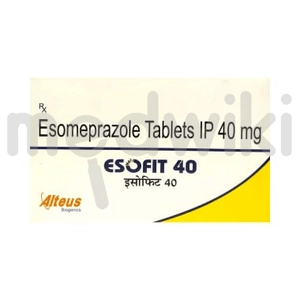
Esomeprazole (40mg)
Sodium Valproate (333mg) + Valproic Acid (145mg)





.svg)