


1:15
Choosing the right orthodontic treatment can feel overwhelming because there are several options available today. UnderstandingInvisible Braces Vs Metal Braces is the first step toward making a confident decision. Both treatments aim to improve your smile, but they differ in appearance, comfort, maintenance, and cost. Knowing these differences can help you choose the option that matches your lifestyle anddental needs.Many people today considerinvisible braces for teeth because they are less noticeable during daily activities. Others still prefermetal braces because they have a long history of delivering reliable results for different orthodontic concerns. Whether you need simpleteeth straightening or treatment for a more complex issue, learning about each option will help you make an informed choice.Your orthodontist will recommend the most suitable treatment based on your dental condition, age, and treatment goals. This guide explains everything from comfort and effectiveness to maintenance and long-term care so you can decide with confidence.What Are Invisible Braces?Invisible braces are clear orthodontic aligners designed to gradually move teeth into better positions. They are custom-made for every patient and fit snugly over the teeth. Since they are transparent, many people feel more comfortable wearing them in social and professional settings.Unlike traditional braces, thesealigners can be removed while eating, brushing, and flossing. This flexibility makes them easier to maintain and helps reduce food restrictions during treatment. Patients simply need to wear them for the recommended number of hours each day.People with mild to moderate alignment problems often benefit frominvisible braces for teeth because they provide a discreet way to improve their smile. However, consistent wear is essential for successful treatment and timely results.What Are Metal Braces?Metal braces are traditional orthodontic appliances made from durable stainless steel brackets and wires. They remain attached to the teeth throughout treatment and gradually guide teeth into proper alignment.Both treatment options have unique strengths that suit different patients.Highly effective for complex alignment issuesSuitable forchildren, teenagers, and adultsCannot be removed by the patientRegular orthodontic adjustments improve progressDurable enough for long treatment periodsOften recommended for severe bite problemsAlthough they are more visible than clear aligners,metal braces continue to be one of the most trusted methods for correcting difficult orthodontic conditions. Their proven success makes them a popular recommendation among orthodontists.How Comfort Differs Between Both OptionsComfort is one of the biggest factors people consider before starting orthodontic treatment. Clear aligners have smooth edges that reduce irritation inside the mouth. Since there are no brackets or wires, patients usually experience fewer sores during daily wear.Every patient experiences treatment differently depending on their dental condition.Smooth plastic reducesgum irritationNo metal wires that may poke the cheeksMild pressure during each aligner changeMetal brackets may cause temporary discomfortOrthodontic wax can reduce irritationComfort improves as the mouth adjustsMany people findinvisible braces easier to adapt to during the first few weeks. However, patients wearingmetal braces often become comfortable once their mouth adjusts to the appliances.Comparing Cost and ValueThe cost of orthodontic treatment depends on several factors, including treatment complexity, location, orthodontist experience, and treatment duration. While clear aligners may appear more expensive initially, the overall value depends on your specific dental needs.Insurance coverage may also influence your final treatment expenses. Some insurance plans partially cover orthodontic care regardless of the treatment type. Discussing financial options with your orthodontist can help you plan your budget more effectively.When comparingInvisible Braces Vs Metal Braces, remember that choosing the least expensive option is not always the best decision. Long-term results, treatment success, and comfort should also be considered alongside the overall cost.Which Option Is More Effective?Both orthodontic treatments are highly effective when used correctly. Mild spacing, crowding, and cosmetic concerns often respond well toinvisible braces for teeth gap and similar alignment issues. More complicated bite corrections usually benefit from fixed braces.Treatment effectiveness depends on following professional instructions carefully.Wear aligners for the recommended hours dailyAttend every scheduled orthodontic appointmentReplace aligners according to scheduleAvoid damaging fixed bracketsMaintain excellent oral hygieneFollow dietary recommendationsFor severe orthodontic problems,metal braces may provide better control over tooth movement. However, many patients with moderate alignment concerns achieve excellent outcomes usinginvisible braces for teeth.Daily Maintenance and Oral HygieneKeeping your teeth clean during orthodontic treatment is essential for preventing cavities and gum problems. Clear aligners can be removed, making brushing and flossing much easier than with traditional braces.Good oral care supports healthy teeth throughout treatment.Brush after every mealClean aligners regularlyFloss every dayAvoid sugary drinks when possibleAttend routine dental checkupsFollow orthodontist instructions carefullyPatients wearingmetal braces should spend extra time cleaning around brackets and wires. Proper hygiene improves treatment success and keeps your smile healthy throughout the orthodontic journey.Who Is the Ideal Candidate?Not every orthodontic patient has the same treatment needs. Some people value appearance more than convenience, while others require stronger corrective forces for significant bite problems. Your orthodontist will evaluate your oral health before recommending a suitable option.Choosing the right treatment depends on several important factors.Age and dental developmentSeverity of alignment issuesDaily lifestyle habitsCommitment to wearing alignersBudget considerationsExpected treatment goalsUnderstandingInvisible Braces Vs Metal Braces allows patients to balance aesthetics, convenience, and effectiveness before beginning treatment. Professional guidance remains the most important factor when making the final decision.Uses of Orthodontic TreatmentOrthodontic treatment is recommended for much more than improving appearance. Properly aligned teeth contribute to better oral health, improved chewing, and easier cleaning. Many patients also experience greater confidence after successfulteeth straightening.Orthodontic treatment supports overall dental function.Correct crowded teethImprove bite alignmentClose spacing between teethSupportinvisible braces for teeth gap treatmentImprove speech in some casesEnhance smile appearanceBoth clear aligners andmetal braces help patients achieve healthier smiles while improving daily comfort and confidence.Benefits of Choosing the Right TreatmentSelecting the appropriate orthodontic treatment provides long-term advantages beyond cosmetic improvements. Proper alignment helps distribute biting forces evenly and supports healthier gums and teeth.The right treatment offers many lasting benefits.Better oral hygieneImproved confidenceHealthier bite functionEasier chewingReduced tooth wearBetter long-term dental healthAfter treatment, wearing aretainer for teeth straightening helps preserve your new smile. Following your orthodontist's recommendations ensures your results remain stable for many years.Possible Side Effects and Long-Term CareMost orthodontic treatments involve temporary side effects that improve as patients adjust. Mild soreness, pressure, and temporary speech changes are common during the first few days of treatment.Knowing what to expect helps patients stay motivated.Temporary tooth sorenessMild gum irritationIncreased saliva productionShort adjustment periodRegular orthodontic monitoringImportance of follow-up careCompleting treatment is only the beginning. Wearing aretainer for teeth straightening consistently helps prevent teeth from shifting and protects your investment in a healthier smile.ConclusionChoosing betweenInvisible Braces Vs Metal Braces depends on your dental condition, personal preferences, lifestyle, and budget. Both options provide effective solutions for achieving a straighter and healthier smile when supervised by an experienced orthodontist.Patients looking for discreet treatment often preferinvisible braces, while those with complex orthodontic concerns may benefit more frommetal braces. Every smile is unique, so professional evaluation is essential before starting treatment.No matter which option you choose, commitment to good oral hygiene, regular dental visits, and wearing aretainer for teeth straightening after treatment will help maintain your results for years to come.FollowMedwikifor more!Frequently Asked Questions1. Which is better, Invisible Braces Vs Metal Braces?Both treatments are effective. Clear aligners are ideal for mild to moderate alignment issues, while metal braces are generally recommended for more complex orthodontic cases.2. Are invisible braces for teeth comfortable?Yes. Most patients find them comfortable because they are made from smooth plastic without metal brackets or wires. Mild pressure is normal when switching to a new aligner.3. Can invisible braces for teeth gap close spaces completely?Yes. Many small and moderate gaps respond very well to clear aligner treatment when worn consistently according to the orthodontist's instructions.4. How long does teeth straightening usually take?Treatment time varies depending on the severity of the dental problem. Many patients complete treatment within 12 to 24 months, although some cases may require more time.5. Do metal braces work faster than invisible braces?In complex orthodontic cases, metal braces may provide more precise tooth movement. For mild cases, both options can produce similar treatment times.6. Why is a retainer for teeth straightening necessary?A retainer keeps your teeth in their new positions after treatment. Without regular retainer use, teeth may gradually shift back toward their original alignment.7. How do I choose between Invisible Braces Vs Metal Braces?The best choice depends on your dental condition, treatment goals, budget, and lifestyle. A qualified orthodontist can evaluate your teeth and recommend the most suitable treatment plan.
1:15
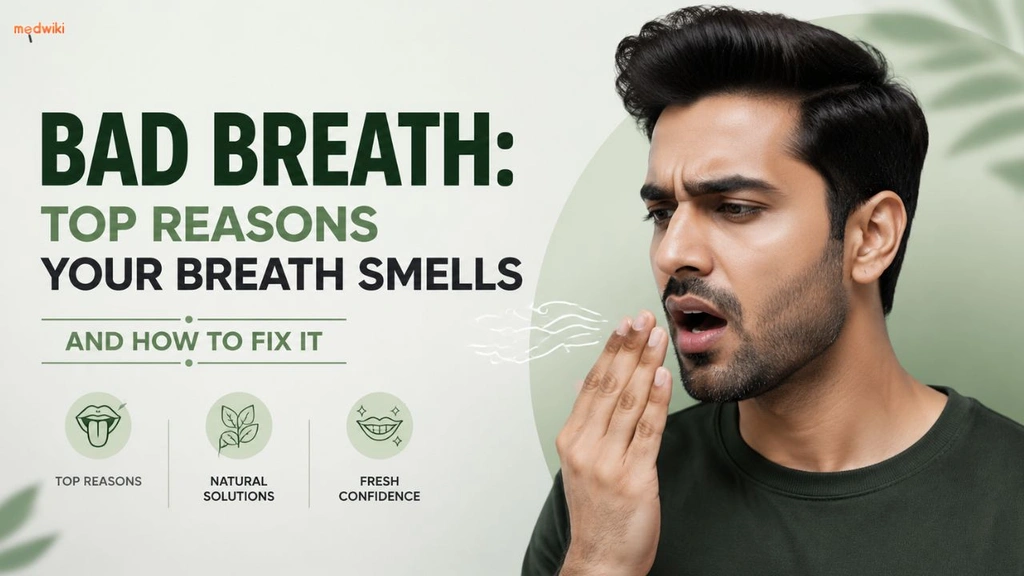
Bad Breath is a common problem that can affect people of all ages. It may occur occasionally after eating certain foods, but for some individuals, it becomes a persistent issue that impacts confidence and daily interactions. While temporary mouth odor is usually harmless, ongoing unpleasant breath may indicate an underlyingdental or medical condition that requires attention.Many people assume that brushing their teeth is enough to prevent unpleasant breath, but the reality is more complex. PoorOral Hygiene, dietary habits,Dry Mouth (Xerostomia), and several health conditions can all contribute toBad Breath Causes. Understanding these factors is the first step toward finding the right solution.This guide explains the most commoncauses of bad breath, how to identify warning signs, available treatment options, and practical tips to keep your breath fresh while supporting your overall oral health.What Is Bad Breath?Halitosis is the medical term used to describe unpleasant-smelling breath that continues despite normal eating habits. While everyone experiences temporary mouth odor from time to time, ongoing odor often indicates a deeper issue that should not be ignored.Many factors contribute toMouth Odor, including bacteria that naturally live inside the mouth. These bacteria break down food particles and release sulfur-containing compounds, creating an unpleasant smell. Without properOral Hygiene, these bacteria continue to multiply and worsen the odor.LearningWhat Bad Breath Says About Your Health can help identify problems before they become more serious. In some cases, persistent odor may point to dental disease, digestive issues, or certain medical conditions that require professional care.Common Causes of Bad BreathSeveral everyday habits and health conditions can contribute to unpleasant breath. Identifying the exact cause makes it easier to choose the most effective treatment.The following are among the most commoncauses of bad breath.PoorOral HygieneDry Mouth (Xerostomia)Smoking and tobacco useStrong-smelling foods such as garlic and onionsGum disease and tooth decayBacterial buildup on the tongueUnderstanding theseBad Breath Causes allows people to make lifestyle changes that improve both oral health and breath freshness. In many cases, simple daily habits make a noticeable difference.Signs That Your Breath May Be a ProblemMany individuals are unaware they have unpleasant breath because they become accustomed to the smell over time. Family members, friends, or a dentist often notice the problem first.Certain symptoms commonly accompanypersistent bad breath.A constant unpleasant taste in the mouthWhite coating on the tongueDry or sticky feeling inside the mouthThick salivaOngoingMouth OdorBleeding or swollen gumsThese symptoms should not be ignored because they may indicate gum disease, infection, orChronic Bad Breath requiring professional evaluation. Early treatment often prevents more serious dental complications.How Oral Hygiene Affects Your BreathGoodOral Hygiene is one of the most effective ways to prevent unpleasant breath. Food particles left between teeth provide bacteria with an ideal environment to grow, producing odor-causing compounds.Brushing twice daily, flossing regularly, and cleaning the tongue significantly reduce bacterial buildup. Regular dental checkups also help remove plaque and tartar that cannot be eliminated through brushing alone.Maintaining excellentOral Hygiene not only reducesHalitosis but also lowers the risk of cavities, gum disease, and other oral health problems that contribute to unpleasant breath.Health Conditions That Can Cause Bad BreathAlthough poor oral care is the leading cause, some medical conditions can also contribute to unpleasant breath. UnderstandingWhat Bad Breath Says About Your Health helps determine when it is time to seek medical advice.Several health conditions may be associated with ongoing odor.Dry Mouth (Xerostomia)Gum diseaseSinus infectionsDiabetesAcid refluxRespiratory infectionsWhenChronic Bad Breath continues despite good dental care, a healthcare provider can investigate whether an underlying medical condition is responsible. Identifying the true cause is essential for successfulBad Breath Treatment.How Dentists Diagnose the ProblemDiagnosing the cause of unpleasant breath begins with a detailed dental examination. Your dentist will ask about your daily oral care routine, diet, medications, and any medical conditions that may contribute toMouth Odor. A thorough evaluation helps identify whether the source is inside the mouth or related to another health condition.Several methods may be used during the examination.Check the teeth and gums for decay or infectionExamine the tongue for bacterial coatingEvaluate signs ofDry Mouth (Xerostomia)Assess plaque and tartar buildupReview medical history and medicationsRecommend additional medical tests if necessaryA proper diagnosis ensures thatBad Breath Treatment targets the underlying cause rather than simply masking the odor with temporary solutions.Treatment OptionsThe bestBad Breath Treatment depends on the reason behind the odor. Some people only need to improve their oral care routine, while others require treatment for gum disease, infections, or medical conditions affecting breath.Common treatment options include the following.Professional dental cleaningTreatment for cavities and gum diseaseRegular brushing and flossingTongue cleaning every dayManagingDry Mouth (Xerostomia)Treating underlying medical conditionsFollowing your dentist's recommendations can greatly reducePersistent Bad Breath and improve overall oral health. Consistent care is the key to preventing the problem from returning.Tips to Prevent Bad BreathPreventing unpleasant breath is usually easier than treating it after it develops. Daily habits play a major role in maintaining fresh breath and reducing bacterial growth inside the mouth.Healthy habits that help include the following.Brush your teeth twice dailyFloss every dayClean your tongue regularlyDrink plenty of waterVisit your dentist every six monthsAvoid tobacco productsThese simple steps reduce theCauses of Bad Breath while promoting healthier teeth and gums. Good prevention also lowers the risk of developingChronic Bad Breath over time.When Should You See a Doctor or Dentist?Occasional odor after eating certain foods is normal, but persistent symptoms deserve professional attention. Ignoring ongoing breath problems may allow dental or medical conditions to worsen.Seek professional care if you notice any of these signs.Persistent Bad Breath lasting several weeksBleeding or swollen gumsLoose teethSevere dry mouthPain while chewingBreath odor that does not improve with good oral careThese symptoms may indicate seriousBad Breath Causes that require prompt treatment. Early evaluation helps prevent complications and supports long-term oral health.Long-Term OutlookMost cases ofBad Breath improve once the underlying cause is identified and treated. Maintaining consistent oral care and addressing health conditions early greatly reduces the likelihood of recurring odor.Long-term success depends on healthy daily habits.Continue excellentOral HygieneStay well hydratedAttend regular dental checkupsEat a balanced dietTreat medical conditions promptlyFollow your dentist's adviceWith proper care, most people can successfully controlHalitosis and enjoy fresher breath for years to come.ConclusionBad Breath is a common condition that often has a simple explanation, but it should never be ignored when it becomes persistent. Understanding theCauses of Bad Breath helps you take the right steps toward fresher breath and better oral health.GoodOral Hygiene, regular dental visits, and staying hydrated are among the most effective ways to preventMouth Odor. Addressing conditions such asDry Mouth (Xerostomia) or gum disease can also make a significant difference.If you continue to experiencePersistent Bad Breath despite good oral care, consult a dentist or healthcare provider. Early diagnosis and appropriateBad Breath Treatment can improve your oral health, confidence, and overall well-being.FollowMedwikifor more!Frequently Asked Questions1. What is Halitosis?Halitosis is the medical term for persistent unpleasant breath. It is commonly caused by bacteria in the mouth but may also result from dental problems, dry mouth, or certain medical conditions.2. What are the most common causes of Bad Breath?The most commonCauses of Bad Breath include poorOral Hygiene, gum disease,Dry Mouth (Xerostomia), tobacco use, strong-smelling foods, and bacterial buildup on the tongue.3. What does Bad Breath say about your health?UnderstandingWhat Bad Breath Says About Your Health can help identify conditions such as gum disease, sinus infections, diabetes, acid reflux, or other health problems that may require medical attention.4. Can Dry Mouth Cause Bad Breath?Yes.Dry Mouth (Xerostomia) reduces saliva production, allowing bacteria to multiply more easily. This often leads to increasedMouth Odor and a higher risk of dental problems.5. What is the best Bad Breath Treatment?The most effectiveBad Breath Treatment depends on the underlying cause. It may include improving oral hygiene, professional dental cleaning, treating gum disease, staying hydrated, or managing an underlying medical condition.6. When should I worry about Chronic Bad Breath?You should seek professional advice ifChronic Bad Breath continues despite good oral care, is accompanied by bleeding gums, loose teeth, dry mouth, or lasts for several weeks without improvement.7. How can I prevent persistent bad breath?PreventingPersistent Bad Breath involves brushing twice daily, flossing, cleaning your tongue, drinking enough water, avoiding tobacco, maintaining excellentOral Hygiene, and visiting your dentist regularly for checkups and professional cleanings.
1:15
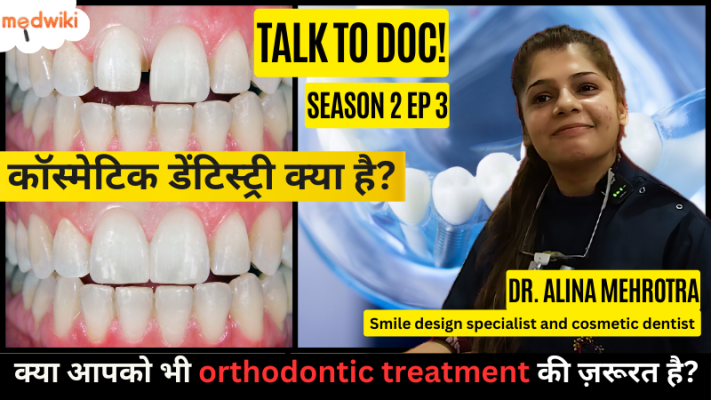
Welcome to Season 2, Episode 3 of "Talk to Doc"!In this episode, we had the pleasure of speaking with the renowned cosmetic dentist, Dr. Elina Mehrotra. We explored the fascinating world of cosmetic dentistry and uncovered the secrets behind achieving that perfect smile. Dr. Mehrotra answered some common questions, including:1. What is cosmetic dentistry?2. What are the different types of cosmetic dental treatments?3. How are veneers applied?4. What is the difference between direct and indirect veneers?5. When should veneers be used?6. When should veneers not be used?7. When is orthodontic treatment recommended?Don't miss out on this informative and engaging conversation!
1:15
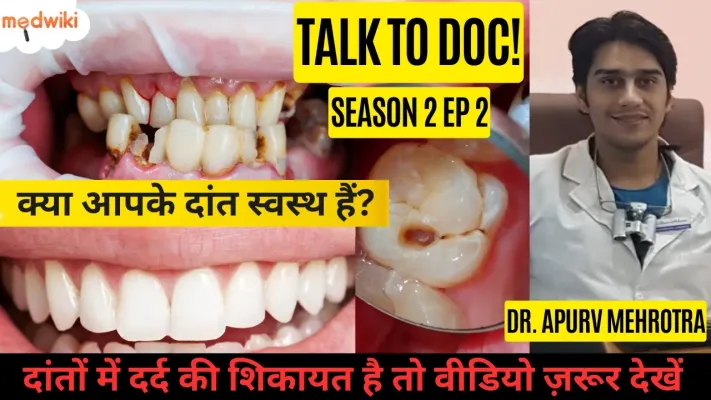
Join us for the exciting episode of Talk to Doc Season 2, powered by Medwiki! In this second episode, we are delighted to welcome Dr. Apurv Mehrotra from Dentistree Dental Hospital, Lucknow. Dr. Mehrotra shares his expert insights as we dive into a few essential questions about dental health:Gum disease kya hai aur iske lakshan kya hain?2. Root canal treatment kya hota hai aur kab zaroori hota hai?3. Wisdom teeth nikalwane ki zaroorat kab padti hai?4. Braces lagwane se pehle mujhe kya jaankari honi chahiye?5. Dental implants aur dentures mein kya antar hai?6. Mujhe sensitive teeth hai, iska upchar kya hai?7. Oral hygiene maintain karne ke liye best practices kya hain?

1:15
Join us for the exciting premiere of Talk to Doc Season 2, powered by Medwiki! In this first episode, we are delighted to welcome Dr. Apurv Mehrotra from Dentistree Dental Hospital, Lucknow. Dr. Mehrotra shares his expert insights as we dive into four essential questions about dental health:🤔 What can be the reason behind tooth pain?✨ What are the treatments available for tooth whitening?🛡️ How can we prevent tooth cavities?📅 How many times should we go for regular dental check-ups?Dr. Mehrotra provides detailed answers and practical advice on each topic. Watch the full episode to learn more about maintaining a healthy smile and preventing common dental issues.

1:15
What are some key ways to increase the chances of surviving oral cancer?These some are:-Oral Cancer Overview:Oral cancer is a serious topic with no direct cure.Early detection and treatment significantly improve survival chances and reduce complications.Treatment Options:Available treatments include surgery, radiation therapy, and chemotherapy.The best treatment plan depends on individual cases and should be discussed with a healthcare professional.Prevention Measures:Avoid risk factors like tobacco use and excessive alcohol consumption.Regular dental check-ups aid in early detection.Universal Risk:Oral cancer can affect anyone, not just those using tobacco and alcohol.Awareness of signs and symptoms is crucial.Signs and Symptoms:Indicators of oral cancer include non-healing mouth sores, persistent hoarseness, difficulty swallowing, and neck lumps.Conclusion:While a direct cure may not exist, early detection and treatment significantly enhance survival chances.Prevention involves avoiding risk factors and staying vigilant about signs and symptoms.
1:15
Hey there! Are you curious about the potential risks of using toothpaste that contains triclosan?Well, according to a recent report, triclosan is an antibacterial agent that can accumulate on toothbrush bristles over time, even if you switch to a triclosan-free brand. This is concerning because triclosan has been shown to disrupt hormones in both humans and animals, contribute to antibiotic resistance, and harm marine life.But did you know that while triclosan is no longer allowed in over-the-counter gels, wipes, and soaps in the U.S., it can still be used in toothpaste? It's true! Toothpaste containing triclosan is used to help reduce gum inflammation, cavities, and plaque buildup. However, this potentially harmful ingredient can still be legally used in the products that you purchase.In fact, researchers tested 22 toothbrushes with different toothpastes and found that more than 33% of the toothbrushes, including kids' brushes, had triclosan levels 7-12 times higher than the amount introduced during brushing. Toothbrushes with "polishing cups" or "tongue/cheek cleaners" had the highest triclosan amounts. Even when the toothpastes used didn't have triclosan, the chemical was still released during brushing for two weeks.Triclosan in toothbrushes can contaminate the environment if disposed improperly. Although banned in antiseptic products, it's still used in beauty products like hair dye and deodorant.Overall, the potential risks of using toothpaste with triclosan are something to consider. It's always a good idea to be aware of the ingredients in the products that you use, and to make informed choices based on the available information.Source:- https://seasidefamilydentistry.com/toothbrush-contain-dangerous-chemical/
1:15
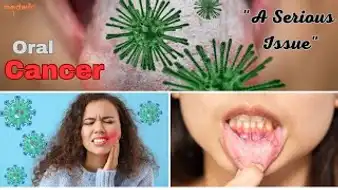
What steps are you currently taking or planning to take to reduce your risk of oral cancer based on the information provided, and how do you prioritize your oral health in your overall well-being?Symptoms of Oral Cancer:Difficulty swallowingPersistent sore throatMouth ulcers that won't healAffected Areas:Oral cancer can occur in the tongue, gums, lips, and other parts of the mouth.Risk Factors:Tobacco use (smoking and chewing)Heavy alcohol consumptionWeakened immune systemFamily history of cancerPreventative Measures:Quit smokingLimit alcohol consumptionMaintain a healthy immune systemRegular dental check-ups for early detectionImportance of Early Detection:Early detection is crucial for successful treatment of oral cancer.Encouragement for Action:If experiencing symptoms or concerned about risk, consult a healthcare provider promptly.Closing Message:Stay healthy and proactive in preventing and detecting oral cancer.Disclaimer:- This information is intended to supplement, not substitute, advice from your healthcare provider or doctor. It does not cover all possible uses, precautions, interactions, or side effects, and may not be appropriate for your specific healthcare needs. Always consult with your doctor or another qualified healthcare provider before modifying or discontinuing any prescribed portion of your healthcare plan or treatment, in order to determine the best course of therapy for you. Do not ignore or delay professional medical advice based on anything you have seen or read on Medwiki.Find us at:https://www.instagram.com/medwiki_/?h...https://twitter.com/medwiki_inchttps://www.facebook.com/medwiki.co.in/

Know Us
@2026 Medwiki Pvt Ltd. All Rights Reserved