


1:15
When a child falls sick with an infection, parents often feel anxious. Fever that does not settle, throat pain that worsens, persistentcough, or stomach discomfort can disrupt daily life for the entire family. In such situations, doctors may prescribeAzithromycin suspension as a dependable option to manage bacterial infections in children. This medicine has earned trust over the years because of its effectiveness, shorter treatment duration, and relatively good tolerance in young patients.This article exploresAzithromycin Oral Suspension IP uses in a clear and practical manner. It explains how the medicine works, when it is prescribed, its benefits, safety aspects, and what parents should know before giving it to their child. The aim is to provide useful information without medical jargon while maintaining accuracy and clarity.Understanding Azithromycin Oral Suspension IPAzithromycin belongs to a group of medicines known as macrolide antibiotics. These medicines work by stopping the growth of bacteria, allowing the body’s immune system to eliminate the infection effectively.The oral suspension form is specifically designed for children. It is easy to swallow, comes with accurate measuring tools, and is often flavored to improve acceptance. This makesazithromycin for kids a practical solution, especially when tablets are not suitable.Unlike many antibiotics that need to be taken multiple times a day, azithromycin is usually prescribed once daily. This simplifies dosing and improves treatment compliance.How Azithromycin Works in the BodyAzithromycin works by targeting the protein synthesis process of bacteria. Without the ability to produce essential proteins, bacteria cannot grow or multiply. As a result, the infection gradually subsides.It is important to understand that this medicine treats bacterial infections only. It does not work against viral illnesses such as common cold or flu. That is why doctors prescribe it only after evaluating symptoms and clinical findings.Common Azithromycin Oral Suspension IP Uses in ChildrenDoctors prescribeAzithromycin suspension for a wide range of bacterial infections in pediatric patients.Some of the most common uses include• Skin and soft tissue infections• Sinus infections in older children• Ear infections including otitis media• Certain intestinal infections caused by bacteria• Throat infections such as tonsillitis and pharyngitis• Chest infections likebronchitis and mild pneumoniaBecause of its broad coverage, azithromycin is often selected as anantibiotic for infections when children cannot tolerate penicillin or related medicines.Why Azithromycin Is Preferred for Pediatric UseSeveral factors make azithromycin a trusted choice amongpediatric antibiotics• Once daily dosing improves adherence• Good tissue penetration for faster relief• Suitable alternative for penicillin allergy• Lower risk of stomach upset when taken as advised• Shorter treatment course compared to many antibioticsThese advantages contribute to the growing use ofbenefits of azithromycin suspension in routine pediatric care.Benefits of Azithromycin Oral Suspension IPThe popularity of azithromycin is not accidental. It offers several benefits that matter to both doctors and parents• Generally well tolerated in children• Effective against a wide range of bacteria• Less frequent dosing reduces missed doses• Short treatment duration usually three to five daysThese benefits make it a reliable option forbacterial infection treatment for children, especially when timely recovery is essential.Dosage and Administration GuidelinesThe dosage ofAzithromycin suspension depends on the child’s age, weight, and type of infection. Doctors calculate the dose carefully to ensure safety and effectiveness.General guidelines include• Follow the doctor’s instructions strictly• Shake the bottle well before each use• Give the medicine at the same time every day• Complete the full course even if symptoms improve• Measure the dose using the provided cup or syringeNever adjust the dose or stop the medicine early without medical advice. Incomplete treatment can lead to antibiotic resistance.Taste and Acceptance in ChildrenOne common challenge with pediatric medicines is taste. Azithromycin suspension is usually flavored to make it easier for children to take. While some children may still resist initially, most accept it better than bitter syrups or crushed tablets.Parents can help by giving the medicine calmly and reassuringly, without forcing or rushing.Possible Side Effects to Be Aware OfLike all medicines, azithromycin may cause side effects in some children. Most are mild and temporary.Common side effects include• Loose stools• Mild stomach pain•Nausea or vomiting• Mild rash in rare casesSerious reactions are uncommon. However, parents should seek medical help if the child develops severe diarrhea, persistent vomiting, breathing difficulty, or unusual skin reactions.Safety Considerations for ParentsAzithromycin is safe when used correctly, but certain precautions are important• Store the suspension as directed• Use only when prescribed by a doctor• Inform the doctor about any known allergies• Avoid mixing with other medicines without advice• Do not use leftover antibiotic from previous illnessResponsible use ofantibiotics for infections helps protect children from unnecessary exposure and reduces resistance risks.Azithromycin and Antibiotic ResistanceOne of the major concerns today is antibiotic resistance. This occurs when bacteria adapt and become harder to treat. Overuse or misuse of antibiotics plays a key role.Parents should remember• Self medication should be avoided• Completing the full course is essential• Antibiotics should not be used for viral infectionsWhen used appropriately,Azithromycin Oral Suspension IP uses remain safe and effective.When Azithromycin May Not Be SuitableThere are situations where azithromycin may not be the best choice• Certain liver conditions• Viral infections like common cold• Known allergy to macrolide antibiotics• Infections requiring different antibiotic coverageDoctors evaluate these factors before prescribingazithromycin for kids.Supporting Recovery Along With MedicationMedicine works best when combined with proper care• Encourage rest• Ensure adequate fluid intake• Maintain a light and nutritious diet• Follow follow up appointments if advisedSuch supportive measures help speed up recovery duringbacterial infection treatment for children.ConclusionAzithromycin Oral Suspension IP has become an important medicine in pediatric care because of its effectiveness, ease of use, and reliable results. When prescribed appropriately, it helps manage a wide range of bacterial infections in children with minimal discomfort.Understanding its uses, benefits, dosage guidelines, and safety aspects empowers parents to use this medicine responsibly. With correct medical guidance,Azithromycin suspension continues to be a valuable tool in keeping children healthy and infection free. FollowMedwikifor more!Frequently Asked Questions1. What is Azithromycin Oral Suspension IP mainly used for in children?It is commonly used to treat bacterial infections affecting the throat, ears, chest, skin, and sinuses in children.2. Is azithromycin safe for young children?Yes, when prescribed by a doctor and given in the correct dose based on the child’s age and weight, it is generally considered safe.3. How long does azithromycin take to show improvement?Many children begin to feel better within two to three days of starting the medicine, but it is important to complete the full course as prescribed.4. Can azithromycin be given for cold or flu?No, azithromycin does not work against viral infections such as cold or flu and should only be used for confirmed or suspected bacterial illnesses.5. What should I do if my child vomits after taking the dose?If vomiting occurs shortly after giving the dose, consult the doctor for proper guidance before giving another dose.6. Are there long term side effects of azithromycin in children?Long term side effects are rare when the medicine is used occasionally, for the correct duration, and under medical supervision.7. Can azithromycin be used along with other medicines?Yes, it can be used along with other medicines if advised by a doctor. Always inform the doctor about any ongoing medications or supplements the child is taking.
1:15
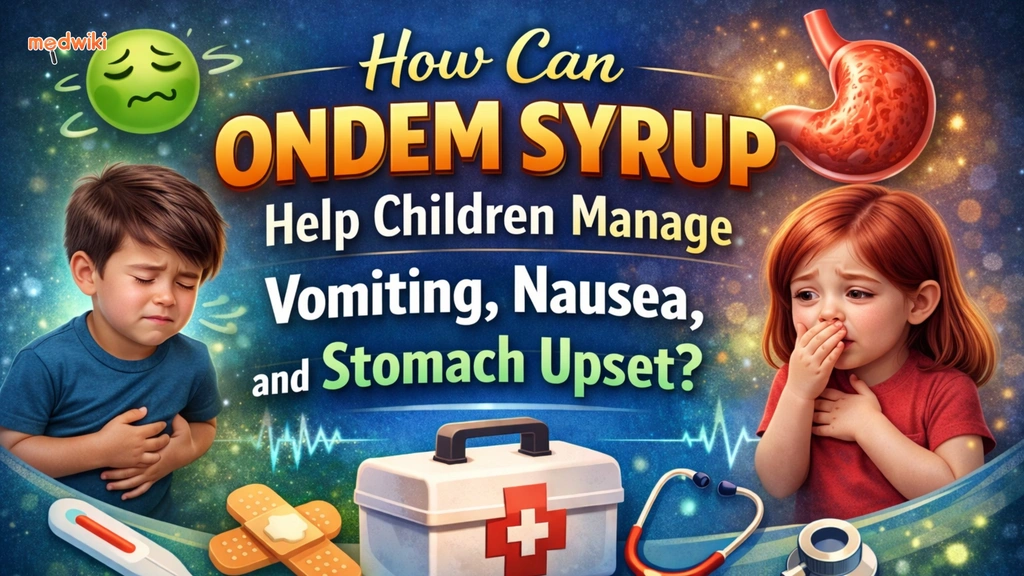
Vomiting, nausea, and stomach upset are common concerns in children and can be distressing not only for the child but also for parents. Sudden bouts of vomiting may be caused by viral infections, motion sickness, food intolerance, or digestive disturbances, while persistent nausea can affect a child’s appetite and hydration. In such cases,Ondem Syrup use in children has been recognized as a supportive option to help manage these symptoms safely.This blog takes a practical and detailed look atOndem Syrup for vomiting,Ondem Syrup for nausea, and its other applications in pediatric care. We will explore how it works, the benefits it offers, precautions, dosage guidance, and real-life usage experiences. The aim is to provide clear, relatable information that helps parents make informed decisions under medical guidance.Understanding Vomiting and Nausea in ChildrenVomiting is the forceful expulsion of stomach contents through the mouth, while nausea is the uncomfortable feeling that often precedes vomiting. Both can occur due to various causes, including:• Certain medications• Viral or bacterial gastroenteritis• Digestive disorders or acid reflux• Overeating or consumption of spoiled food•Motion sickness or travel-related disturbancesFor children, vomiting and nausea can be particularly concerning as they are at risk of dehydration, fatigue, and loss of essential nutrients. Prompt management is essential to ensure recovery and prevent complications.What Is Ondem Syrup and How Does It WorkOndem Syrup is an antiemetic syrup commonly prescribed to manage vomiting,nausea, and stomach upset in children. Its active ingredients work by blocking certain chemical signals in the brain that trigger nausea and vomiting.Because it targets the vomiting reflex centrally in the brain and also acts on the digestive system,Ondem antiemetic syrup helps children regain comfort without affecting other body functions significantly. It is considered safe for pediatric use when administered in the correct dosage.Unlike general home remedies, which may only soothe symptoms temporarily, Ondem Syrup works to prevent vomiting and reduce the sensation of nausea, making it easier for children to stay hydrated and maintain appetite.Common Ondem Syrup Uses in ChildrenPediatricians often recommend Ondem Syrup for a variety of conditions where vomiting or nausea is present. Some commonOndem Syrup uses in children include:• Management of nausea due to motion sickness• Relief from vomiting caused by viral gastroenteritis• Support during stomach upset from mild food poisoning• Reducing discomfort associated withacid reflux or gastritis• Prevention of vomiting before or after certain medical proceduresBy targeting the root causes of nausea and vomiting, Ondem Syrup provides both symptomatic relief and supportive care.Ondem Syrup Benefits for ChildrenThe benefits ofOndem Syrup go beyond simply stopping vomiting. Its use can positively impact a child’s overall recovery and comfort. KeyOndem Syrup benefits include:• Rapid relief from vomiting and nausea• Support for appetite and proper nutrition• Prevention of dehydration by allowing fluid intake• Safe pediatric formulation when used as directed• Reduction in stomach upset symptoms such as bloating or discomfortThese benefits make it a reliable option for parents who need a targeted and effective solution for children experiencing gastrointestinal discomfort.How Ondem Syrup Helps With Stomach UpsetStomach upset in children can range from mild digestive discomfort to repeated vomiting and nausea. Ondem Syrup works as a supportive remedy by:• Calming the stomach and digestive system• Allowing the child to retain fluids and nutrients• Reducing the signals that cause vomiting reflex• Minimizing discomfort from acid irritation or mild gastritisUsingOndem Syrup for stomach upset helps children resume normal activities faster and prevents prolonged distress.Dosage and Administration GuidelinesDosage ofOndem Syrup for vomiting or nausea in children is usually based on age and body weight. It is important to follow the doctor’s instructions carefully. General guidance includes:• Do not exceed the prescribed daily dose• Administer after meals if recommended by the doctor• Use a measuring spoon or syringe for accurate dosing• Continue the course as advised, even if symptoms improveParents should never adjust the dose on their own, as overdose or incorrect administration can lead to side effects.Safety and Possible Side EffectsOndem Syrup is generally well tolerated in children when used as directed. Mild side effects may include:• Headache• Mild constipation• Drowsiness or mild sleepiness• Occasional stomach discomfortSerious side effects are rare but may include allergic reactions such as rash, swelling, or difficulty breathing. In such cases, medical attention should be sought immediately.It is also important to inform the pediatrician about other medications the child may be taking to avoid interactions.Real Life ScenarioConsider a scenario where a child develops sudden vomiting after a family trip due to motion sickness. The child refuses to eat or drink, and the parents are worried about dehydration. Under medical guidance,Ondem Syrup for nausea is administered in the prescribed dose. Within a few hours, the child shows reduced nausea, is able to drink fluids, and gradually recovers without further vomiting.Similarly, children suffering from mild viral gastroenteritis often benefit from Ondem Syrup, as it helps prevent repeated vomiting episodes, allows them to maintain hydration, and supports faster recovery. These practical applications illustrate why it has become a trusted pediatric antiemetic syrup.Lifestyle Measures to Support RecoveryWhile Ondem Syrup helps control vomiting and nausea, parents can further support children by following some simple measures:• Avoid greasy, spicy, or heavy foods until recovery• Ensure adequate rest and a comfortable environment• Offer light, easily digestible meals such as porridge, rice, or soups• Encourage small, frequent sips of water or oral rehydration solution• Maintain good hygiene to prevent reinfection in cases of gastroenteritisCombining medication with these supportive measures enhances recovery and prevents complications.ConclusionVomiting, nausea, and stomach upset in children can be distressing but manageable with proper care.Ondem Syrup uses in children provide effective relief from these symptoms, support hydration and nutrition, and help children regain comfort and energy.As a reliableOndem antiemetic syrup, it works to prevent vomiting, reduce nausea, and ease stomach upset safely under medical supervision. Parents should always administer it according to pediatrician instructions and combine it with supportive lifestyle measures for best results.With consistent use, Ondem Syrup can be an essential tool in managing pediatric digestive discomfort and ensuring children recover quickly and comfortably. FollowMedwikifor more!Frequently Asked Questions1. What are the main Ondem Syrup uses in children?It is mainly used to manage vomiting, nausea, and stomach upset in children.2. Is Ondem Syrup safe for pediatric use?Yes, when administered according to the doctor’s instructions.3. How fast does Ondem Syrup work for vomiting?Many children show improvement within a few hours, but it depends on the cause and severity.4. Can Ondem Syrup prevent dehydration?Yes, by controlling vomiting and nausea, it helps children retain fluids and prevents dehydration.5. Does Ondem Syrup work for motion sickness in children?Yes, it is commonly used to manage nausea and vomiting caused by motion sickness.6. Are there any side effects of Ondem Syrup?Mild drowsiness, headache, or occasional stomach discomfort may occur. Severe allergic reactions are rare.7. Can Ondem Syrup be given with food?Yes, it can be given with or after meals as advised by the pediatrician for better tolerance.
1:15
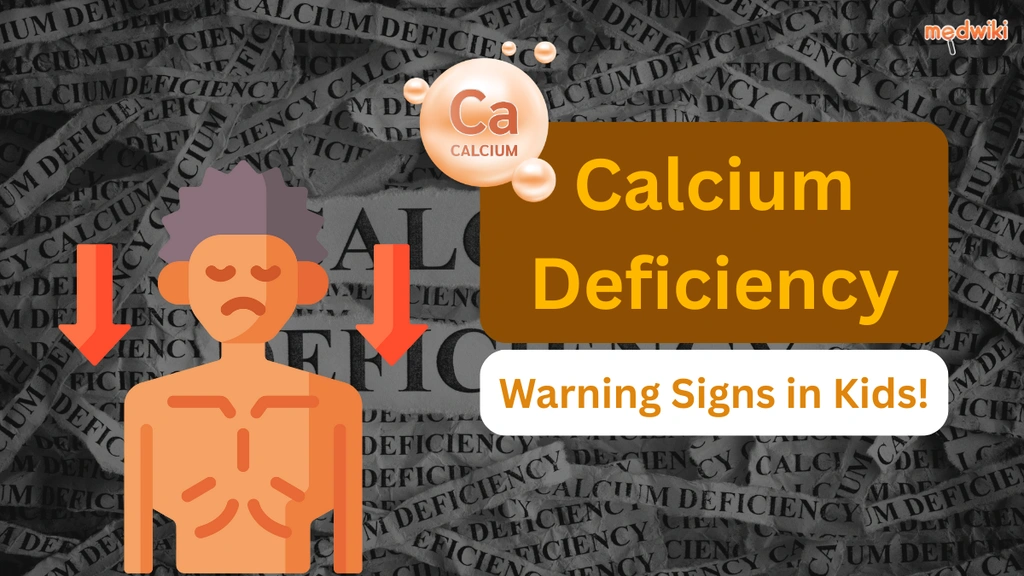
Today, we will talk about how to recognize calcium deficiency, also known as hypocalcemia, in children.What is hypocalcemiaWe all know that calcium is very important for our body. Hypocalcemia is a condition where the amount of calcium in the body becomes very low. Calcium not only makes our bones and teeth strong, but it also helps our nerves, muscles, and heart function properly.If a child’s body does not have enough calcium, they can become seriously unwell. If this problem is not treated in time, the child may develop bone and nerve-related issues in the future.Need more clarity about Hypocalcemia? Our trusted health assistant is ready to help – only on Ask Medwiki.Why calcium deficiency happens in childrenThere are several reasons why a child may have low calcium levels:1. Lack of calcium in dietIf a child is not getting proper nutrition, their calcium levels may drop. Giving babies milk powder-based formula or very diluted milk at home can reduce calcium levels. Also, giving cow’s milk, goat’s milk, or any other animal’s milk to a baby under one year of age can cause calcium deficiency. The best milk for babies is mother’s milk, followed by commercially available baby formula, as these contain the right amount of calcium and other essential nutrients.2. Lack of vitamin DThe body needs vitamin D to absorb calcium properly. Baby formula already contains vitamin D, but babies who are only breastfed may need additional vitamin D supplements as per the doctor’s advice.3. Hormone imbalanceOur body has certain hormones called parathyroid and calcitonin, which control calcium levels. If the body produces less of these hormones, calcium levels may also decrease.4. Certain medical conditionsSome newborns may develop a condition called neonatal hypocalcemia, which causes low calcium levels. Premature babies, babies with low birth weight, or babies whose mothers have diabetes are at a higher risk of developing hypocalcemia.Symptoms of calcium deficiency in childrenIf a child has low calcium levels, they may:Be very irritable or fussyVomit after drinking milk or refuse to drink milk properlySeem weak or tiredAppear slow and unusually quietExperience trembling or shaking in their hands and feetIn severe cases, have seizuresSome children with long-term calcium deficiency may also develop a condition called rickets, where their bones become weak and soft.So, what can we do to prevent calcium deficiency in children?Although it may not always be possible to completely prevent calcium deficiency, we can take some important steps:Give babies either mother’s milk or properly prepared baby formula.Do not give cow’s milk, goat’s milk, or any other animal’s milk to babies under one year old.If a baby is only being breastfed, consult a doctor about giving vitamin D supplements.If your child appears weak, is not drinking milk properly, cries a lot, or has seizures, do not delay—consult a doctor immediately.Source:- 1.https://pmc.ncbi.nlm.nih.gov/articles/PMC9526821/2. https://www.ncbi.nlm.nih.gov/books/NBK56060/3. https://www.ncbi.nlm.nih.gov/books/NBK549792/4. https://www.ncbi.nlm.nih.gov/books/NBK430912/5. https://pmc.ncbi.nlm.nih.gov/articles/PMC9311836/

1:15
How to Help Kids Gain Weight in a Healthy WaySome kids eat well but still don’t gain enough weight. And that’s okay! We just need to give their bodies more energy with the right foods.So, let’s make healthy eating fun and tasty!Power-Packed CarbsCarbohydrates are like fuel for your body. Just like cars need petrol, your body needs carbs to grow strong! The best foods for this are:Potatoes– You can mash them, bake them, or make crispy potato wedges! Add a little butter or cheese to make them extra yummy and filling.Rice– Rice is soft, easy to eat, and gives lots of energy! You can have it with dal, veggies, or even mix it with curd for a delicious meal.Bread– Whole wheat or multigrain bread is best! You can make sandwiches with cheese, peanut butter, or even banana slices for a sweet twist.Healthy FatsFats give you more energy in a tiny bite! But we need good fats, not unhealthy ones. Here’s how you can add them to your meals:Cheese– Sprinkle some grated cheese on sandwiches, whole wheat pasta, or even dal-rice! It makes food super tasty and creamy.Milk and Dairy– Instead of plain milk, try making porridge with milk! Add some dry fruits like almonds and cashews to make it extra healthy.Nuts and Nut Butters– Peanut butter or almond butter on toast is a great way to add extra energy. You can also eat soaked almonds or cashews in the morning.High-Calorie DrinksSometimes, drinking calories is easier than eating them! Here are some yummy drinks that help with weight gain:Milkshakes– Blend milk with bananas, mangoes, or strawberries for a delicious shake! You can also add honey for extra sweetness.Smoothies– Mix yogurt with fruits like bananas, apples, or dates. It’s a great snack between meals!Lassi– This is a cool drink made with curd, a little sugar or honey, and water. It keeps you full and helps you grow strong!Smart SnackingSometimes kids don’t feel like eating big meals. That’s okay! Small snacks can help too. Here are some quick, yummy snacks to keep energy levels up:Yogurt with fruits– A small bowl of curd with banana or apple pieces is tasty and healthy.Breadsticks with cheese dip– This is a fun snack that gives you both carbs and fats!Mini sandwiches– Make tiny sandwiches with peanut butter or cheese. Easy to eat and super filling!Don’t Forget VitaminsEating enough food is good, but your body also needs vitamins and minerals to use that food properly! Here’s how to get them:Fruits and Vegetables– Try to eat colorful fruits and veggies every day! They give you vitamins to help your body use all the food you eat.Eggs– Eggs have protein and vitamins to help you grow stronger. You can eat them boiled, scrambled, or as an omelet.Dry Fruits– Soaked almonds, raisins, and cashews give you iron and healthy fats to help with weight gain.Let’s Make Eating FunEat small meals often—don’t wait to feel too hungry!Try different foods so eating never gets boring.Drink enough water to help your body use all the food properly.Always eat with family—it makes food taste better!And that’s it, friends! Eating healthy doesn’t have to be boring. Just add some yummy foods to your meals, and you’ll be stronger in no time!Source:- 1. https://www.nhslanarkshire.scot.nhs.uk/services/weight-management-service/child-and-young-person-healthy-weight/2. https://www.uhs.nhs.uk/Media/UHS-website-2019/Patientinformation/Childhealth/Tips-to-help-your-child-maintain-a-healthy-weight-2532-PIL.pdf3. https://www.nhs.uk/live-well/healthy-weight/managing-your-weight/healthy-ways-to-gain-weight/4. https://www.nhs.uk/live-well/healthy-weight/childrens-weight/how-to-help-your-child-gain-weight/5. https://www.kentcht.nhs.uk/leaflet/how-to-fortify-food-for-children/
1:15
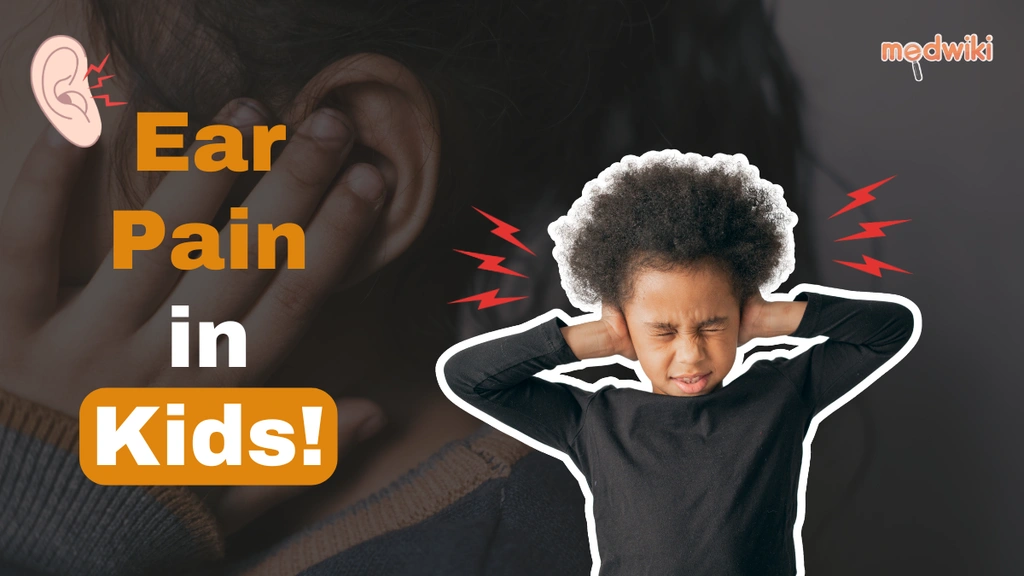
Ear pain is a common problem in young children. It can make them cranky and restless, and they may even have trouble sleeping. Sometimes, the pain is mild, but other times, it can be very strong!6 Simple Ways to Help Reduce Ear Pain in Kids.1. Try a Cold CompressA cold compress can help reduce pain and swelling in the ear. Take an ice pack and gently place it on the outer part of your child’s ear for about 20 minutes. This can provide relief and make them feel better.Still have questions about ear pain? Get trustworthy answers from verified sources on Ask Medwiki.2. Keep Your Child HydratedIf the ear pain is due to a cold or flu, drinking plenty of water can help. It thins out the mucus stuck inside the ear, making it easier to drain. This can reduce ear pressure and pain.3. Keep Their Head Elevated While SleepingWhen your child sleeps, place an extra pillow under their head. This helps any fluid trapped in the ear to drain out, reducing pressure and pain.4. Give a Gentle Ear and Neck MassageMassaging the area around the ear and down the neck can improve blood flow and reduce pain. But be gentle! Pressing too hard can increase the pain instead of relieving it.5. Encourage Rest and RelaxationToo much movement, running, or playing can make ear pain worse. Ask your child to rest and relax. When the body rests, the immune system gets stronger, which helps fight infections and reduces pain faster.6. Use Pain-Relief Medicine If NeededOver-the-counter medicines like Tylenol or ibuprofen can help reduce swelling and pain in the ear. But always check with a doctor before giving any medication to your child.When to See a Doctor?If the pain doesn’t improve, your child gets a high fever, or you notice any serious symptoms, consult a doctor immediately.By following these simple steps, you can help your child feel better quickly and ensure they stay happy and healthy!Source:- 1. https://www.webmd.com/cold-and-flu/ear-infection/ear-pain-home-treatment2. https://www.webmd.com/first-aid/treating-ear-infections-in-children3. https://www.nhsinform.scot/illnesses-and-conditions/ears-nose-and-throat/earache/4. https://www.nhs.uk/conditions/earache/5. https://newsinhealth.nih.gov/2018/10/pain-ear
1:15
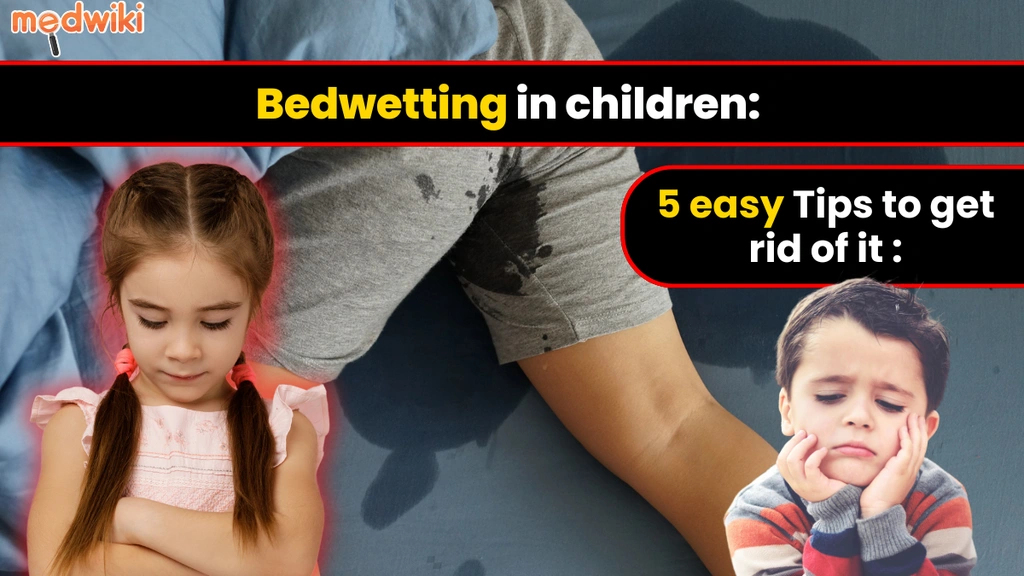
Bedwetting at night, also known as nocturnal enuresis, is a very common problem. This problem usually resolves over time, but some children may still wet the bed even at the age of 7 or older.Remember that bedwetting is not the child's fault, so never embarrass or scold the child. Provide full support and be patient to solve this problem.Here are 5 tips to help the child!Tip 1: Teach the child not to hold their urine for too long during the day.Tip 2: Ensure that your child goes to urinate during the day and before bedtime regularly.Tip 3: Give the child less liquids a few hours before bedtime.Tip 4: Praise the child and give a small gift in the morning if they do not wet the bed at night.Tip 5: Use an alarm so that the child can wake up mid night to go to the bathroom when the alarm sounds.With a little patience and support, this problem can be easily solved at home. If you still face difficulties, be sure to consult a doctor.Source:- https://medlineplus.gov/ency/patientinstructions/000703.htm

1:15
Are you worried about your child's weight? It's a common concern for many parents. Let's work together to address this issue in a healthy way.Follow these 2 Steps to achieve your goal:Step 1: Calculate Your Child's BMIA good starting point is to calculate your child's Body Mass Index (BMI). This simple calculation can provide insights into their weight status.https://medwiki.co.in/health-assessment-tools/fitness-calculators/body-mass-indexStep 2: Understand the ResultsOnce you have your child's BMI as a percentile ranking. You will know if your child is underweight or it is just that you think so.Results show that your child is underweight?Don't worry. There are effective strategies to help them gain weight healthily.Do's:Diet:Increase carbohydrates: Incorporate more starchy foods like potatoes and rice.Add healthy fats: Include avocados, nuts, and olive oil in their diet.Offer high-calorie drinks: Milkshakes and smoothies can be nutritious and calorie-dense.Encourage healthy eating habits: Involve your child in meal preparation and eat together as a family.Provide healthy snacks: Offer yogurt, fruits, and vegetables as snacks.Focus on essential vitamins: Ensure they get enough vitamins A, C, and D.Don't:Rely on junk food and sugary drinks, for weight gain. Use a nutritious diet always.Offer pre-meal drinks and snacks, as they can fill their tummies. This will impact their nutritious meal.Create a stressful mealtime environment. Let the children enjoy their mealtime.Encourage Physical ActivityRegular exercise is essential for overall health, including weight gain. Encourage your child to participate in activities that they enjoy. Also be a part of their physical activity routine.Remember:Patience is key: Gaining weight in a healthy way takes time.Consult a healthcare professional: If you have any concerns, consult a pediatrician for personalized advice.By following these guidelines, you can help them achieve a healthy weight in a safe and sustainable way.Source:-https://www.nhs.uk/live-well/healthy-weight/childrens-weight/how-to-help-your-child-gain-weight/
1:15
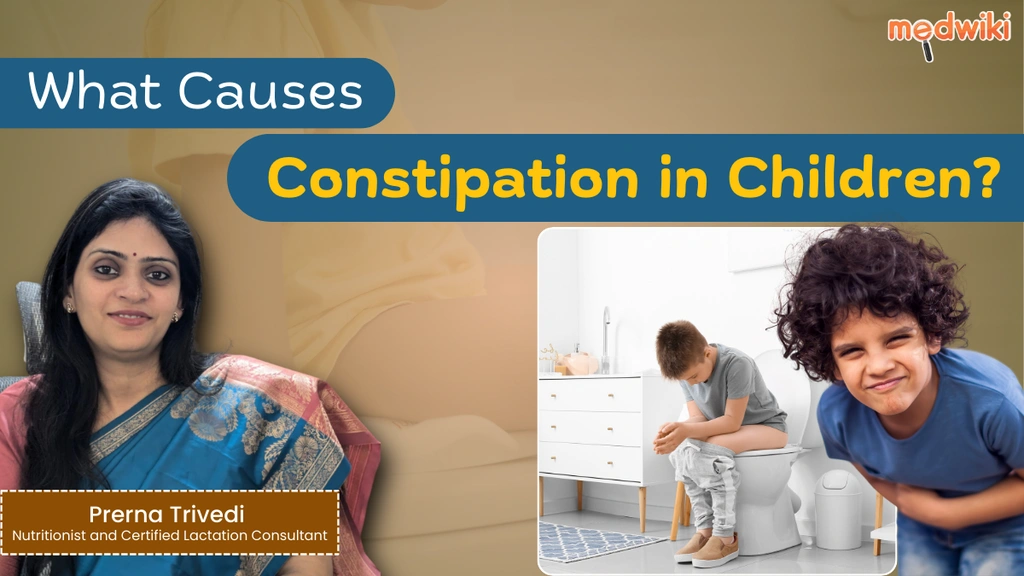
If you are also struggling with constipation in your little one? Watch this video to know all about the signs of constipation in kids, why do kids get constipated, and what you can do to help.Hey parents! Today, we're talking about a very common but often frustrating problem: constipation in babies and kids. Almost 1 in 20 doctor visits for kids are because of constipation, so you're definitely not alone if this is happening in your home.Still have questions about constipation ? Gettrustworthy answers from verified sources onAsk Medwiki.What are the Signs of Constipation in Kids?Recognizing the signs early can make a big difference:Babies might be very fussy and spit up more often.Difficulty passing stools that are hard and dry.Your child might have pain when passing stools.Stomach pain or bloating.For older kids, having fewer than three bowel movements a week.Why Do Kids Get Constipated?Constipation happens when stool stays in the colon for too long. During this time, the colon absorbs too much water, making stools hard and dry. Here are some reasons why this happens:Dietary Factors: Not eating enough fiber-rich foods such as fruits, vegetables, and whole grains can lead to constipation. Fiber helps in adding bulk to the stool, which makes it easier to pass.Low Fluid Intake: Water and other fluids help keep stools soft and easier to pass. Not drinking enough fluids causes dehydration, leading to hard and dry stools.Delaying Bathroom Trips: Kids sometimes avoid going to the bathroom because they’re too busy playing, don’t want to use public restrooms, or feel embarrassed. This can cause stool to sit longer in the colon, leading to constipation.Changes in Routine: Changes like starting solid foods for babies, moving from breast milk to formula, or even stressful events such as starting school can disrupt bowel habits and lead to constipation.Medical Conditions: Certain medical issues, such as hypothyroidism, irritable bowel syndrome (IBS), or medications that affect bowel muscles, can also be the cause of constipation.Emotional Stress: Emotional factors can play a role too. Stressful events, like moving to a new home or conflicts at school, can make kids hold in their stool, leading to constipation.Understanding the root cause of constipation can help in taking the right measures to ease it. If any of this sounds familiar, don't worry—I have some tips that can help!Source:- https://medlineplus.gov/ency/article/003125.htm
Shorts

What Are The Best Ways To Protect Your Baby From The Summer Sun?

Drx. Salony Priya
MBA (Pharmaceutical Management)

Harmful effects of too much screen time on young children!

Mrs. Prerna Trivedi
Nutritionist

Chandipura Virus!

Dr. Beauty Gupta
Doctor of Pharmacy

Travelling out!!Lets quickly pack all that I will need to feed my child.
Dr. Beauty Gupta
Doctor of Pharmacy

Know Us
@2026 Medwiki Pvt Ltd. All Rights Reserved