

1:15
Estrogen is one of the most important hormones in a woman's body. It supports reproductive health, bone strength, heart function, skin health, and emotional well-being. Whenlow estrogen levels develop, many parts of the body can be affected, leading to changes that may seem confusing or unexpected. Understanding these changes can help women recognize early warning signs and seek the right care.Many women experience hormonal changes during different stages of life, including puberty, pregnancy, breastfeeding, and menopause. However, estrogen levels can also drop because of medical conditions, excessive exercise, poor nutrition, or certain treatments. Recognizinglow estrogen early allows women to take steps that improve their health and quality of life before symptoms become more severe.What Is Estrogen and Why Does It Matter?Estrogen is a hormone mainly produced by the ovaries, although small amounts are made by the adrenal glands and fat tissue. It helps regulate the menstrual cycle and supports healthyreproductive organs. Beyond reproduction, estrogen also protects the bones, brain, skin, and cardiovascular system.Healthy estrogen levels contribute to better energy, emotional balance, and healthy skin. When estrogen drops, the body struggles to perform many of its normal functions. This is whylow estrogen symptoms can appear in many different ways, affecting both physical and emotional health.Women of all ages can experience hormonal changes. While menopause is the most common cause, younger women may also noticeestrogen low symptoms due to lifestyle factors or underlying medical conditions. Paying attention to these signs is the first step toward finding the right solution.Common Signs That Estrogen Levels Are DroppingThe symptoms of declining estrogen vary from one woman to another. Some women notice only mild discomfort, while others experience changes that interfere with daily life. Knowing the early signs can make treatment more effective.Some of the most commonsymptoms of low estrogen include changes in menstrual cycles, mood, sleep, and overall well-being.Here are some common signs to watch for:Irregular Periods that become lighter, heavier, or less predictable.Hot Flashes that create sudden feelings of warmth and sweating.Vaginal Dryness, which may cause discomfort during daily activities or intimacy.Mood swings, anxiety, or increased irritability.Difficulty sleeping and frequent nighttime waking.Reduced energy and trouble concentrating.Theselow estrogen symptoms may develop gradually or appear suddenly depending on the underlying cause. If several symptoms occur together, it is important to consult a healthcare professional for proper evaluation.What Causes Estrogen Levels to Fall?There are many reasons why estrogen production decreases. While aging is the most common factor, lifestyle habits and certain health conditions may also contribute. Understanding these causes helps women identify possible risk factors before symptoms worsen.Several medical and lifestyle factors may contribute tolow estrogen.Common causes include:Naturalmenopause and perimenopause.Surgical removal of the ovaries.Excessive physical exercise.Eating disorders or poor nutrition.Certain chemotherapy or radiation treatments.Autoimmune conditions affecting the ovaries.Identifying the cause oflow estrogen is essential because treatment depends on the underlying reason. A healthcare provider may recommend blood tests, a physical examination, and a review of medical history before suggesting the best approach.How Low Estrogen Affects the BodyEstrogen influences almost every organ system. When levels decrease, the effects extend beyond reproductive health. Many women notice physical, emotional, and cognitive changes that become more noticeable over time.One visible concern is thelow estrogen face, where the skin may appear thinner, drier, and less elastic. Reduced collagen production can make fine lines and dullness more noticeable. Some women also experience hair thinning and slower wound healing.Hormonal changes also affect the brain and nervous system. Mood swings, forgetfulness, anxiety, and difficulty concentrating are among theweird symptoms of low estrogen that many women do not immediately connect with hormone levels.Bone health is another major concern because estrogen helps maintain bone density. Long-term deficiency increases the risk of osteoporosis and fractures, especially after menopause. Addressinglow estrogen symptoms early can help reduce these long-term complications.Diagnosing Low EstrogenDiagnosing hormonal imbalance starts with understanding a woman's symptoms and medical history. A healthcare provider will ask about menstrual changes, family history, medications, and overall health before recommending tests.Doctors may perform blood tests to measure hormone levels along with thyroid function or other related markers. Since hormone levels naturally fluctuate, results are interpreted together with clinical symptoms rather than relying on one test alone.A complete evaluation also helps rule out other conditions that can mimicsymptoms of low estrogen, such as thyroid disorders or nutritional deficiencies. Early diagnosis allows women to explore appropriatelow estrogen treatment options before complications develop.Low Estrogen Treatment OptionsFinding the rightlow estrogen treatment depends on the cause of the hormone imbalance, a woman's age, and the severity of symptoms. Some women benefit from simple lifestyle improvements, while others may need medical care to restore hormone levels. A personalized approach often delivers the best long-term results.The good news is that several treatment options are available.Hormone Replacement Therapy (HRT) may be recommended for women with moderate to severe estrogen deficiency.Prescription estrogen medications can help reduceHot Flashes and improve daily comfort.Vaginal estrogen products may relieveVaginal Dryness with minimal absorption into the bloodstream.Calcium and vitamin D supplements may support stronger bones.Regular follow-up visits help monitor treatment progress and hormone levels.Doctors may recommend additional therapies based on underlying health conditions.Choosing the rightlow estrogen treatment should always be done with medical guidance. Every woman's health needs are different, and regular monitoring helps ensure treatment remains safe and effective.Lifestyle Changes That Support Healthy HormonesHealthy daily habits play a major role in maintaining hormone balance. Even small improvements in nutrition, exercise, and stress management can support overall well-being. Lifestyle changes may also reduce severalestrogen low symptoms over time.Simple habits can make a meaningful difference.Eat balanced meals with healthy fats, lean protein, and fiber.Exercise regularly without excessive training.Maintain a healthy body weight.Get seven to eight hours of quality sleep every night.Practice stress reduction through yoga, meditation, or deep breathing.Limit smoking and excessive alcohol consumption.These lifestyle changes work best alongside professional medical advice. They may not replacelow estrogen treatment, but they often improve overall health and reduce the impact of hormonal changes.Foods That May Help Support Estrogen LevelsAlthough food cannot completely replace medical treatment, a nutritious diet supports hormone production and overall health. Some plant-based foods contain phytoestrogens, which may have mild estrogen-like effects in the body. A balanced diet also provides nutrients needed for healthy hormone function.Including a variety of nutritious foods is beneficial.Soy products such as tofu and edamame.Flaxseeds and sesame seeds.Lentils and chickpeas.Fresh fruits and leafy green vegetables.Nuts and healthy oils.Whole grains rich in fiber.A healthy eating plan supports overall wellness while helping managelow estrogen symptoms. Women with ongoing concerns should discuss dietary choices with a healthcare provider or registered dietitian.Benefits of Early Diagnosis and TreatmentRecognizing hormone imbalance early can prevent many long-term health problems. Women who receive timely care often experience better symptom control and improved quality of life. Early action also helps reduce complications linked to prolonged estrogen deficiency.Seeking medical attention offers several advantages.Better control ofIrregular Periods before they become more severe.Reduced frequency ofHot Flashes that interfere with sleep and daily life.Relief from persistentVaginal Dryness that affects comfort and intimacy.Improved bone health and lower fracture risk.Better emotional well-being and concentration.Healthier skin that may reduce the appearance of alow estrogen face.Early treatment gives women more options and better outcomes. Regular checkups also help doctors adjust care plans as hormone levels change over time.Possible Side Effects and Important ConsiderationsEvery medical treatment has benefits and possible risks. While many women respond well to therapy, it is important to understand potential side effects before starting any medication. A healthcare provider can explain which option is most appropriate based on personal medical history.Being informed helps women make confident healthcare decisions.Mild breast tenderness may occur during treatment.Some women experience temporary bloating.Headaches may develop in the early stages of therapy.Spotting or light bleeding can happen with hormonal treatment.Regular health screenings are important duringHormone Replacement Therapy (HRT).Treatment plans should always be reviewed by a qualified healthcare professional.Most side effects improve as the body adjusts to treatment. Women should report any unusual symptoms promptly so their provider can make necessary changes to the treatment plan.ConclusionLiving withlow estrogen can affect many aspects of physical and emotional health, but recognizing the warning signs early makes a significant difference. Symptoms such asIrregular Periods,Hot Flashes, andVaginal Dryness should never be ignored when they continue over time.Many women also notice changes such as alow estrogen face, mood shifts, or evenweird symptoms of low estrogen that seem unrelated at first. Proper diagnosis and the rightlow estrogen treatment, includingHormone Replacement Therapy (HRT) when appropriate, can help restore balance and improve overall well-being.If you experience ongoingsymptoms of low estrogen or otherestrogen low symptoms, consult a qualified healthcare professional for evaluation. Early care, healthy lifestyle habits, and regular follow-up can help you maintain better hormonal health and enjoy a higher quality of life.FollowMedwikifor more!Frequently Asked Questions1. What are the first signs of low estrogen?The firstlow estrogen symptoms often includeIrregular Periods, mood changes, trouble sleeping, fatigue, and occasionalHot Flashes. Some women may also notice dry skin or mildvaginal dryness.2. Can young women have low estrogen?Yes. Young women can developlow estrogen because of excessive exercise, eating disorders, certain medical conditions, chemotherapy, or problems affecting the ovaries. A healthcare provider can determine the underlying cause.3. Does low estrogen affect the skin?Yes. Alow estrogen face may appear drier, thinner, and less elastic because estrogen helps maintain collagen production and skin hydration. Fine lines may also become more noticeable.4. What are some weird symptoms of low estrogen?Someweird symptoms of low estrogen include brain fog, difficulty concentrating, joint discomfort, dry eyes, memory problems, and unexpected mood changes. These symptoms are often overlooked because they can resemble other health conditions.5. What is the best low estrogen treatment?The bestlow estrogen treatment depends on the cause and severity of the condition. Some women benefit from lifestyle changes, while others may requireHormone Replacement Therapy (HRT) or other prescribed medications under medical supervision.6. Can diet improve low estrogen levels?A balanced diet that includes soy products, flaxseeds, legumes, whole grains, fruits, and vegetables supports overall hormone health. While food alone cannot curelow estrogen, it can complement medical treatment and healthy lifestyle habits.7. When should I see a doctor for low estrogen?You should consult a healthcare provider if you have persistentsymptoms of low estrogen, includingIrregular Periods,Hot Flashes,Vaginal Dryness, or other ongoing changes that affect your daily life. Early diagnosis can help prevent long-term complications.
1:15
PMS vs PMDD is a topic that often creates confusion because both conditions occur before menstruation and share several similar symptoms. However, the intensity, emotional impact, and effect on daily life are very different. Understanding these differences can help women seek the right support and treatment.Premenstrual Syndrome (PMS) affects many women during the days leading up to their period. In contrast,Premenstrual Dysphoric Disorder (PMDD) is a more severe condition that can significantly interfere with work, relationships, and emotional well-being. Knowing how to tell them apart is an important step toward better health.Understanding the BasicsEvery month, the body goes throughHormonal Changes Before Period that prepare it for menstruation. These hormonal fluctuations can influence both physical and emotional health. While many women experience mild discomfort, others develop symptoms that are more challenging.Women's Hormonal Health plays a key role in how the body responds to these changes. Factors such as genetics, stress, lifestyle, and overall health can affect symptom severity. Understanding these natural changes helps explain why symptoms vary from one person to another.Although PMS and PMDD occur during the same phase of the menstrual cycle, they differ in intensity and impact. Recognizing these differences early allows women to manage symptoms more effectively and improve their quality of life.Common Symptoms to Watch ForBoth conditions share several physical and emotional signs, making them difficult to distinguish without careful observation. Keeping track of monthly patterns can provide valuable insight.Some commonPMS Symptoms include:Bloating and abdominal discomfortBreast tendernessMild headachesFood cravingsFatigueTemporary mood changesThese symptoms usually improve once menstruation begins. If symptoms become overwhelming or interfere with daily activities, further evaluation may be necessary.Key Differences Between the Two ConditionsAlthough both conditions develop before menstruation, their emotional effects are quite different.Menstrual Mood Swings are common with PMS, but PMDD often causes much more intense emotional distress that can disrupt normal life.Here are some differences that may help distinguish them:PMS symptoms are generally mild to moderate.PMDD causes severe emotional distress.PMS rarely affects daily responsibilities.PMDD may interfere with work or relationships.Mood symptoms improve after menstruation starts.PMDD often requires professional treatment.Understanding these distinctions helps women recognize when symptoms go beyond typical premenstrual discomfort and require medical attention.Why Some Women Experience More Severe SymptomsNot every woman responds to hormonal changes in the same way. Genetics, stress levels, existing mental health conditions, and lifestyle habits all influence symptom severity. Researchers believe that women with PMDD may have an increased sensitivity to normal hormonal fluctuations.SeveralMenstrual Cycle Disorders can also contribute to changes in menstrual health and emotional well-being. Maintaining a healthy diet, exercising regularly, managing stress, and getting enough sleep may help reduce symptom severity for many women.AlthoughSevere Premenstrual Symptoms can feel overwhelming, they are treatable. Speaking with a healthcare provider can help identify the underlying cause and create a personalized treatment plan that supports both physical and emotional health.Treatment Options and Lifestyle ChangesThe treatment for PMS and PMDD depends on the severity of symptoms. While mild cases ofPremenstrual Syndrome (PMS) may improve with healthy lifestyle habits,Premenstrual Dysphoric Disorder (PMDD) often requires medical treatment and ongoing support. A healthcare provider can recommend the most suitable approach based on your symptoms and medical history.The following strategies may help manage symptoms:Eat a balanced diet rich in fruits and vegetables.Exercise for at least 30 minutes most days.Get enough sleep every night.Reduce caffeine and alcohol intake.Practice stress management through yoga or meditation.Follow your doctor's treatment plan if symptoms are severe.Healthy daily habits supportWomen's Hormonal Health and may reduce the intensity of monthly symptoms. However, women with PMDD should always seek professional medical advice for proper diagnosis and treatment.When to Seek Medical AdviceMany women experienceHormonal Changes Before Period, but severe emotional or physical symptoms should never be ignored. If your symptoms interfere with work, school, relationships, or daily responsibilities, it is important to consult a healthcare professional.You should seek medical attention if you notice:Persistent depression before your periodExtreme anxiety or panic attacksSevere irritability or angerDifficulty completing daily tasksThoughts of self-harm or hopelessnessSymptoms that return every menstrual cycleEarly diagnosis helps distinguishPMS vs PMDD and allows healthcare providers to recommend the most effective treatment. Keeping a symptom diary for at least two menstrual cycles can also support an accurate diagnosis.Tips for Managing Symptoms Every MonthManaging premenstrual symptoms requires consistency and self-care. Small lifestyle improvements can make a noticeable difference in reducing discomfort and improving emotional balance throughout the menstrual cycle.Helpful monthly habits include:Track your menstrual cycle regularly.Stay physically active.Drink plenty of water.Eat smaller, nutritious meals.Practice relaxation techniques daily.Stay connected with supportive family and friends.These healthy routines can help reduceMenstrual Mood Swings and improve overall well-being. They also support long-term reproductive and emotional health.Myths and Facts About PMS and PMDDMany myths prevent women from seeking the care they need. Understanding the facts helps reduce stigma and encourages early treatment.Common facts include:PMS and PMDD are real medical conditions.PMDD is more severe than PMS.Symptoms are not "just in your head."Lifestyle changes can help many women.Medical treatment may be necessary for PMDD.Early diagnosis improves symptom management.Learning the truth about these conditions empowers women to take charge of their health. Reliable medical guidance is always the best source of information.Living a Healthier LifeManaging premenstrual conditions is possible with the right combination of healthy habits, medical care, and emotional support. Every woman's experience is unique, so treatment should always be personalized.Whether you experience mildPMS Symptoms or moreSevere Premenstrual Symptoms, understanding your body is the first step toward better health. Do not hesitate to discuss your concerns with a healthcare provider if symptoms become difficult to manage.ConclusionUnderstandingPMS vs PMDD helps women recognize when monthly symptoms are normal and when they require medical attention. While PMS usually causes mild physical and emotional discomfort, PMDD has a much greater impact on daily life and emotional well-being.Tracking symptoms, maintaining a healthy lifestyle, and seeking timely medical advice can improve symptom management. SupportingWomen's Hormonal Health through good nutrition, exercise, stress management, and regular checkups also promotes overall wellness.Most importantly, remember that effective treatments are available. If monthly symptoms affect your quality of life, speaking with a healthcare professional can help you find the right care and regain control of your health.FollowMedwikifor more!Frequently Asked Questions1. What is the main difference between PMS and PMDD?The main difference is severity.Premenstrual Syndrome (PMS) usually causes mild to moderate symptoms, whilePremenstrual Dysphoric Disorder (PMDD) causes severe emotional and physical symptoms that interfere with daily life.2. Can PMS turn into PMDD?PMS does not directly turn into PMDD. However, some women may develop more severe symptoms over time and should be evaluated by a healthcare provider.3. What causes PMDD?The exact cause is unknown, but experts believe PMDD is linked to an increased sensitivity to normal hormonal fluctuations during the menstrual cycle.4. How is PMDD diagnosed?Doctors usually diagnose PMDD by reviewing symptoms over at least two menstrual cycles and ruling out other medical or mental health conditions.5. Can lifestyle changes improve PMS symptoms?Yes. Regular exercise, a healthy diet, quality sleep, stress management, and limiting caffeine may reducePMS Symptoms for many women.6. Is medication necessary for PMDD?Some women with PMDD benefit from medications such as antidepressants or hormonal treatments. The appropriate treatment depends on symptom severity and should be decided by a healthcare provider.7. When should I see a doctor?You should seek medical advice if your symptoms are severe, affect your work or relationships, return every month, or include feelings of depression, anxiety, or hopelessness.

1:15
Taking care of your sexual health is an important part of overall wellness. AnSTI test helps identify infections early, even when no noticeable symptoms are present. Early detection allows individuals to receive timely treatment and reduce the risk of complications.ManySexually Transmitted Infections (STIs) can remain unnoticed for weeks, months, or even years. This is why routineSexual Health Screening is recommended for sexually active individuals. Regular testing supports better health outcomes and helps prevent the spread of infections.Understanding the importance of anSTI test can empower people to make informed decisions about their health. Whether through clinics, healthcare providers, orAt-Home STI Testing options, getting tested is a responsible step toward maintaining sexual wellness.Why Early Detection MattersManySexually Transmitted Infections (STIs) do not cause immediate signs or discomfort. A person may unknowingly carry an infection and transmit it to others without realizing it.AnSTI test helps detect infections before serious health problems develop. Early diagnosis often leads to more effective treatment and reduces the chances of long-term complications.RoutineSexual Health Screening also contributes to better public health by identifying infections early and encouraging timely medical care. This makes testing an essential part ofPreventive Sexual Healthcare.Common Infections Detected Through TestingHealthcare providers use different tests to identify a variety of infections. These screenings are designed to detect common bacterial, viral, and parasitic conditions.Understanding what anSTI test can detect helps individuals make informed decisions about their healthcare needs.ChlamydiaGonorrheaSyphilisHIVHerpesHepatitis infectionsMany clinics offer astd panel test that checks for several infections at once. This comprehensive approach can simplify testing and provide a clearer picture of sexual health.Signs That You May Need TestingSome infections cause noticeable symptoms, while others remain silent. Knowing when to seek testing is important for early intervention.Recognizing potentialSTI Symptoms can encourage people to seek medical advice promptly.Pain during urinationUnusual dischargeGenital soresItching or irritationPelvic painSwollen lymph nodesNot everyone experiences symptoms. Even without obviousSTD Symptoms, regularSexual Health Screening may still be necessary based on lifestyle and risk factors.Understanding Different Types of STI TestsThere are several methods used to diagnose infections. The type of test depends on the suspected infection and individual circumstances.Blood tests are commonly used forHIV Testing and certain other infections. Urine samples may be used for chlamydia andGonorrhea Testing.Swab samples from affected areas can also help diagnose specific infections. Healthcare providers determine the most appropriateSTI test based on symptoms, exposure history, and personal risk factors.Who Should Get Tested Regularly?Anyone who is sexually active can benefit from routine testing. Regular screening helps detect infections that may otherwise go unnoticed.The frequency of anSTI test often depends on an individual'sSTI Risk Assessment and lifestyle factors.People with new partnersIndividuals with multiple partnersPregnant womenMen who have sex with menIndividuals with previous infectionsPeople sharing injection equipmentHealthcare providers often recommend routineSexual Health Screening as part ofPreventive Sexual Healthcare for individuals at higher risk.Benefits of Confidential Testing ServicesPrivacy concerns can discourage some people from seeking testing. Fortunately, many healthcare providers offer secure and respectful services.Confidential STI Testing helps individuals feel comfortable discussing sensitive health concerns and obtaining the care they need.Protects personal informationEncourages honest communicationReduces anxietySupports timely treatmentIncreases testing participationPromotes responsible health decisionsAccess toConfidential STI Testing can make healthcare more approachable and encourage regular screening among sexually active individuals.The Role of Partner TestingTesting is not only beneficial for individuals but also for their partners. Open communication about testing helps strengthen trust and safety in relationships.Partner Testing allows both individuals to understand their health status and make informed decisions together.Encourages transparencyReduces infection transmissionSupports early treatmentPromotes shared responsibilityImproves relationship confidenceEnhances sexual health awarenessCombiningPartner Testing with regularSTI Prevention practices can significantly reduce the spread of infections and support healthier relationships.At-Home Testing OptionsAdvances in healthcare have madeAt-Home STI Testing more accessible than ever. These kits allow individuals to collect samples privately and send them to a laboratory for analysis.Many people appreciate the convenience and privacy offered byAt-Home STI Testing, especially when access to healthcare facilities is limited.Convenient sample collectionIncreased privacyReduced travel requirementsFlexible schedulingEasy access to resultsEncourages routine screeningWhile home testing can be useful, follow-up care from a healthcare provider may still be necessary if results are positive.Free Testing and Community ResourcesMany organizations provideFree STD Testing services to improve public health and increase access to care. These programs help remove financial barriers that might prevent people from getting tested.Community clinics and public health programs often combineFree Health Screening opportunities with education and counseling services.Affordable healthcare accessCommunity support servicesEducational resourcesCounseling opportunitiesEarly infection detectionIncreased public awarenessSeekingFree STD Testing can be an excellent option for individuals who need affordable access to regular sexual health services.Preventing Future InfectionsTesting is only one aspect of maintaining sexual wellness. Preventive measures are equally important for long-term health.AnSTI test provides valuable information, but consistentSTI Prevention practices help reduce future risks.Use protection consistentlyLimit high-risk behaviorsCommunicate with partnersAttend routine screeningsFollow treatment recommendationsStay informed about sexual healthCombining regular testing with healthy habits supportsPreventive Sexual Healthcare and helps maintain overall well-being.ConclusionAnSTI test plays a vital role in protecting both individual and community health. Early detection allows infections to be identified and treated before they lead to serious complications.RegularSexual Health Screening,Partner Testing, and awareness ofSTI Symptoms contribute to better health outcomes. These practices help individuals take control of their sexual wellness and make informed healthcare decisions.Whether through clinics,Confidential STI Testing,Free STD Testing, orAt-Home STI Testing, making testing a routine part of healthcare supports safer and healthier lives.FollowMedwikifor more!Frequently Asked Questions1. What is an STI test?AnSTI test is a medical screening used to detectSexually Transmitted Infections (STIs). Depending on the infection being tested for, samples may include blood, urine, or swabs.2. How often should I get tested?Testing frequency depends on your sexual activity, health history, andSTI Risk Assessment. Healthcare providers can recommend an appropriate schedule based on individual circumstances.3. What is included in a std panel test?Astd panel test may include screenings for chlamydia, gonorrhea, syphilis, HIV, and other infections. The exact tests vary by provider and location.4. Is HIV Testing included in routine STI screening?Many clinics includeHIV Testing as part of comprehensiveSexual Health Screening, although it may also be offered separately depending on the healthcare setting.5. Are free testing services reliable?Yes. Many public health programs and clinics offeringFree STD Testing follow established medical standards and provide accurate testing services.6. Can At-Home STI Testing replace clinic visits?At-Home STI Testing can be a convenient option for many individuals. However, positive results or ongoing symptoms may require additional evaluation by a healthcare provider.7. What should I do if my test result is positive?If anSTI test returns a positive result, follow your healthcare provider's treatment recommendations, inform relevant partners, and considerPartner Testing to help prevent further transmission.
1:15
VG-3 Vaginal Tablet is a product commonly used to support women's intimate health and overall vaginal well-being. It is often recommended for maintaining cleanliness, comfort, and healthy vaginal conditions. Many women use it as part of their routineVaginal Care practices to support better hygiene and comfort.Understanding the benefits and proper usage ofVG-3 Vaginal Tablet can help women make informed decisions about their personal health. It is frequently associated with maintainingFeminine Hygiene and promoting a healthy environment in the intimate area.Women searching for information aboutvg3 tablet uses and side effects often want to understand how the tablet works, its benefits, and possible precautions. Learning about its role inWomen's Reproductive Health can help ensure safe and effective use.What Is VG-3 Vaginal Tablet?VG-3 Vaginal Tablet is designed to support vaginal health and cleanliness. It is commonly used as anAyurvedic Vaginal Tablet that helps maintain the natural balance of the vaginal environment. Many women include it in their regularIntimate Area Care routine.The tablet is often used to promoteVaginal Cleansing and support overall vaginal comfort. It may help reduce discomfort caused by poor hygiene or environmental factors. Maintaining properFeminine Wellness is one of the key reasons women consider using such products.Many people searching forvg3 tablet uses and side effects in hindi are looking for easy-to-understand information about its purpose. Proper guidance from a healthcare professional is always recommended before use.How Does VG-3 Vaginal Tablet Work?VG-3 Vaginal Tablet works by supporting a healthy vaginal environment and helping maintain cleanliness. It is commonly used as part of a comprehensiveVaginal Care routine.Its effectiveness depends on proper usage and individual health conditions.Supportsvaginal cleanlinessHelps maintain natural balancePromotes comfort in the intimate areaAssists in routine hygiene careSupports healthy vaginal conditionsEncourages better intimate wellnessMany women use products likeAyurvedic Vaginal Tablet formulations to support everyday vaginal health. Proper hygiene habits can enhance the benefits of such products and contribute to long-termFeminine Wellness.Common Uses of VG-3 Vaginal TabletThe primary purpose ofVG-3 Vaginal Tablet is to support vaginal hygiene and overall comfort. It may be recommended in situations where maintaining cleanliness and vaginal health is important.Understanding its common applications can help users make informed decisions.Routine vaginal hygiene supportMaintaining intimate cleanlinessSupporting healthy vaginal conditionsAssisting withVaginal CleansingPromotingIntimate Hygiene for WomenSupporting daily feminine careWomen often explorevg3 tablet uses and side effects before starting use. Following proper instructions and maintaining regularIntimate Area Care can help maximize potential benefits.Benefits for Vaginal HealthUsingVG-3 Vaginal Tablet may offer several benefits when incorporated into a healthy hygiene routine. It can contribute to maintaining comfort and cleanliness in the intimate area.Good vaginal health supports confidence and daily well-being. RegularVaginal Care practices can also help maintain comfort during daily activities. Many women consider these products as part of their broaderFeminine Hygiene routine.Support forWomen's Reproductive Health often begins with proper hygiene and self-care habits. Consistent attention to intimate health can contribute to better overall wellness and comfort.Role in Vaginal Tightening and Tissue SupportMany women are interested in solutions related toVaginal Tightening Treatment and maintaining vaginal strength. Products such asVG-3 Vaginal Tablet are sometimes discussed in relation to vaginal wellness and support.Maintaining healthy tissue is an important part of intimate care.SupportsVaginal ElasticityHelps maintain comfortEncourages tissue healthSupports feminine confidenceComplements healthy lifestyle habitsPromotes intimate wellnessHealthyVaginal Tissue Firmness is influenced by multiple factors, including age, hormonal balance, and overall health. Products used alongside proper self-care may contribute to ongoingFeminine Wellness.Importance After ChildbirthMany women focus onPost-Delivery Vaginal Care after childbirth. This period often requires extra attention to hygiene, recovery, and overall vaginal health.Proper care can support comfort during the recovery phase.Maintain cleanlinessSupport healing routinesEncourage healthy hygiene habitsImprove comfort levelsSupport vaginal wellnessPromote confidence during recoveryGoodPost-Delivery Vaginal Care involves following medical advice and maintaining proper hygiene practices. Products used under professional guidance may help support comfort and recovery.How to Use VG-3 Vaginal Tablet ProperlyCorrect use ofVG-3 Vaginal Tablet is important for achieving the intended benefits. Following the instructions provided by a healthcare professional ensures safer and more effective use.Proper application helps support vaginal health and hygiene.Wash hands before useFollow dosage instructionsUse at the recommended timeMaintain cleanlinessStore properlyComplete the advised courseWomen researchingvg3 tablet uses and side effects in hindi should always verify information through reliable medical sources. Proper use is essential for maintainingIntimate Hygiene for Women and overall well-being.Possible Side EffectsLike many healthcare products,VG-3 Vaginal Tablet may cause side effects in some individuals. Most users tolerate it well, but reactions can vary.Being aware of potential effects is important before use.Mild irritationTemporary discomfortItchingSensitivity reactionsRednessUnusual dischargeWomen searching forvg3 tablet uses and side effects should understand that side effects may differ from person to person. Consulting a healthcare professional is recommended if symptoms persist or worsen.Tips for Better Feminine HygieneMaintaining properFeminine Hygiene is essential for long-term vaginal health and comfort. Good habits can reduce discomfort and support overall wellness.Simple lifestyle practices can make a significant difference.Stay clean and dryWear breathable clothingMaintain proper hygiene routinesDrink adequate waterFollow healthy dietary habitsSeek medical advice when neededConsistentIntimate Hygiene for Women supports better vaginal health and comfort. Regular self-care habits can also contribute to strongerWomen's Reproductive Health over time.Supporting Long-Term Vaginal WellnessLong-term vaginal health depends on a combination of hygiene, lifestyle, and proper care. Products such asVG-3 Vaginal Tablet may play a supportive role when used appropriately.A balanced approach helps maintain comfort and confidence.Prioritize hygieneFollow medical guidanceStay physically activeEat nutritious foodsMonitor changes in healthPractice self-careMany women interested inVaginal Rejuvenation also focus on healthy lifestyle habits. SupportingVaginal Elasticity and overall comfort often requires consistent attention to wellness and preventive care.ConclusionVG-3 Vaginal Tablet is commonly used to support vaginal hygiene, comfort, and overall intimate wellness. When used correctly, it may contribute to betterVaginal Care and personal hygiene practices.Women researchingvg3 tablet uses and side effects should understand both the benefits and possible precautions associated with the product. Professional guidance is always recommended before starting any new healthcare product.Maintaining properFeminine Hygiene, supportingWomen's Reproductive Health, and practicing healthy self-care habits can help improve long-term vaginal wellness. Consistent care remains the foundation of overall feminine health.FollowMedwikifor more!Frequently Asked Questions1. What is the VG-3 Vaginal Tablet used for?VG-3 Vaginal Tablet is commonly used to support vaginal hygiene, cleanliness, and overall intimate health. It is often included in routines focused onVaginal Care and feminine wellness.2. Is VG-3 Vaginal Tablet an Ayurvedic product?Yes, it is often described as anAyurvedic Vaginal Tablet that may help support vaginal cleanliness and comfort when used as directed.3. What are the common vg3 tablet uses and side effects?Common uses include maintaining vaginal hygiene and supporting intimate wellness. Possible side effects may include mild irritation, itching, redness, or temporary discomfort.4. Can it be used for Vaginal Tightening Treatment?Some women consider it as part of their overallVaginal Tightening Treatment routine. However, results may vary, and professional medical advice is recommended.5. Is it useful for Post-Delivery Vaginal Care?Many women focus onPost-Delivery Vaginal Care after childbirth. A healthcare provider can determine whether this product is suitable for individual recovery needs.6. Does it help with Vaginal Elasticity and tissue support?MaintainingVaginal Elasticity andVaginal Tissue Firmness depends on several factors, including overall health and lifestyle. Proper care may help support vaginal wellness.7. Where can I find vg3 tablet uses and side effects in hindi?Information regardingvg3 tablet uses and side effects in Hindi can be found through trusted healthcare websites, medical professionals, and educational health resources in Hindi.
1:15
Endometriosis is a chronic condition that affects millions of women worldwide. It occurs when tissue similar to the lining of the uterus grows outside the uterus, leading to pain,inflammation, and other health complications. The condition can affect daily activities, reproductive health, and overall quality of life.Many women experience symptoms for years before receiving a proper diagnosis. Since the signs can vary from person to person, understanding the condition is important for early detection and effective management. Increased awareness can help individuals seek medical attention when symptoms first appear.Healthcare professionals continue to study this condition to improve diagnosis and treatment options. Learning about risk factors, symptoms, and available therapies can help patients make informed decisions about their health and well-being.Understanding the ConditionMany people askwhat endometriosis is when they first hear the term. It is a medical condition in which tissue similar to the uterine lining grows outside the uterus. These growths may appear on the ovaries, fallopian tubes, pelvic lining, and other nearby structures.To better understand the disorder, people often search forthe meaning of endometriosis and how it affects the body. The misplaced tissue behaves similarly to uterine lining tissue, responding to hormonal changes during themenstrual cycle.Some individuals also look forendometriosis meaning in hindi to understand the condition in their native language. Regardless of language, the condition refers to abnormal tissue growth that can cause pain, inflammation, and reproductive complications.Common Symptoms and Warning SignsThe signs of this condition can range from mild discomfort to severe pain. Symptoms often become more noticeable during menstrual periods, although some women experience discomfort throughout the month.Common warning signs include:Painfulmenstrual crampsChronic pelvic painPain during intercourseHeavy menstrual bleedingFatigue and low energyDigestive discomfortTheseendometriosis symptoms can vary significantly among individuals. Recognizing thesymptoms of endometriosis early may help patients seek timely medical evaluation and support.Causes and Risk FactorsResearchers continue to investigate the exact reasons why this condition develops. While no single cause explains every case, several theories and contributing factors have been identified.The most commonly discussedendometriosis causes include:Retrograde menstruationGenetic predispositionImmune system dysfunctionHormonal imbalancesSurgical scar implantationEnvironmental influencesAmong the recognized conditions linked to abnormal tissue growth isscar endometriosis, which may develop in surgical scars following certain medical procedures. Understanding potential risk factors may help improve awareness and early detection.Types and Disease ProgressionThe condition can present in different forms depending on the location and extent of tissue growth. Some women experience mild disease, while others develop more advanced stages that require ongoing medical care.One common complication is anendometriosis cyst, which may form on the ovaries and is often referred to as an endometrioma. These cysts can contribute to pain and fertility challenges in some patients.In severe cases, patients may search for information regardingstage 4 endometriosis life expectancy. While advanced disease can significantly affect quality of life, it does not usually reduce life expectancy. Proper management can help individuals maintain their health and daily functioning.Diagnosis and Medical EvaluationAccurate diagnosis is important because symptoms often overlap with other medical conditions. Healthcare providers typically review medical history, evaluate symptoms, and perform physical examinations before recommending additional testing.Several diagnostic methods may be used to assess the condition.Pelvic examinationUltrasound imagingMagnetic resonance imaging (MRI)LaparoscopySymptom assessmentMedical history reviewThese tools help confirmendometriosis and determine the extent of tissue growth. Early diagnosis can support better treatment planning and improve long-term symptom management.Available Treatment OptionsManaging this condition often requires a personalized approach based on symptom severity, age, and reproductive goals. Some patients experience relief through medication, while others may benefit from minimally invasive procedures or surgery. Treatment plans are usually designed to reduce pain and improve quality of life. Early intervention can also help prevent disease progression.Several medical options are commonly recommended.Hormonal therapyPain management medicinesLaparoscopic surgeryFertility-focused treatment plansLifestyle modificationsOngoing medical monitoringVariousendometriosis treatments are available today to help patients manage symptoms effectively. The most suitable option depends on individual health needs and professional medical advice.Medications Used for Symptom ManagementFor many patients, medication plays an important role in controlling pain and reducing inflammation. Doctors often recommend treatment based on the severity of symptoms and the patient's long-term health goals. Medication may not cure the condition, but it can help improve daily comfort and functioning. Regular follow-up appointments help ensure treatment remains effective.Common medication options include:Nonsteroidal anti-inflammatory drugsHormonal contraceptivesProgestin therapyGonadotropin-releasing hormone agonistsHormone-regulating medicinesPrescription pain relieversThe use ofendometriosis medication should always be guided by a healthcare professional. Proper monitoring helps ensure safety while improving symptom control and overall well-being.Supportive Care and Daily ManagementMedical treatment is often more effective when combined with supportive care strategies. Many women find that healthy habits and symptom management techniques help improve comfort and reduce stress. Supportive approaches can complement clinical care and contribute to long-term wellness. Consistency is important when managing a chronic condition.Helpful supportive strategies include:Stress reduction techniquesGentle physical activityBalanced nutritionAdequate sleepCounseling supportRelaxation exercisesMany patients benefit fromendometriosis supportive therapy alongside medical care. Combining professional treatment with healthy daily habits often produces better overall results.Benefits of Early TreatmentSeeking medical attention early can help reduce complications and improve symptom management. Timely diagnosis allows healthcare providers to create effective treatment plans before the condition progresses. Early care may also support reproductive health and preserve fertility options. Increased awareness encourages women to seek help when symptoms first appear.Benefits of prompt treatment include:Better pain controlImproved daily functioningReduced disease progressionGreater fertility supportEnhanced emotional well-beingMore treatment choicesAppropriateendometriosis treatment can significantly improve quality of life for many patients. Early intervention often leads to better long-term outcomes and symptom management.Self-Care and Long-Term WellnessLiving with a chronic condition requires ongoing attention to physical and emotional health. Self-care practices can help individuals manage symptoms while supporting overall wellness. Although self-care cannot replace medical treatment, it can complement professional care and improve daily comfort. Small lifestyle changes may have a positive impact over time.Useful self-care habits include:Following a balanced dietStaying physically activeTracking symptoms regularlyMaintaining hydrationPracticing stress managementKeeping medical appointmentsConsistentendometriosis self-care can help individuals better manage symptoms and maintain daily activities. Combining self-care with professional guidance often supports healthier long-term outcomes.ConclusionEndometriosis is a complex condition that can affect physical health, emotional well-being, and daily life. Understanding the condition and recognizing symptoms early are important steps toward effective management. Increased awareness can help individuals seek timely medical care.Knowledge aboutendometriosis causes, diagnosis methods, and available therapies allows patients to make informed healthcare decisions. Early intervention often improves symptom control and provides access to more treatment options. Professional medical guidance remains essential throughout the management process.With appropriateendometriosis treatment, supportive care, and healthy lifestyle practices, many individuals successfully manage their condition. Ongoing monitoring, education, and self-care can contribute to better health outcomes and improved quality of life.FollowMedwikifor more!Frequently Asked Questions1. What is endometriosis?What is endometriosis is a common question among newly diagnosed patients. It is a condition where tissue similar to the uterine lining grows outside the uterus, causing pain, inflammation, and other health concerns.2. What are the most common symptoms?Commonendometriosis symptoms include pelvic pain, painful periods, heavy bleeding, fatigue, and discomfort during intercourse. The severity of symptoms varies from person to person.3. What causes endometriosis?Several possibleendometriosis causes have been identified, including genetic factors, hormonal influences, immune system dysfunction, and retrograde menstruation. Researchers continue to study the condition to better understand its development.4. How is the condition diagnosed?Diagnosis usually involves a review of symptoms, medical history, imaging tests, and sometimes laparoscopy. These methods help confirm the presence and extent of the condition.5. What treatments are available?There are severalendometriosis treatments, including medications, hormonal therapies, lifestyle changes, and surgical procedures. The most suitable treatment depends on symptom severity and individual health goals.6. What is an endometriosis cyst?Anendometriosis cyst is a fluid-filled growth that can develop on the ovaries due to endometrial-like tissue. These cysts may contribute to pain and fertility-related concerns in some patients.7. Can self-care help manage symptoms?Yes,endometriosis self-care practices such as healthy eating, exercise, stress management, and symptom tracking can complement medical treatment. Self-care is most effective when combined with professional healthcare guidance.
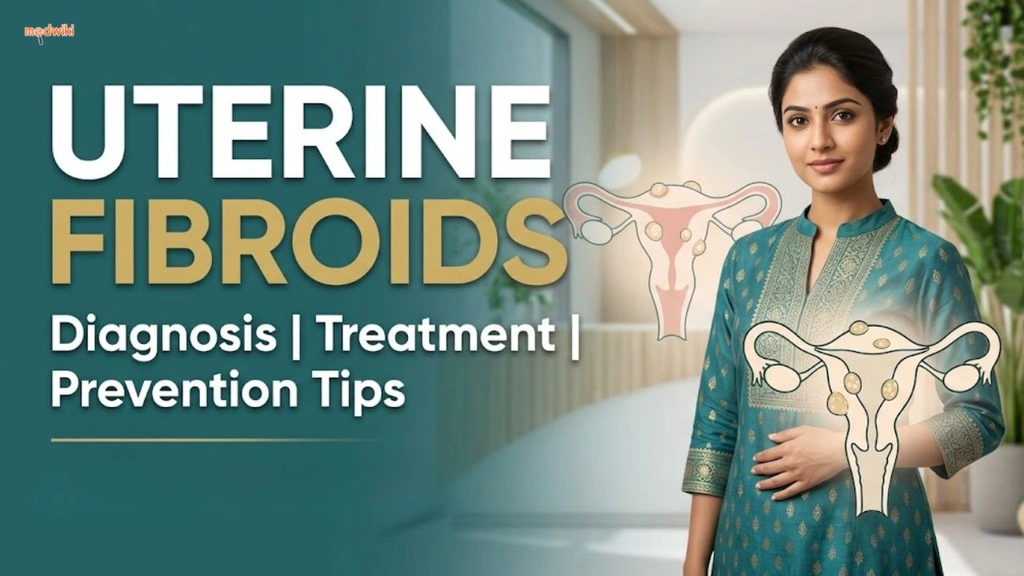
1:15
Uterine fibroids are one of the most commonnon-cancerous growths that develop in or around the uterus. They can affect women of different ages, although they are most frequently diagnosed during the reproductive years. While some women experience no discomfort, others may face symptoms that affect their daily lives and overall well-being.These growths vary in size, number, and location. Some remain very small and unnoticed, while others grow large enough to cause pressure and discomfort. Understanding the condition is important because early detection can help manage symptoms and prevent complications.Many women search for information about diagnosis, management options, and prevention strategies. Learning about risk factors, warning signs, and available medical care can help individuals make informed decisions about their reproductive health.Understanding the ConditionMany people are unfamiliar with the exact nature ofuterine fibroids when they first hear about the condition. These growths develop from the muscular tissue of the uterus and are usually benign. Although they are not cancerous, they can sometimes lead to significant discomfort and health concerns.When discussing the condition, people often search foruterine fibroids meaning in hindi to better understand the medical term in their native language. In simple words, it refers to non-canceroustumors that grow in the uterus and may vary greatly in size.Healthcare professionals often explain thatreal uterine fibroids can differ from one woman to another. Some individuals have a single fibroid, while others may develop multiple growths over time. Their impact largely depends on their size and location.Common Signs and Warning IndicatorsRecognizing early warning signs can help women seek medical attention before symptoms become severe. Not every patient experiences noticeable changes, but awareness remains important.The following symptoms are commonly associated with the condition:Heavy menstrual bleedingPelvic pressure or painFrequent urinationLower back discomfortPain during intercourseProlonged menstrual periodsThese are some of the most frequently reporteduterine fibroids symptoms among affected women. The severity may vary depending on the number and size of the growths.Different Categories and LocationsMedical experts classify fibroids based on where they develop within or around the uterus. Understanding these classifications helps doctors determine the most suitable treatment approach.The following are commontypes of uterine fibroids identified during diagnosis:Intramural fibroidsSubmucosal fibroidsSubserosal fibroidsPedunculated fibroidsCervical fibroidsMultiple fibroid growthsThe varioustypes of uterine fibroids may cause different symptoms and complications. Their location often influences treatment recommendations and long-term management plans.Factors That Contribute to DevelopmentResearchers continue to study the exact reasons behind fibroid formation. While a single cause has not been identified, several contributing factors are known to increase risk.Among the leadingcauses of uterine fibroids are hormonal influences, particularly estrogen and progesterone. These hormones can encourage the growth of uterine tissue and may contribute to fibroid development.Family history also plays a significant role. Women with close relatives who have experienceduterine fibroids may have a higher likelihood of developing them. Other contributing factors include obesity, lifestyle habits, and certain genetic changes.Diagnostic Methods and Medical EvaluationAccurate diagnosis is essential for determining the severity of the condition and planning appropriate care. Doctors typically begin with a medical history review and a physical examination. Additional testing may be recommended based on symptoms and individual health needs.Several diagnostic tools help healthcare providers evaluate the condition effectively.Pelvic examinationUltrasound imagingMagnetic resonance imaging (MRI)Blood testsHysteroscopySonohysterographyThese procedures help identifysymptoms of uterine fibroids and determine the size, number, and location of growths. Early diagnosis often allows for more effective monitoring and treatment planning.Available Treatment OptionsThe management approach depends on symptom severity, fibroid size, age, and future pregnancy plans. Some women may only require monitoring, while others benefit from medication or surgical intervention. Healthcare providers carefully evaluate each case before recommending a plan. The goal is to reduce discomfort and improve quality of life.Several medical approaches are available for managing the condition.Hormonal medicationsPain management medicinesMinimally invasive proceduresUterine artery embolizationMyomectomy surgeryHysterectomy in severe casesModernuterine fibroids treatment options allow many women to manage symptoms effectively. The best choice depends on individual health needs and medical recommendations.Understanding Growth TriggersMany patients wonder why fibroids increase in size over time. Researchers continue to investigatewhat causes uterine fibroids to grow, but hormonal activity is considered a major factor. Estrogen and progesterone may stimulate fibroid growth during the reproductive years. Growth patterns can vary significantly from person to person.Several factors are believed to contribute to enlargement.Hormonal fluctuationsPregnancy-related hormone changesGenetic influencesObesityPoor dietary habitsDelayed medical monitoringUnderstandingwhat causes uterine fibroids to grow can help women make informed health decisions. Regular medical checkups may assist in identifying changes before complications develop.Lifestyle Habits That Support Uterine HealthHealthy daily habits may contribute to better reproductive health and overall wellness. While lifestyle changes cannot always prevent fibroids, they may help reduce certain risk factors. Maintaining a healthy weight and following balanced nutrition are often recommended. Consistent self-care supports long-term well-being.Simple lifestyle practices can make a positive difference.Eat more fruits and vegetablesMaintain a healthy body weightExercise regularlyLimit processed foodsManage stress effectivelySchedule routine health checkupsThese habits may help lower some of the knowncauses of uterine fibroids. A healthy lifestyle also supports recovery and overall reproductive health.Benefits of Early DetectionEarly identification can improve management outcomes and reduce the risk of complications. Many women discover fibroids during routine examinations before symptoms become severe. Timely evaluation allows healthcare providers to monitor growth and recommend suitable care. Early action often provides more treatment choices.The advantages of early diagnosis include:Faster medical interventionBetter symptom controlReduced risk of complicationsImproved treatment planningEnhanced quality of lifeGreater awareness of reproductive healthRecognizinguterine fibroids symptoms at an early stage can encourage timely medical consultation. Early diagnosis often makes long-term management easier and more effective.Prevention Tips and Long-Term ManagementAlthough fibroids cannot always be prevented, certain strategies may help reduce risk factors and support reproductive wellness. Long-term management often involves regular monitoring and healthy lifestyle choices. Women who understand their personal risk profile can take proactive steps toward better health. Consistent medical guidance remains an important part of prevention.The following prevention strategies are commonly recommended:Attend routine gynecological examinationsMaintain balanced nutritionStay physically activeMonitor menstrual changesFollow medical advice consistentlyManage underlying health conditionsAwareness ofsymptoms of uterine fibroids can help women seek care when needed. Preventive habits and regular health monitoring may contribute to better outcomes over time.ConclusionUterine fibroids are common non-cancerous growths that can affect women in different ways. Some individuals experience no symptoms, while others face challenges that impact daily life. Understanding the condition is an important step toward effective management.Knowledge abouttypes of uterine fibroids, risk factors, and diagnosis methods can help women make informed healthcare decisions. Early medical evaluation often provides more treatment options and better symptom control. Regular monitoring is essential for long-term reproductive health.With appropriateuterine fibroids treatment, healthy lifestyle habits, and routine medical care, many women successfully manage their condition. Staying informed and recognizing warning signs can support overall well-being and improve quality of life.FollowMedwikifor more!Frequently Asked Questions1. What are uterine fibroids?Uterine fibroids are non-cancerous growths that develop within or around the uterus. They can vary in size and number and may or may not cause symptoms.2. What are the most common symptoms?Commonuterine fibroids symptoms include heavy menstrual bleeding, pelvic pressure, frequent urination, lower back pain, and prolonged periods. Symptoms differ from one woman to another.3. What causes fibroids to develop?The exact cause is not fully understood, but severalcauses of uterine fibroids have been identified, including hormonal influences, genetics, and lifestyle-related factors.4. How are fibroids diagnosed?Doctors usually diagnose fibroids through pelvic examinations and imaging tests such as ultrasound or MRI. Additional procedures may be used depending on the patient's condition.5. What are the available treatment options?Variousuterine fibroids treatment methods are available, ranging from medications and minimally invasive procedures to surgical interventions for more severe cases.6. Are all fibroids the same?No, there are differenttypes of uterine fibroids, including intramural, submucosal, and subserosal fibroids. Their location often affects symptoms and treatment decisions.7. What causes uterine fibroids to grow?Researchers believe hormones, genetics, pregnancy-related changes, and lifestyle factors may influence growth. Understandingwhat causes uterine fibroids to grow can help women work with their healthcare providers to manage the condition effectively.

1:15
Maintaining goodFeminine Hygiene is an important part of overall health and well-being. Proper hygiene practices help women stay comfortable, confident, and healthy throughout different stages of life. From puberty to menopause, hygiene needs can change, making it essential to understand how to care for the body appropriately.Good hygiene habits are not only about cleanliness but also about preventing irritation, infections, and discomfort. Simple daily practices can support long-term health and contribute to greater self-confidence. Understanding the basics of feminine care allows women to make informed choices about their personal wellness.As women progress through different life stages, their bodies undergo various hormonal and physical changes. Adapting hygiene routines to meet these changing needs can help maintain comfort, health, and overall quality of life.Understanding the Importance of Feminine HygieneMaintaining proper hygiene is essential for preventing infections and supporting overall wellness. Healthy hygiene habits help protect sensitive areas while promoting comfort throughout daily activities. Consistent care can also improve confidence and self-esteem.Many healthcare professionals emphasize the value ofWomen's Hygiene as part of a healthy lifestyle. Proper hygiene practices support cleanliness while reducing the risk of irritation and unpleasant odors.GoodFeminine Care involves understanding the body's natural balance. Overcleaning or using harsh products can sometimes cause more harm than good, making gentle care especially important.Hygiene During PubertyPuberty brings many physical and hormonal changes that require new hygiene habits. Young girls often begin learning how to care for their bodies as they experience menstruation and increased perspiration.Important hygiene practices during puberty include:Daily bathingWearing clean undergarmentsManaging menstrual hygieneStaying hydratedPracticing proper hand washingUsing breathable clothingThese simpleFeminine Hygiene Tips can help young girls develop healthy habits early in life. Establishing a routine during puberty often creates a strong foundation for lifelong wellness.Daily Hygiene Habits for Adult WomenAs women enter adulthood, maintaining a consistent hygiene routine becomes increasingly important. Daily care practices help support cleanliness, comfort, and reproductive health while reducing the likelihood of irritation.Some essential habits include:Regular bathingChangingundergarments dailyPracticing proper toilet hygieneMaintaining hydrationUsing clean menstrual productsWearing comfortable clothingA consistentFeminine Hygiene Routine helps support both comfort and confidence. GoodPersonal Hygiene for Women can also contribute to overall physical and emotional well-being.Understanding Vaginal and Vulvar CareMany women use the terms vagina and vulva interchangeably, but they refer to different parts of the body. Understanding the distinction is important for proper hygiene and health management.MaintainingVaginal Hygiene involves respecting the body's natural cleaning processes. The vagina is self-cleaning and typically does not require aggressive cleansing products.ProperVulvar Hygiene focuses on gently cleaning the external genital area. Using mild products and avoiding irritants can help maintain comfort and support healthy skin.Choosing the Right ProductsMany products are marketed specifically for feminine care, making it important to choose wisely. Not all products are suitable for every individual, and some may disrupt the body's natural balance.When selecting hygiene products, consider the following:Choose gentle cleansersAvoid harsh fragrancesRead ingredient labelsUse breathable sanitary productsSelect comfortable underwearFollow product instructionsA qualityfeminine hygiene wash may be appropriate for some individuals when used correctly. However, it should support natural balance rather than replace healthy daily hygiene practices.Managing Hygiene During MenstruationMenstrual care is an important part of maintaining overall health and comfort. Proper hygiene during periods helps reduce irritation and supports cleanliness throughout the menstrual cycle. Women should choose products that suit their needs and change them regularly. Consistent care can help prevent discomfort and maintain confidence.The following practices are recommended during menstruation:Change sanitary products regularlyWash hands before and after changing productsWear clean underwearStay hydratedBathe regularlyDispose of products properlyGoodIntimate Hygiene during menstruation helps maintain cleanliness and comfort. Following healthy habits can also support overallFemale Intimate Hygiene throughout the cycle.Understanding Vaginal Health and Natural ChangesThe female reproductive system undergoes natural changes throughout life. These changes can affect comfort, moisture levels, and overall well-being. Understanding what is normal can help women recognize when medical attention may be needed. Awareness is an important part of maintaining long-term health.Several factors influenceVaginal Health.Hormonal fluctuationsMenstrual cyclesPregnancyMenopauseLifestyle habitsOverall health conditionsExperiencingVaginal Discharge is often a normal part of reproductive health. Changes in color, odor, or consistency should be discussed with a healthcare professional if concerns arise.Pubic Hair Care and HygienePersonal grooming preferences vary from person to person. Regardless of styling choices, maintaining cleanliness in the pubic area is important for comfort and skin health. Proper care can help reduce irritation and support overall hygiene. Gentle grooming practices are usually recommended.HelpfulPubic Hair Hygiene practices include:Washing regularlyUsing clean grooming toolsAvoiding harsh productsWearing breathable clothingMoisturizing irritated skin when neededPracticing safe grooming techniquesGoodPubic Hair Hygiene supports comfort and cleanliness without requiring excessive grooming. Women should choose methods that suit their personal preferences and skin sensitivity.Hygiene During Pregnancy and MenopausePregnancy and menopause bring significant hormonal changes that may affect hygiene needs. Increased sensitivity, moisture changes, and other physical adjustments often require special attention. Understanding these changes can help women remain comfortable and healthy. Personalized care may be beneficial during these life stages.Some useful practices include:Maintaining regular bathing habitsWearing breathable fabricsStaying hydratedMonitoring unusual symptomsFollowing medical adviceAttending routine health checkupsTheseWomen's Health Tips can help support comfort during major life transitions. Paying attention to changing needs contributes to better hygiene and overall wellness.Building Lifelong Wellness HabitsHealthy hygiene practices are most effective when maintained consistently throughout life. Daily habits can help prevent discomfort while supporting physical and emotional well-being. Small actions performed regularly often have the greatest long-term impact. Creating sustainable routines encourages healthier living.Important habits for lifelong care include:Following a daily hygiene routineStaying physically activeEating a balanced dietManaging stress effectivelyScheduling medical checkupsPrioritizing self-careStrong hygiene habits contribute toFeminine Wellness and support overall health. Consistent attention to personal care can help women feel comfortable, confident, and healthy at every stage of life.ConclusionMaintaining goodFeminine Hygiene is essential for health, comfort, and confidence. Women experience different physical and hormonal changes throughout life, making it important to adapt hygiene practices accordingly. Consistent care helps support long-term well-being.Healthy habits such as properVaginal Hygiene, regular cleansing, and appropriate product selection contribute to better overall health. Understanding the body's natural processes allows women to make informed decisions about their personal care routines.By following practicalFeminine Hygiene Tips and prioritizingFeminine Wellness, women can support their health through every stage of life. Simple daily practices often provide lasting benefits for comfort, confidence, and overall quality of life.FollowMedwikifor more!Frequently Asked Questions1. Why is feminine hygiene important?Feminine Hygiene helps maintain cleanliness, comfort, and overall reproductive health. Proper hygiene practices can reduce the risk of irritation and support long-term wellness.2. How often should I wash intimate areas?Daily cleansing with gentle products is usually sufficient. Maintaining properIntimate Hygiene does not require excessive washing, which may disrupt the body's natural balance.3. Is vaginal discharge normal?Yes,Vaginal Discharge is a normal bodily function that helps keep the reproductive system healthy. Significant changes in color, odor, or consistency should be evaluated by a healthcare professional.4. What is the difference between vaginal and vulvar hygiene?Vaginal Hygiene refers to caring for the internal vaginal environment, whileVulvar Hygiene focuses on cleaning the external genital area. The vagina is generally self-cleaning and requires minimal intervention.5. Can a feminine hygiene wash be used daily?Afeminine hygiene wash may be used according to product instructions if it is gentle and suitable for sensitive skin. It should not interfere with the body's natural balance.6. How can I maintain vaginal health?SupportingVaginal Health involves proper hygiene, hydration, balanced nutrition, and regular medical checkups. Avoiding harsh products can also help maintain comfort and health.7. What are some important women's health tips for hygiene?UsefulWomen's Health Tips include maintaining a daily hygiene routine, wearing breathable clothing, practicing safe menstrual care, staying hydrated, and seeking medical advice when needed.
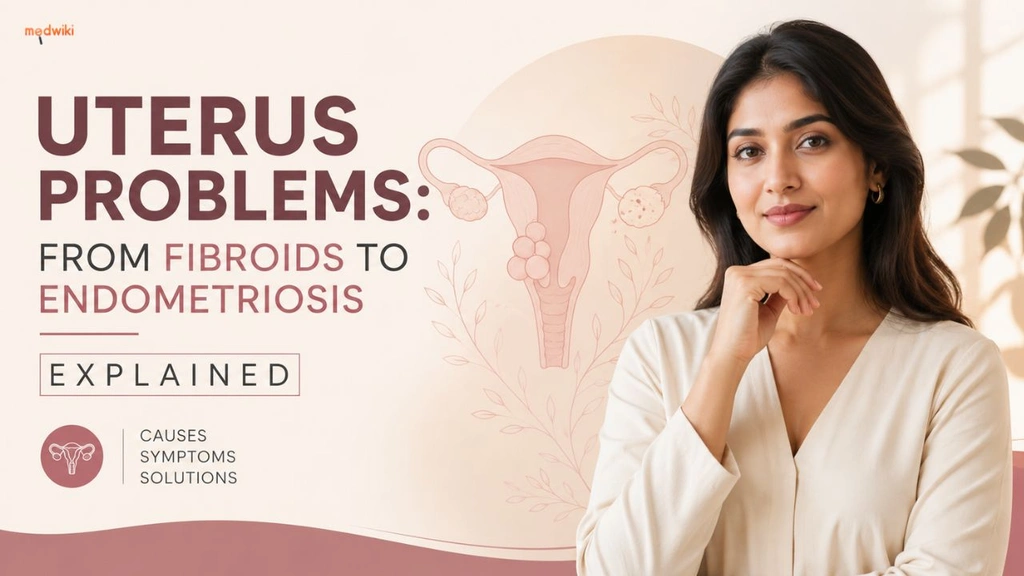
1:15
The uterus is one of the most important organs in a woman's reproductive system. It plays a key role in menstruation,pregnancy, and overall reproductive function. When any issue affects the uterus, it can lead to pain, abnormal bleeding, fertility concerns, and other health complications. Understandinguterus problems can help women recognize symptoms early and seek the right medical care.Many women experience different types of uterine conditions during their lifetime. Some conditions are mild and manageable, while others may require medical treatment or surgery. Knowing the causes, symptoms, and treatment options can make it easier to protect reproductive health and avoid complications.SeveralFemale Reproductive Disorders are linked to the uterus. These conditions can affect women of different ages and may have a significant impact on daily life. Learning about common uterine diseases can help improve awareness and support better health decisions.Understanding the Importance of Uterine HealthThe uterus is a hollow muscular organ located in the pelvis. It supports the growth of a baby duringpregnancy and sheds its lining during menstruation. GoodUterine Health is essential for maintaining reproductive wellness and overall quality of life.VariousUterus Health Conditions can affect the structure and function of the uterus. Hormonal changes, infections, genetics, and lifestyle factors can all contribute to these issues. Some conditions develop slowly and may not show symptoms in the early stages.Manydisorders of the uterus can be successfully managed when detected early. Regular gynecological checkups, healthy lifestyle habits, and awareness of warning signs can help women maintain long-term reproductive health.Common Symptoms That Should Not Be IgnoredMany uterine conditions share similar warning signs. Recognizinguterus problems symptoms can help women seek medical care before complications become serious.Watch for the following symptoms:Heavy menstrual bleedingPelvic pain or pressureIrregular menstrual cyclesPain during intercourseUnusual vaginal dischargeDifficulty becoming pregnantThese symptoms may be linked to differentUterine Problems and should always be discussed with a healthcare provider. Early diagnosis often leads to better treatment outcomes and improved quality of life.Types of Uterine Conditions Every Woman Should KnowManycommon female uterus problems affect women throughout different stages of life. Some conditions mainly cause discomfort, while others may impact fertility or pregnancy.Below are some importantUterine Conditions that women should be aware of:FibroidsFibroids are noncancerous growths that develop inside or around the uterus. They are among the most commonUterine Problems affecting women during their reproductive years. Fibroids can vary in size and number.Symptoms may include heavy periods, pelvic pressure, lower back pain, and frequent urination. Some women may not experience any symptoms at all.Treatment options include medications, minimally invasive procedures, and surgery depending on the size and severity of the fibroids.EndometriosisEndometriosis occurs when tissue similar to the uterine lining grows outside the uterus. This condition can affect the ovaries, fallopian tubes, and surrounding pelvic organs.Common symptoms include severe menstrual cramps, pelvic pain, heavy periods, and fertility difficulties. It is one of the most challengingFemale Reproductive Disorders because symptoms can vary greatly between women.Treatment often includes pain-relieving medication, hormone therapy, and surgery in severe cases.AdenomyosisAdenomyosis develops when the tissue that normally lines the uterus grows into the muscular wall of the uterus. This can cause the uterus to enlarge and become painful.Women with adenomyosis often experience heavy menstrual bleeding, severe cramps, and prolonged periods. Symptoms may worsen over time if left untreated.Hormonal treatments and surgical options may help manage symptoms and improve comfort.Uterine PolypsUterine polyps are small growths that form on the inner lining of the uterus. They are considered one of severalUterine Abnormalities that may affect reproductive health.Symptoms can include irregular bleeding, spotting between periods, and heavy menstrual flow. Some women may not notice any symptoms.Most polyps are noncancerous, but doctors often recommend evaluation and removal if necessary.Uterine ProlapseUterine prolapse occurs when the pelvic muscles and ligaments weaken, allowing the uterus to move downward into the vaginal canal.Women may experience pelvic pressure, lower back pain, urinary difficulties, and a feeling of heaviness. This condition is more common after childbirth and during older age.Treatment may involve pelvic floor exercises, supportive devices, or surgery depending on the severity.Endometrial HyperplasiaEndometrial hyperplasia is the thickening of the uterine lining due to excessive growth of endometrial cells. Hormonal imbalance is a major cause of this condition.Symptoms often include irregular periods, heavy bleeding, and bleeding after menopause. Some forms may increase the risk of cancer.Treatment generally involves hormone therapy and regular monitoring.Pelvic Inflammatory Disease Affecting the UterusPelvic inflammatory disease is an infection that can spread to the uterus and other reproductive organs. It usually develops due to untreated bacterial infections.Symptoms include pelvic pain, fever, abnormal discharge, and painful urination. Without treatment, it may cause fertility problems.Prompt antibiotic treatment is important to prevent complications and supportUterine Health.Congenital Uterine AbnormalitiesThese are structural differences in the uterus that are present from birth. They can affect the shape, size, or development of the uterus.Some women experience no symptoms, while others may face fertility issues, pregnancy complications, or recurrent miscarriages.Medical imaging is often used for diagnosis, and some cases may benefit from corrective surgery.Uterine InfectionsUterine infections occur when harmful microorganisms enter the uterus and cause inflammation. These infections may develop after childbirth, surgery, or reproductive tract infections.Symptoms include fever, pelvic pain, abnormal bleeding, and unusual discharge. Early treatment helps prevent serious health risks.Antibiotics are commonly used to treat these infections and restore reproductive health.Uterine CancerUterine cancer is one of the most serious forms ofUterine Disease. It develops when abnormal cells grow uncontrollably in the uterus.The most common warning sign is abnormal vaginal bleeding, especially after menopause. Other symptoms may include pelvic pain and unexplained weight loss.Early detection and treatment significantly improve outcomes and support long-term health.What Causes Uterine Disorders?Many factors can contribute to the development ofDisorders of the Uterus. Understanding these causes can help women reduce risk and seek timely care.Common causes include:Hormonal imbalancesGenetic factorsChronic infectionsObesityAging and menopauseLifestyle factorsDifferent conditions may have different causes, but regular monitoring and preventive care can help maintain healthy reproductive function.Risk Factors Associated With Uterine ProblemsSeveral risk factors increase the likelihood of developinguterus problems. While some risks cannot be controlled, others can be managed through healthy lifestyle choices.Important risk factors include:Family history of uterine diseaseHigh estrogen levelsObesityDiabetesSmokingIncreasing ageBeing aware of these factors can help women make informed decisions about their health and seek regular medical evaluations when necessary.How Doctors Diagnose Uterine ConditionsProper diagnosis is important for identifying the exact cause of symptoms. ManyUterine Conditions share similar signs, which is why medical evaluation is necessary.Doctors use several methods to diagnose uterine disorders.Physical pelvic examinationUltrasound imagingMRI scansBlood testsHysteroscopyEndometrial biopsyAccurate diagnosis helps doctors create the most effective treatment plan. Early detection can also prevent complications related toUterine Disease.Treatment Options for Uterine ProblemsTreatment depends on the specific condition, symptom severity, age, and reproductive goals. Many women withuterus problems can successfully manage their condition with proper medical care.Several treatment approaches are available.Hormonal medicationsPain relief medicinesAntibiotic therapyMinimally invasive proceduresLifestyle modificationsSurgical treatmentAdvances in modern medicine have improved outcomes for manyUterine Problems. Personalized treatment plans help women achieve better symptom control and improved quality of life.Ways to Maintain Better Uterine HealthMaintaining goodUterine Health can reduce the risk of certain reproductive complications. Healthy habits play an important role in supporting long-term wellness.Simple lifestyle practices can make a difference.Eat a balanced dietExercise regularlyMaintain a healthy weightAvoid smokingAttend routine gynecological checkupsSeek treatment for infections promptlyPreventive care is one of the best ways to support reproductive wellness. Women should remain aware of changes in their bodies and discuss concerns with a healthcare professional.Benefits of Early DetectionEarly diagnosis provides several advantages when dealing withcommon female uterus problems. Many conditions respond better to treatment when identified in the early stages.Recognizing symptoms and seeking medical care quickly can lead to the following benefits.Better symptom managementImproved fertility outcomesReduced risk of complicationsMore treatment choicesFaster recoveryBetter overall healthRegular health screenings support early intervention. This can help reduce the impact of manyUterus Health Conditions on daily life.Possible Complications if Left UntreatedIgnoring symptoms may allow certain conditions to worsen over time. Some forms ofUterine Disease can have serious effects on reproductive and general health.Untreated conditions may result in:Chronic pelvic painSevere anemiaFertility problemsPregnancy complicationsPersistent infectionsReduced quality of lifeSeeking timely medical care is important for preventing complications. Early treatment often improves outcomes and protects long-termUterine Health.ConclusionUnderstandinguterus problems helps women recognize symptoms and seek medical attention when needed. Conditions such as fibroids, endometriosis, adenomyosis, and polyps can affect reproductive health in different ways.Awareness ofuterus problems symptoms is essential for early diagnosis and treatment. Manydisorders of the uterus can be managed successfully when detected at an early stage.Regular checkups, healthy lifestyle habits, and proper medical care can support better reproductive wellness. Paying attention to symptoms and maintaining goodUterine Health can help women enjoy a healthier future.FollowMedwikifor more!Frequently Asked Questions1. What are the most common uterus problems?The most commonUterine Problems include fibroids, endometriosis, adenomyosis, uterine polyps, and uterine prolapse. These conditions may affect menstruation, fertility, and overall reproductive health.2. What are common uterus problems symptoms?Commonuterus problems symptoms include heavy bleeding, pelvic pain, irregular periods, lower abdominal pressure, painful intercourse, and fertility difficulties. Symptoms vary depending on the condition.3. Can fibroids become cancerous?Fibroids are usually noncancerous growths. Most women with fibroids never develop cancer, but regular monitoring is recommended to evaluate any changes.4. Does endometriosis affect fertility?Yes, endometriosis can affect fertility in some women. Early diagnosis and proper treatment may improve the chances of conception and reduce complications.5. What causes uterine infections?Uterine infections are commonly caused by bacteria entering the reproductive tract. Childbirth, surgery, miscarriage, or untreated infections can increase the risk.6. Can congenital uterine abnormalities be treated?Some congenitalUterine Abnormalities can be treated through surgery or specialized reproductive care. Treatment depends on the type and severity of the condition.7. When should I consult a doctor for uterine symptoms?You should consult a healthcare professional if you experience persistent pelvic pain, heavy bleeding, abnormal discharge, fertility concerns, or any symptoms that interfere with daily life.
Shorts
How to Do Breast Cancer Self-Examination at Home?

Mrs. Prerna Trivedi
Nutritionist
Breast Cancer: Few Symptoms to know!
Mrs. Prerna Trivedi
Nutritionist
Dark Brown Vaginal Discharge?

Dr. Beauty Gupta
Doctor of Pharmacy

Yoga Asanas for Managing PCOD/PCOS!
Dr. Beauty Gupta
Doctor of Pharmacy

Know Us
@2026 Medwiki Pvt Ltd. All Rights Reserved