


1:15
Periods are a natural part of a woman’s life, but they don’t always follow a perfect pattern. Many women experience changes in flow, timing, or pain, which can sometimes signal underlying health concerns. Understanding these changes early can help you take better care of your body.The topic of8 types of abnormal menstruation is important because it helps you recognize what is normal and what is not. By identifying these patterns, you can take timely steps and avoid complications in the future. Awareness of abnormal menstruation can truly make a difference in long-term health.Understanding what abnormal menstrual patterns really indicateMenstrual changes are often your body’s way of communicating that something is off. These changes can be temporary or linked to deeper health conditions, and they are part of abnormal menstruation patterns.When you notice unusual patterns, it is important to observe them carefully instead of ignoring them.Changes in cycle length or flowUnusual pain or discomfortMissed cycles without clear reasonIrregular timing between cyclesHormonal shifts affecting routineRecognizing these early signs and symptoms of menstrual disorders helps in managing conditions effectively.Heavy menstrual bleeding can affect your daily life significantlyHeavy flow is one of the most common issues women face. It can lead to weakness and discomfort if not managed properly.Many women experiencing heavy menstrual bleeding often feel tired and drained during their cycle, which can impact daily life.Soakingpads frequentlyPassing large blood clotsFeeling fatigued or dizzyDifficulty in daily activitiesLow iron levels over timeIgnoring heavy menstrual bleeding can lead to long-term health issues, so attention is necessary.Missed periods may signal underlying health concernsMissing periods occasionally can be normal, but frequent absence may need attention. There are many missed periods that range from lifestyle to medical issues.When periods stop without pregnancy, it is important to understand missed periods and act accordingly.Stress affecting hormone levelsSudden weight changesHormonal imbalance periodsMedical conditions like PCOSThyroid-related problemsTracking your cycle regularly can help you identify patterns early.Frequent periods can disrupt your body’s natural rhythmWhen cycles occur too often, it can disturb your routine and health. This is known as frequent periods and may point toward hormonal imbalance.Such patterns like frequent periods should not be ignored, especially if they continue for a long time.Short gaps between cyclesIncreased blood loss overallFatigue and low energyHormonal fluctuationsEmotional discomfortBalancing hormones can help regulate this condition over time.Painful periods can make everyday activities difficultSevere cramps are not something you should always ignore. Painful periods (dysmenorrhea) can interfere with daily life and may indicate deeper issues.Experiencing painful periods (dysmenorrhea) regularly may need proper care and attention.Lower abdominal crampsBack pain and discomfortNausea or headachesDifficulty in movementReduced productivityManaging pain early can improve your quality of life.Spotting between periods should not be ignored completelyLight bleeding between cycles is known as spotting between periods. While it may seem minor, it can sometimes indicate hormonal changes.Frequent spotting between periods should be monitored to understand underlying causes.Light bleeding outside cycleHormonal imbalance periodsStress-related triggersMedication effectsUnderlying conditionsObserving consistency helps in better understanding this condition.Long menstrual cycles can delay your natural rhythmA long menstrual cycle means your periods are spaced farther apart than usual. This can affect ovulation and overall reproductive health.Having a long menstrual cycle regularly may indicate deeper hormonal concerns.Delayed ovulationIrregular cycle timingStress and menstrual cycle impactPCOS irregular periodsThyroid and menstruation connectionAddressing the root cause helps restore regularity.Short menstrual cycles may indicate hormonal imbalanceWhen cycles occur too quickly, it is referred to as a short menstrual cycle. This can lead to frequent bleeding and discomfort.A short menstrual cycle can sometimes be linked with stress and hormonal imbalance.Short gaps between cyclesIncreased frequency of bleedingHormonal imbalance periodsNutritional deficienciesStress-related issuesProper care can help normalize the cycle.Hormonal imbalance plays a key role in menstrual disordersHormones control the entire menstrual process. Even a small imbalance can lead to noticeable changes.Many causes of abnormal menstruation are directly linked to hormonal fluctuations and imbalance.Estrogen and progesterone imbalanceStress and menstrual cycle connectionPCOS irregular periodsThyroid and menstruation issuesLifestyle-related triggersBalancing hormones is essential for a healthy cycle.Lifestyle factors can strongly influence menstrual healthYour daily habits play a big role in how your cycle behaves. Poor lifestyle choices can worsen symptoms of menstrual disorders and overall health.Understanding the causes of abnormal menstruation also includes looking at lifestyle patterns.Lack of sleepPoor diet habitsHigh stress levelsLack of physical activityExcess caffeine or junk foodA balanced lifestyle supports better menstrual health.Benefits of Treatments for managing menstrual disorders effectivelyTreatments aim to reduce symptoms and improve overall health. They can be medical or natural depending on the condition.Knowing the symptoms of menstrual disorders helps in choosing the right treatment.Regulates menstrual cyclesReduces pain and discomfortImproves hormone balanceEnhances overall well-beingPrevents complicationsProper treatment brings stability and relief.Uses of Treatments in improving menstrual cycle healthDifferent treatments are used depending on the condition and severity. They help manage various menstrual issues effectively.Treatment for irregular periods is often customized, and treatment for irregular periods works best with consistency.Hormonal therapy for balanceLifestyle changes for improvementMedications for symptom reliefNatural remedies for supportRegular monitoring of cyclesUsing the right approach improves results significantly.Side effects of Treatments and things to consider carefullyWhile treatments are helpful, they may have side effects if not used properly. It is important to follow medical advice.Knowing when to see a doctor for periods is important before starting any treatment, and when to see a doctor for periods depends on severity.Hormonal changes from medicationTemporary discomfortWeight changesMood fluctuationsDependency on treatmentBeing aware of side effects ensures safer use.ConclusionUnderstanding the8 types of abnormal menstruation helps you stay aware of your body’s signals. It allows you to take timely action and avoid long-term health issues related to abnormal menstruation.Small changes in your cycle should not be ignored. By observing patterns, understanding causes of abnormal menstruation, and seeking help when needed, you can maintain better reproductive health and overall well-being.FollowMedwikifor more!Frequently Asked Questions1. Is it normal to have irregular cycles sometimes?Yes, occasional changes can happen due to stress and hormonal imbalance periods, but frequent irregularity should be checked.2. What can cause sudden changes in periods?Sudden changes may be due to stress and menstrual cycle imbalance or underlying medical conditions.3. Are painful periods always a sign of a problem?Not always, but severe painful periods (dysmenorrhea) that affect daily life may need medical attention.4. How can lifestyle affect menstrual cycles?Poor habits increase symptoms of menstrual disorders and can disturb hormonal balance.5. When should I worry about missed periods?If missed periods cause repeat frequent absence without pregnancy, it is important to consult a doctor.6. Can hormonal imbalance be treated naturally?Yes, lifestyle changes can help manage hormonal imbalance periods and improve cycles.7. When is the right time to consult a doctor?If symptoms persist, understanding when to see a doctor for periods becomes very important for proper care.

1:15
Let’s be real anything unusual “down there” can instantly make you panic. One day everything feels normal, and the next, there’s discomfort, puffiness, or that annoying irritation you just can’t ignore.Vaginal swellingis more common than you think, even though no one really talks about it openly.The good news? Most of the time, it’s your body’s way of saying “hey, something’s off” and not something dangerous. Once you understand what’s going on, handling it becomes much easier and way less scary.Your body is not acting weird, it is just reactingThink of this as your body sending you signals, not creating drama.Theintimate areais super sensitive compared to the rest of your bodyEven small irritation can make it react quicklyBlood flow changes can cause temporary puffinessHormones love to mess with sensitivity levelsSweat and heat can trigger discomfort easilyYour skin here is thinner and more reactiveEven daily habits can influence how it feelsSo yes, swelling in vagina can feel sudden, but it usually has a reason.Everyday habits might be the real troublemakers hereSometimes, the problem is hiding in your routine.Wearing tight jeans all day can create frictionStaying ingym clothes after sweating is a big noUsing scented soaps “down there” is not a great ideaNot changing pads or tampons on time adds riskSynthetic underwear traps heat and moistureOver-cleaning can disturb natural balanceIgnoring mild discomfort can make things worseThese small habits quietly become causes of vaginal swelling over time.Infections can turn mild discomfort into a bigger issueThis is where things get a bit more serious.Yeast infectionsbring itching and thick dischargeBacterial imbalance can cause odor and irritationSTIs may add pain, sores, or burningMoist environments help bacteria grow fasterUnprotected sex increases riskWeak immunity can make infections frequentPoor hygiene can worsen the situationUnderstanding causes of vaginal swelling helps you act before it gets worse.Your products might not be as “friendly” as they claimYes, that fancy body wash might be the culprit.Scented soaps can irritate sensitive skinDetergents used on underwear may cause reactionsFragranced pads or tampons can trigger swellingLatex condoms may not suit everyoneLubricants can sometimes cause sensitivitySprays and douches disturb natural balanceHarsh chemicals damage the skin barrierThis is often why swelling in vulva happens without warning.Hormones love to surprise you at the wrong timeYour body’s internal chemistry plays a big role.Hormonal shifts happen throughout the monthYou may feel heaviness before your periodWater retention can cause puffinessIncreased sensitivity is very commonHormonal imbalance can worsen irritationOvulation can also change how you feelMenopause brings its own set of changesAll of this can lead to swelling in vagina without any clear external reason.Pregnancy brings changes you did not sign up forYour body is doing a lot, and it shows.Blood flow increases in the pelvic areaTissues become softer and more sensitiveFluid retention causes visible swellingPressure from the uterus affects circulationVeins may appear enlargedStanding too long can worsen discomfortHeat can make it feel more intenseThat’s why swelling in vagina during pregnancy is actually quite common, and in some cases vulva swelling in pregnancy may also appear alongside it.The outer area also deserves attention and careIt is not just about what is inside.Tight clothing creates constant frictionSweat buildup irritates the skinHeat and humidity make things worseSkin conditions can affect this area tooPoor hygiene increases discomfortLong sitting hours add pressureAllergies can show up as redness and swellingAll these factors contribute to swelling in the vulva.When itching joins the party, things get annoyingThis is where discomfort becomes hard to ignore.Fungal infections often cause itchingAllergies can trigger irritation quicklyDry skin can make it worseScratching increases inflammationMoisture buildup adds to discomfortHarsh products can worsen the itchLack of airflow makes healing slowerSwelling in the vulva and itching together is a clear sign to pay attention.Home care can actually calm things down quicklyYou don’t always need complicated solutions.A cold compress can reduce swelling fastWarm sitz baths feel soothingLoose cotton underwear helps the skin breatheAvoiding irritants prevents further damageKeeping the area dry is very importantDrinking water supports healingRest gives your body time to recoverThese simple remedies of vaginal swelling work surprisingly well.Sometimes your body needs a little medical helpIf things don’t improve, don’t ignore it.Antifungal creams treat yeast infectionsAntibiotics help bacterial infectionsAntivirals are used for certain conditionsDoctors may treat cysts if presentAnti-inflammatory creams reduce irritationTests may be needed for recurring issuesProper diagnosis avoids guessworkTimely treatment keeps vaginal swelling from becoming serious.Uses of good hygiene habits go beyond just cleanlinessIt’s not just about feeling fresh.Helps maintain natural bacteria balancePrevents infections before they startReduces irritation and discomfortKeeps the area dry and healthyImproves daily confidenceSupports overall reproductive healthBuilds long-term healthy habitsGood habits are your first defense against vaginal swelling.Benefits of early action make everything easierCatching the problem early saves you trouble.Stops symptoms from getting worseReduces discomfort quicklyHelps faster recoveryPrevents complicationsSaves time and stressBuilds awareness about your bodyEncourages better self-careHandling vaginal swelling early always works in your favor.Side effects or precautions you should not ignoreDoing the wrong thing can make it worse.Avoid random creams without adviceDon’t scratch even if it itchesStay away from harsh productsAvoid tight clothes during recoveryDon’t ignore persistent symptomsAlways consult a doctor if unsureKeep the area clean but not overwashedTaking the right precautions helps manage vaginal swelling safely.ConclusionVaginal swelling might feel uncomfortable and even a little scary at first, but most of the time, it is your body reacting to something simple like irritation, infection, or hormonal changes. Once you understand the cause, handling it becomes much easier.The key is to listen to your body instead of ignoring it. A little care, the right habits, and timely action can keep things under control and help you stay comfortable without unnecessary stress.FollowMedwikifor more!Frequently Asked Questions1. Is it normal to experience swelling occasionally?Yes, mild swelling can happen due to irritation, hormones, or friction and usually settles on its own.2. Can tight clothes really cause this issue?Yes, tight clothing creates friction and traps moisture, which can lead to irritation and swelling.3. Is it common during pregnancy?Yes, swelling in vagina during pregnancy is common due to increased blood flow and pressure changes.4. Can infections go away on their own?Some mild infections may settle, but most need proper treatment to avoid worsening.5. Should I stop using all the products down there?It’s best to avoid scented or harsh products and stick to mild or plain water cleaning.6. How long does it usually take to recover?Mild cases improve in a few days, while infections may take longer with treatment.7. When is it necessary to see a doctor?If you have pain, unusual discharge, or symptoms that don’t improve, consult a doctor.
1:15
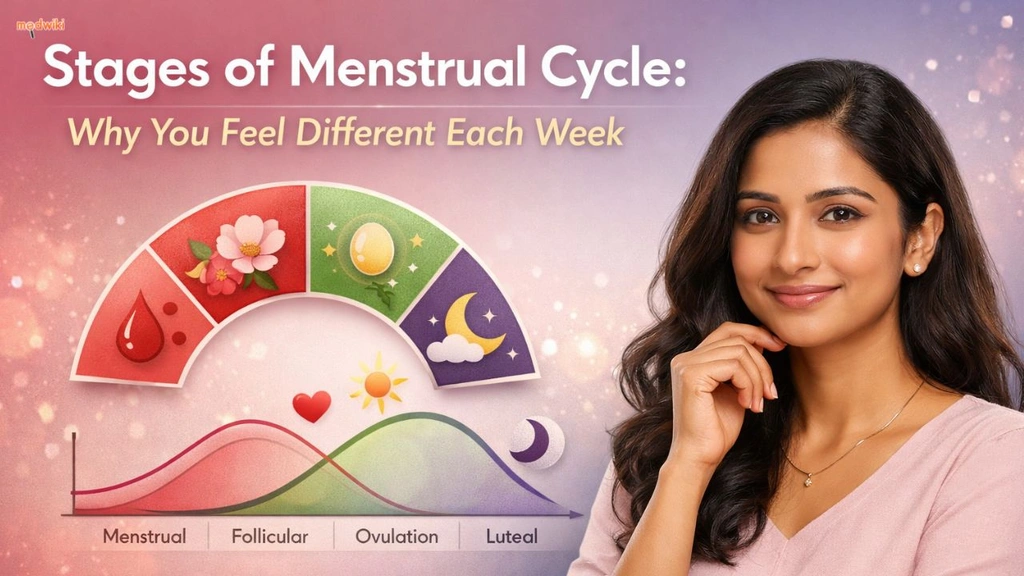
Every woman notices that her mood, energy, and emotions keep changing throughout the month. Some days you feel active and confident, while other days you may feel low or tired without any clear reason. These changes are not random, they are closely linked to thestages of the menstrual cycleand how hormones shift during each phase.Understanding these changes can help you manage your routine better and feel more in control of your body. When you know what is happening inside, it becomes easier to handle mood swings and physical discomfort without confusion or stress. Over time, this awareness can also improve your confidence in dealing with everyday challenges.Understanding How Hormones Control Your Mood Throughout the MonthHormones are the main reason behind emotional and physical changes during the cycle. They rise and fall in a pattern that affects your daily life.Estrogen boosts mood and energyProgesterone creates a calming effectHormonal shifts impact brain chemicalsEmotional sensitivity may increaseChanges in serotonin levels affect moodHormonal imbalance can cause irritabilityThese hormonal changes explain why thestages of the menstrual cycle feel different every week. Learning about them helps you respond better to your body’s needs.The Menstrual Phase Brings Rest and Low Energy LevelsThis is the phase when your period begins, and your body naturally slows down. It is a time when rest becomes more important than activity.Energy levels are usually lowYou may feel tired or emotionalBody focuses on shedding the liningCravings for comfort foods increaseMild cramps or body pain may occurYou may feel less motivated to workThese earlymenstrual phases remind your body to take it easy and recharge. Giving yourself rest during this time helps in faster recovery.The Follicular Phase Helps You Feel Fresh and MotivatedAfter your period ends, your body starts preparing for the next cycle. This phase often brings a boost in mood and productivity.Estrogen levels start risingEnergy gradually increasesFocus and creativity improveMotivation feels naturalYou feel more positive and activeMental clarity improvesThefollicular phase is often considered the most productive time in thephases of the menstrual cycle. It is a good time to start new tasks and set goals.The Ovulation Phase Increases Confidence and Social EnergyThis phase occurs in the middle of your cycle and is usually when you feel your best. Your body is at its peak energy level.Hormones are at their highestConfidence increases naturallySocial interaction feels easierMood feels stable and positiveCommunication skills improveYou feel more outgoingTheovulation phase is one of the most noticeable parts of themonthly cycle phases because of its strong effect on emotions and behavior.The Luteal Phase Brings Emotional Sensitivity and CalmnessAfter ovulation, your body enters a phase where emotions may feel more intense. This is also when PMS symptoms can appear.Progesterone levels riseYou may feel more sensitiveEnergy starts to dropMood swings may occurCravings for sweets may increaseYou may feel more tired than usualUnderstandingluteal phase symptoms helps you manage this part of thestages of the menstrual cycle better. Planning lighter tasks during this phase can help.How Each Phase Affects Your Daily Productivity and FocusEach phase impacts how well you perform tasks and manage your routine. Planning according to your cycle can be helpful.Menstrual phase suits rest and reflectionFollicular phase is great for planningOvulation phase supports communicationLuteal phase works for completing tasksEnergy levels affect work outputFocus may shift during different phasesThis pattern shows how thephases of period cycle can influence your daily efficiency. Using this knowledge can improve your performance.Why Mood Swings Are a Natural Part of the CycleMood swings are common and happen due to hormonal changes, not weakness. They are completely normal.Hormones affect brain chemistryEmotional sensitivity variesStress can increase reactionsSleep patterns may changeSmall issues may feel biggerYou may feel more reactiveRecognizing this helps you accept the emotional side of the4 stages of the menstrual cycle without self-judgment.Benefits of Understanding Your Cycle for Better Life BalanceKnowing your cycle helps you make better decisions and manage your time effectively. It improves overall well-being.Better emotional controlImproved productivityReduced stressStronger body awarenessBetter planning of activitiesImproved mental clarityUnderstanding thestages of the menstrual cycle allows you to work with your body instead of against it. It also builds a healthier routine.Uses of Tracking Your Cycle to Improve Mental and Physical HealthTracking your cycle can help you notice patterns and prepare for changes in advance. It builds awareness.Helps predict mood changesImproves planning of tasksSupports better health decisionsMakes symptoms easier to manageHelps in identifying irregular cyclesUseful for doctor consultationsTracking themonthly cycle phases gives you more clarity and control over your routine. It also helps in communicating better with doctors if needed.Side Effects of Ignoring Hormonal Changes in Your CycleIgnoring your body’s signals can make things more difficult over time. Awareness is important.Increased stress and confusionPoor time managementWorsening PMS symptomsEmotional imbalanceLack of energy controlDifficulty in daily planningUnderstanding thestages of the menstrual cycle helps avoid these unnecessary challenges and supports better health decisions.How Diet and Lifestyle Choices Affect Each PhaseWhat you eat and how you live can influence how you feel during each phase. Small changes can make a big difference.Healthy food supports hormone balanceExercise improves mood stabilitySleep helps regulate hormonesHydration reduces discomfortAvoiding junk food helps reduce symptomsBalanced routine improves overall healthA balanced lifestyle supports allphases of the menstrual cycle and keeps your body stable. Consistency in habits is very important here.Simple Ways to Manage Mood Changes During Each PhaseManaging mood does not require complex steps. Simple habits can help you feel better.Practice relaxation techniquesStay active with light exerciseMaintain a healthy routineTalk about your feelingsSpend time on self-careTake proper rest when neededThese steps help you handle the emotional shifts in thestages of the menstrual cycle more easily. Small efforts can bring big changes.How Work and Social Life Can Be Planned Around Your CyclePlanning your work and social activities based on your cycle can help reduce stress and improve efficiency. It allows you to use your energy wisely.Schedule important tasks during high-energy phasesPlan rest during low-energy daysEngage socially during confident phasesAvoid overloading during sensitive timesManage workload based on energy levelsBalance work and personal lifeThis approach aligns well with thephases of period cycle and helps create a more balanced lifestyle.The Importance of Listening to Your Body’s SignalsYour body constantly gives signals about what it needs. Paying attention to these signs helps you respond better.Notice changes in energy levelsIdentify emotional triggersUnderstand physical discomfortAdjust routine accordinglyTrack patterns regularlyStay aware of mood shiftsListening to your body helps you understand the4 stages of the menstrual cycle in a more practical and personal way.ConclusionYour body goes through natural changes every month, and each phase has its own impact on your mood and energy. Instead of feeling confused, understanding these patterns can help you feel more in control.When you learn to align your routine with your cycle, everything feels more balanced. Thestages of the menstrual cycle are not a problem, they are a guide to understanding yourself better and living in a more natural rhythm.FollowMedwikifor more!Frequently Asked Questions1. Why do I feel different every week during my cycle?Your hormones change throughout the month, which affects mood, energy, and emotions. This is completely normal.2. Which phase has the highest energy levels?The ovulation phase usually brings the highest energy and confidence levels.3. Why do I feel emotional before my period?This happens due to hormonal changes, especially during theluteal phase symptoms, which can affect mood.4. Can tracking my cycle really help?Yes, tracking helps you understand patterns and manage your daily activities better.5. Are mood swings normal in every cycle?Yes, mood changes are a natural part of hormonal shifts and vary from person to person.6. How can I manage low energy during my period?Rest, proper nutrition, and light activity can help improve energy levels during this time.7. Do all women experience the same cycle phases?The basic pattern is the same, but the intensity and experience can differ for each individual.

1:15
Menopause is a natural phase in every woman’s life, but the timing can vary from person to person. Many women feel curious or even anxious about when it will begin, especially when they start noticing small physical or emotional changes. These changes may feel confusing at first, and without the right information, it becomes difficult to understand what your body is trying to signal.Amenopause age calculator is often used to get an idea of when this phase might start. While it may give an estimated timeline, it is important to understand how reliable these predictions really are and what factors can influence them. These tools can be helpful, but they should always be used with awareness and realistic expectations.How a menopause age calculator works behind the scenesA menopause calculator uses basic inputs to predict a possible age range. It looks at patterns and common factors seen in different women and gives a rough idea based on collected data.Takes age andmenstrualhistory into accountConsiders family history of menopauseMay include lifestyle habitsUses general medical data patternsSometimes includes health conditionsMay ask about smoking or exercise habitsConsiders cycle regularityUses average data from large populationsThese tools are helpful to estimate menopause age, but they cannot guarantee exact results. Everybody works differently, so predictions should be taken as guidance only and not as a fixed timeline.Why menopause timing can vary from person to personMenopause does not follow a fixed schedule for everyone. Several internal and external factors influence its timing, making every experience unique.Genetics play a strong roleLifestyle habits affect hormonal balanceDiet and nutrition levels matterStress can impactmenstrual cyclesMedical conditions may shift timingEnvironmental factors also play a roleBody weight can influence hormonesUnderstanding this variation helps you stay prepared. It also shows why no tool can give a perfect answer for everyone.Early signs that may indicate approaching menopauseThe body usually gives signals before menopause begins. These signs may appear gradually and differ for each woman, sometimes starting years earlier.Irregular periodsHot flashesMood swingsSleep disturbancesLow energy levelsChanges in skin and hairSuddenweight changesIncreased irritabilityRecognizing these changes can help you relate better with calculator predictions. It also makes it easier to take timely action and reduce discomfort.The role of genetics in determining menopause ageFamily history is one of the strongest indicators of menopause timing. Many women experience it around the same age as their mothers or close relatives.Inherited hormonal patternsSimilar reproductive health traitsFamily lifestyle habitsShared environmental factorsGenetic influence on ovarian functionEven with genetic influence, differences can still occur. This is why tools like a menopause age calculator quiz give only a rough idea and not a confirmed result.Lifestyle factors that can influence menopause timingDaily habits can impact hormonal health over time. Small choices may shift the timing slightly and also affect how symptoms are experienced.Smoking may lead to earlier menopauseHealthy diet supports hormone balanceRegular exercise improves overall healthPoor sleep can affect cyclesHigh stress levels may cause irregularityAlcohol intake may influence hormonesSedentary lifestyle may delay balanceBeing mindful of lifestyle can help you manage symptoms better. It also improves overall well-being during this phase.Medical conditions that may affect menopause predictionCertain health issues can change the expected timeline. These conditions may interfere with normal hormonal function and create early or delayed menopause.Thyroid disordersAutoimmune diseasesPolycystic ovary syndromePast surgeries involving ovariesCancer treatmentsHormonal imbalancesChronic illnessesThese factors can impact how accurately you estimate menopause age. Medical advice becomes important in such cases to avoid confusion.How accurate are online menopause prediction toolsOnline tools are designed to provide general guidance. They are based on averages rather than individual precision, which limits their accuracy.Use limited personal dataDo not account for sudden health changesCannot track real-time hormonal shiftsDepend on user input accuracyIgnore emotional and mental factorsBased on general population trendsA menopause age calculator can give direction, but not certainty. It should not replace professional consultation or medical diagnosis.Benefits of using a menopause age calculatorUsing such tools can still be helpful when used with the right expectations. They offer basic awareness and preparation for upcoming changes.Gives a general timelineHelps reduce uncertaintyEncourages early planningCreates awareness about body changesSupports health discussionsHelps track personal patternsBuilds confidence in understanding changesThese benefits make it easier to understand what lies ahead. It helps women feel more prepared and informed about their health journey.Uses of menopause prediction tools in daily lifeThese tools are not just for curiosity; they can support planning and awareness. They are often used as a starting point for deeper understanding.Helps track menstrual changesSupports health monitoringAssists in planning lifestyle changesEncourages regular check-upsHelps in mental preparationSupports discussions with doctorsA menopause age calculator quiz can be a simple way to begin understanding your body. It opens the door for better awareness and informed decisions.Side effects of relying too much on predictionsDepending completely on predictions can sometimes create unnecessary stress. It may lead to confusion if results do not match reality.Increased anxiety about timingMisinterpretation of symptomsIgnoring real medical adviceOverthinking normal changesEmotional stress due to uncertaintyLack of confidence in body signalsIt is important to use these tools wisely. They should guide, not control your expectations or decisions.Understanding menopause age trends in different regionsMenopause timing can vary across regions due to lifestyle and health factors. Cultural and environmental differences also play a role in these variations.Nutrition habits differ globallyHealthcare access variesLifestyle patterns influence hormonesStress levels may differEnvironmental exposure can affect healthCultural habits may influence dietIn many cases, menopause age in India is slightly earlier compared to some Western countries. This shows how location can influence biological patterns and expectations.How emotional health is linked with menopause awarenessMental and emotional health are closely connected to this phase. Awareness can reduce fear and confusion while improving overall experience.Reduces anxiety about unknown changesBuilds confidence in handling symptomsEncourages open conversationsImproves coping strategiesSupports emotional stabilityHelps maintain positive mindsetBeing informed helps you stay calm and prepared. It also makes the transition smoother and more manageable.When you should consult a doctor instead of relying on toolsThere are situations where professional advice is necessary. Tools cannot replace proper medical evaluation in such cases.Sudden changes in menstrual cycleSevere symptoms affecting daily lifeEarly signs before age 40Health conditions influencing hormonesUnusual pain or discomfortRapid changes in body patternsIn such cases, relying only on a menopause age calculator may not be enough. Expert guidance ensures accurate understanding and proper care.ConclusionMenopause is a natural transition, but its timing can vary widely from one person to another. While tools like a menopause age calculator provide a helpful starting point, they are not always fully accurate and should not be treated as a final answer.It is always better to combine these predictions with real-life awareness and medical advice. Listening to your body, maintaining a healthy lifestyle, and consulting a doctor when needed will always give better clarity and confidence. When used wisely, these tools can support your journey without creating unnecessary stress.FollowMedwikifor more!Frequently Asked Questions1. Can a calculator really predict menopause age accurately?It can give an estimated menopause age based on general factors, but it cannot guarantee exact timing.2. Is it normal for menopause age to differ from family patterns?Yes, even though genetics matter, lifestyle and health can create differences.3. Are online quizzes reliable for menopause prediction?A menopause age calculator quiz can provide basic insight, but it should not be taken as a final result.4. What is the average menopause age in India?Menopause age in India is often reported to be slightly earlier than in some other regions, usually in the late 40s.5. Can stress affect menopause timing?Yes, long-term stress can impact hormonal balance and may influence the timing slightly.6. Should I worry if my symptoms start early?Not always, but it is better to consult a doctor if changes happen much earlier than expected.7. How can I prepare for menopause effectively?Maintaining a healthy lifestyle, tracking changes, and staying informed can help you manage this phase smoothly.

1:15
Missing a period can be stressful, especially when pregnancy is not the reason. Many women experience irregular cycles at some point in life, and it is not always a sign of something serious. Understanding your body and the possible triggers can help reduce unnecessary worry.There are manycauses of missed periods besides pregnancy, and most of them are linked to lifestyle, hormonal changes, or temporary health conditions. Knowing these reasons can help you take the right steps and avoid confusion when your cycle doesn’t follow its usual pattern. In many cases, these changes are temporary and can be managed with small lifestyle adjustments and awareness. Over time, keeping track of patterns can also help you notice what exactly affects your cycle the most.Hormonal Imbalance Can Disrupt Your Natural CycleHormones play a major role in regulating your menstrual cycle. Even a slight imbalance can lead to delays or skipped periods.Changes in estrogen and progesterone levelsThyroid hormone fluctuationsImpact onovulation timingIrregular release of eggsHormonal imbalance is one of the most commonreasons for missed periods besides pregnancy, and it often needs proper attention. Ignoring it for long can make cycles more unpredictable and harder to manage later.Stress Levels Can Directly Affect Your Menstrual HealthStress is not just mental; it can affect your physical health too, including your periods. High stress levels can delay ovulation.Increasescortisol levelsAffects brain signals controlling hormonesLeads to cycle irregularitiesMay cause sudden missed cyclesManaging stress is important when dealing withmissed periods in everyday life. Simple relaxation techniques and taking breaks can help your body return to its normal rhythm.Sudden Weight Loss or Gain Can Impact Your CycleBody weight plays a significant role in maintaining a healthy menstrual cycle. Rapid changes can disturb hormonal balance.Low body fat affects hormone productionExcess weightcan lead to hormonal imbalanceExtreme dieting can delay ovulationEating disorders may stop periods completelyThis is another common reason for missed periods besides pregnancy that many women overlook. Maintaining a stable and healthy weight supports regular cycles.Excessive Exercise Can Lead to Delayed PeriodsWhile exercise is healthy, too much of it can have the opposite effect on your body.Reduces body fat drasticallyAlters hormone levelsIncreases physical stressMay stop ovulation temporarilyBalancing exercise is important when understanding thecauses of missed periods besides pregnancy. Giving your body enough rest is just as important as staying active.Thyroid Disorders Can Interfere with Menstrual RegularityThe thyroid gland controls many body functions, including your cycle. Any imbalance can cause irregular periods.Hypothyroidism slows body processesHyperthyroidism speeds up metabolismAffects hormone regulationCauses irregular or missed cyclesThyroid issues are often hiddenreasons for missed periods that require medical evaluation. Early detection makes treatment easier and more effective.Polycystic Ovary Syndrome Can Affect Ovulation PatternsPCOS is a common condition that affects many women and often leads to irregular cycles.Causes hormonal imbalanceLeads to irregular ovulationMay result in long gaps between periodsAssociated with weight gain and acnePCOS is one of the majorreasons for missed period besides pregnancy and needs proper management. With the right care, symptoms can be controlled effectively.Birth Control Methods Can Change Your Cycle TimingContraceptives can influence your menstrual cycle in different ways depending on the type used.Hormonal pills may delay periodsInjections can stop periods temporarilyIUDs may cause irregular bleedingBody needs time to adjustThese changes are often harmless but can explain many cases ofmissed periods. Understanding how your contraceptive works helps avoid confusion.Poor Sleep Patterns Can Affect Hormonal BalanceSleep is essential for overall health, including reproductive health. Irregular sleep can disturb hormone levels.Disrupts body clockAffects hormone releaseLeads to fatigue and stressMay delay ovulationImproving sleep habits can reduce thecauses of missed periods besides pregnancy over time. A consistent sleep routine supports better hormonal health.Travel and Lifestyle Changes Can Disturb Your CycleChanges in routine can affect your body more than you realize. Travel and schedule shifts can delay periods.Time zone changes affect body rhythmIrregular eating patternsIncreased fatigueDisrupted daily routineSuch lifestyle shifts are often another reason for missed periods besides pregnancy that resolves naturally. Once your routine stabilizes, your cycle usually returns to normal.Chronic Health Conditions Can Influence Menstrual CyclesCertain long-term health issues can interfere with normal menstrual function.Diabetes affects hormone balanceCeliac disease impacts nutrient absorptionChronic illnesses weaken the bodyMedications may alter cyclesThese conditions can be hiddenreasons for missed periods that require proper care. Managing the condition often improves menstrual regularity.Benefits of Identifying the Root Cause EarlyUnderstanding why your period is delayed can help you take timely action. Early awareness prevents unnecessary stress.Helps in quick diagnosisPrevents complicationsImproves reproductive healthBuilds awareness about your bodyKnowing the exactcauses of missed periods besides pregnancy allows better health decisions. It also reduces anxiety and confusion.Uses of Tracking Menstrual Cycles for Better AwarenessTracking your cycle helps you understand patterns and identify irregularities early. It is a simple but effective habit.Predicts future cyclesIdentifies unusual delaysHelps in medical consultationImproves self-awarenessTracking is especially useful when dealing with frequentmissed periods. It allows you to take action at the right time.Side Effects of Ignoring Irregular Period PatternsIgnoring missed periods can lead to complications if the root cause is serious. Awareness is important.Delayed diagnosis of conditionsIncreased hormonal imbalanceFertility issuesEmotional stressPaying attention to your body helps you manage thecauses of missed periods besides pregnancy more effectively. Early action always leads to better outcomes.Daily Habits That Support Regular Menstrual Cycles NaturallySimple daily habits can help maintain a healthy and regular cycle without major effort. Consistency is the key.Eating balanced meals regularlyStaying physically activeDrinking enough waterManaging stress through relaxationThese habits gradually reduce the chances ofmissed periods and improve overall health. Small consistent efforts create long-term balance.Emotional Well-Being and Its Effect on Menstrual HealthYour emotional health plays an important role in maintaining hormonal balance. Mental stress can directly impact your cycle.Anxiety may delay ovulationMood swings affect hormonesEmotional strain disrupts routineRelaxation improves balanceFocusing on emotional well-being can lower thecauses of missed periods besides pregnancy and help you feel more stable. A calm mind supports a healthy body.Importance of Regular Health Checkups for Cycle MonitoringRegular checkups can help detect issues early and keep your reproductive health on track. Prevention is always better than cure.Helps monitor hormone levelsDetects underlying conditionsProvides timely medical adviceBuilds confidence in health managementRoutine health checks can reduce unexpectedmissed periods and help you stay informed about your body.ConclusionMissing a period is not always a sign of pregnancy. There are many factors that can affect your cycle, from stress and lifestyle changes to underlying health conditions. Understanding your body is the first step toward managing these changes with confidence.If missed periods happen occasionally, it may not be a concern. However, if it becomes frequent, it is always better to consult a doctor and understand the root cause. Staying aware and proactive helps maintain overall reproductive health and peace of mind.FollowMedwikifor more!Frequently Asked Questions1. Is it normal to miss a period sometimes?Yes, it is normal occasionally. Many factors like stress or lifestyle changes can lead tomissed periods without any serious issue.2. How much delay in periods is considered normal?A delay of a few days is usually normal. However, if it extends beyond a week frequently, it may need attention.3. Can stress alone cause missed periods?Yes, stress can disrupt hormone levels and delay ovulation, which may result in missed cycles.4. Should I worry if I miss one period?Not always. Occasional delays are common, but repeated issues should be checked by a doctor.5. Can diet affect menstrual cycles?Yes, poor nutrition or sudden weight changes can impact hormones and lead to irregular periods.6. When should I see a doctor for missed periods?If you miss periods for more than two to three months regularly, it is best to seek medical advice.7. Can exercise affect my periods?Yes, excessive exercise can disturb hormone balance and delay your cycle.

1:15
Getting your period earlier than expected can feel confusing and stressful, especially when you were not prepared for it. Many women go through cycle changes at some point, and it can make you wonder if everything is okay.If you are experiencing two periods in one month, it does not always mean something serious is wrong. Sometimes it is just your body reacting to internal or external changes, but understanding the reasons can help you feel more in control.When your cycle suddenly changes, it can feel confusing.This section helps you understand unexpected changes.Your menstrual cycle is influenced by hormones and lifestyle.Even small changes can affect timing.Diet, sleep, and routine matter a lot.Many women notice frequent periods during stressful phases.Sudden changes can feel scary but are often temporary.Tracking helps you understand your body better.Patterns become clearer over time.This makes it easier to stay calm and aware.Understanding your monthly cycle helps clear the confusion.This section explains what normal cycles look like.A normal cycle ranges between 21 to 35 days.Some women naturally have shorter cycles.Frequentperiods in women can still fall within normal limits.Consistency matters more than exact timing.Each body follows its own rhythm.Lifestyle factors can influence cycles.Tracking helps identify irregularities.This helps you understand your body better.Short cycles can sometimes lead to two periods in one month.This explains a natural reason behind early bleeding.Short cycles can cause getting periods twice a month.Months with more days increase chances.It may not always indicate a problem.Somewomenexperience this regularly.The second bleed may be lighter.Patterns may repeat over time.It can be completely normal.This means it may just be your natural cycle.Sudden changes in bleeding patterns should not be ignored.This section highlights warning signs.Irregular periods twice a month may need attention.Heavy or unusual bleeding should be noted.Spotting and periods are different.Understanding spotting vs period difference helps.Sometimes ovulation bleeding vs period confusion can occur.Sudden changes may signal imbalance.Pain along with bleeding needs attention.This helps you identify unusual patterns early.Hormonal imbalance can quietly affect your menstrual cycle.This explains internal changes.Hormones control your cycle timing.Imbalance can cause early bleeding.Frequent periods often include hormonal issues.Thyroid problems can also affect cycles.Hormonal shifts vary from person to person.Stress can disturb hormone levels.Even minor imbalance matters.This shows how sensitive your cycle is.Stress can disrupt your body more than you realise.This highlights the role of stress.Stress increases cortisol levels.It directly affects reproductive hormones.Many women think why am I getting periods twice a month during stressful times.Emotional pressure can trigger early bleeding.Poor sleep worsens the problem.Relaxation can improve balance.Mental health plays a big role.This shows stress affects more than just your mood.Birth control changes can lead to unexpected bleeding.This explains the effect of contraceptives.Starting birth control may cause spotting.Missing pills can trigger bleeding.Getting periods twice a month is common initially.Hormonal adjustments take time.IUDs may cause irregular patterns.Breakthrough bleeding is normal early on.Cycles usually stabilise later.This shows these changes are often temporary.Age-related changes can affect your monthly cycle pattern.This explains how age impacts cycles.Teenagers often have irregular cycles.The body takes time to stabilise.Women in their 40s may face changes.Reasons for two periods in one month may include age.Hormones fluctuate more with age.Cycles may shorten or lengthen.Patterns can change over time.This helps you understand natural life changes.Growths in the uterus can sometimes lead to irregular bleeding.This highlights internal conditions.Fibroids can cause heavy bleeding.Uterine fibroids and abnormal bleeding are often linked.Polyps may cause spotting.These growths are usually non-cancerous.They may develop with age.Pain or pressure may occur.Medical checkups are important.This shows internal issues may need attention.Infections can disturb your natural cycle and cause discomfort.This explains infection-related causes.Pelvic infections affect cycle timing.STIs may lead to unusual bleeding.Causes of frequent menstruation include infections.Pain and discharge are common signs.Fever may occur in some cases.Early treatment prevents complications.Hygiene plays a key role.This highlights the need for timely care.Simple lifestyle changes can help bring your cycle back on track.This focuses on natural solutions.Eat a balanced diet daily.Exercise regularly but moderately.Get enough sleep every night.Reduce stress with simple habits.Stay hydrated throughout the day.Avoid junk and processed foods.Maintain a routine lifestyle.This helps your body regain balance naturally.Recognising early signs can help prevent bigger problems later.This explains when to seek help.When to see a doctor for irregular periods becomes important.Heavy bleeding needs medical attention.Feeling weak or dizzy is a warning sign.Period twice in one month causes may need diagnosis.Pain with bleeding should not be ignored.Repeated irregular cycles need evaluation.Early care leads to better results.This helps you take action at the right time.Understanding treatment options can make management easier.This explains available solutions.Doctors may suggest hormonal treatment.Treatment for irregular menstrual cycles depends on the cause.Lifestyle changes are often recommended.Medication may be required sometimes.Regular monitoring is helpful.Natural remedies may support healing.Professional advice is important.This gives clarity on managing the issue.ConclusionExperiencing two periods in one month can feel stressful, but it is not always serious. In many cases, it happens due to temporary changes in hormones, lifestyle habits, or short-term health issues that resolve on their own.However, if this pattern continues or comes with unusual symptoms, it is important to seek medical advice and understand the underlying cause. Listening to your body and making small lifestyle changes can help you stay in control of your health.FollowMedwikifor more!Frequently Asked Questions1. Is it normal to have periods twice in one month?It can be normal for some women with shorter cycles, but repeated occurrences should be checked.2. Can stress affect menstrual cycles?Yes, stress can disturb hormones and lead to early or irregular bleeding.3. Should I worry if it happens once?Usually not, but if it keeps happening, you should monitor it.4. Can birth control cause irregular bleeding?Yes, especially when starting or missing doses.5. When should I consult a doctor?If you experience heavy bleeding, pain, or repeated irregular cycles.6. Can infections cause irregular periods?Yes, infections can affect your cycle and should be treated early.7. Are lifestyle changes helpful?Yes, healthy habits can help regulate your menstrual cycle.

1:15
Women often go through different health changes at various stages of life, especially related to hormones, energy levels, and reproductive health. Because of this, many people look for natural ways to support their body without depending only on modern medicines.Ashokarishtais a well-known Ayurvedic tonic that has been used for years to support women’s overall wellness in a gentle and natural way. It is made using herbal ingredients and is commonly used to maintain internal balance and strength.This traditional Ayurvedic tonic has been trusted for generations.This section explains the long-standing importance of this herbal preparation.It has been mentioned in ancient Ayurvedic texts forwomen’s health.Traditionally used as a natural tonic for reproductive wellness.Known for supporting balance in the body without harsh effects.Passed down through generations as a reliable remedy.Often recommended by Ayurvedic practitioners.Considered a gentle and long-term solution.Its popularity continues even in modern times.This clearly reflects its deep roots in Ayurveda.The composition of natural herbs makes it effective and balanced.This section focuses on the ingredients that give it strength.Made primarily from the bark of the Ashoka tree.Includes herbs likeamla and haritaki for digestion.Contains plant-based compounds that support body balance.Some ingredients help reduce inflammation naturally.Fermented preparation improves absorption.Combination of herbs enhances overall effectiveness.Natural sweeteners are used during preparation.Together, these ingredients help support overall body balance.Its preparation method follows a natural fermentation process.This explains the traditional way of preparing the tonic.Bark is cleaned and processed into fine form.Boiled in water to extract essential nutrients.Jaggery is added to support fermentation.Additional herbs are mixed carefully.Stored in a sealed container for natural fermentation.The process may take several days.Final liquid is filtered and stored properly.This process helps keep its natural goodness intact.This herbal tonic is widely used for multiple health concerns.This section covers different ashokarishta uses in daily life.Commonly taken to support menstrual cycle regularity.Helps manage discomfort during periods.Used for improving overall energy levels.Supports digestion and reduces bloating.Often used as a general wellness tonic.May assist in reducing fatigue and weakness.Helps maintain internal balance in the body.This makes it useful for supporting different health needs.Regular intake may provide several health benefits naturally.This section highlights important ashokarishta benefits.Helps maintain hormonal balance over time.Supports reproductive system health.May reduce inflammation in the body.Improves overall strength and stamina.Helps in maintaining a healthy digestive system.Supports natural detoxification.Enhances overall well-being.This is why many people prefer it as a natural health support.Many people also notice improvements in skin health over time.This section explains ashokarishta benefits for skin in a simple way.May help reduce acne and skin breakouts.Supports clearer and healthier skin tone.Helps remove toxins from the body.Improves natural glow of the skin.May reduce dullness and dryness.Supports internal cleansing.Promotes healthier-looking skin over time.This also makes it helpful for improving overall skin health.It is especially known for supporting menstrual health effectively.This section focuses on ashokarishta benefits for periods.Helps in reducing heavy menstrual bleeding.May ease cramps and discomfort.Supports regular menstrual cycles.Helps reduce weakness during periods.May balance hormones naturally.Supports uterine health.Improves overall comfort during menstruation.This is why it is commonly used for menstrual support.The syrup form makes it easy and convenient to consume.This section talks about ashokarishta syrup usage.Usually taken after meals for better absorption.Mixed with equal quantity of water.Easy to consume compared to tablets or powders.Dosage depends on age and condition.Should be taken regularly for better results.Convenient for daily routine.Available widely in Ayurvedic stores.This makes it easy to include in your daily routine.Proper usage plays a key role in getting the best results.This section explains general consumption guidance.Always follow recommended dosage.Avoid taking it on an empty stomach.Consistency is important for results.Do not exceed the prescribed quantity.Consult a professional if unsure.Avoid mixing with unknown substances.Monitor body response regularly.Taking it properly can give you better results over time.Some mild side effects may occur if not used carefully.This section explains possible ashokarishta side effects.Overdose may cause nausea.Some people may feel stomach discomfort.Vomiting can occur in rare cases.Not suitable for everyone’s body type.May cause imbalance if taken incorrectly.Allergic reactions are possible but uncommon.Should be stopped if discomfort increases.This is why it’s important to use it carefully.Safety precautions should always be kept in mind.This section explains important warnings before use.Pregnant women should consult a doctor first.Not recommended without proper guidance.People with medical conditions should be careful.Should not replace prescribed medicines.Children should take it only under supervision.Elderly may need adjusted dosage.Always check product quality before use.Being careful helps avoid unwanted problems.Lifestyle habits can improve overall effectiveness significantly.This section explains supportive daily habits.Maintain a balanced and nutritious diet.Drink enough water daily.Exercise regularly for better health.Get proper sleep every night.Reduce stress through relaxation techniques.Avoid junk and processed foods.Follow a consistent daily routine.Good habits can make the results even better.Understanding its value in simple language helps better awareness.This section explains ashokarishta benefits in hindi context.“Yeh sharir ko naturally balance karne mein madad karta hai.”“Mahilaon ke swasthya ke liye yeh ek upyogi tonic mana jata hai.”“Yeh hormonal santulan banaye rakhne mein sahayak ho sakta hai.”“Yeh sharir ki takat badhane mein madad karta hai.”“Pachan tantra ko majboot banane mein sahayak hota hai.”“Yeh sharir se vishak padarth nikalne mein madad karta hai.”“Samanya swasthya ko sudharne mein yogdan deta hai.”This helps people understand its benefits in a simple way.ConclusionAshokarishta is a simple and natural Ayurvedic tonic that supports women’s health in multiple ways. Its herbal composition and traditional preparation make it a reliable option for long-term wellness support.When taken properly along with a healthy lifestyle, it can help maintain balance, improve strength, and support overall well-being in a natural way.FollowMedwikifor more!Frequently Asked Questions1. Can it be taken daily for long-term use?Yes, it can be taken daily in recommended doses, but long-term use should always be guided by a professional.2. Does it help with menstrual problems?It is commonly used to support menstrual health and may help reduce discomfort and irregularities.3. Are there any major side effects?Serious side effects are rare, but improper use can lead to mild digestive discomfort.4. Is it suitable for all age groups?It can be used by adults, but children and elderly individuals should take it with proper guidance.5. When is the best time to take it?It is usually taken after meals with an equal amount of water for better absorption.6. Can it improve skin health?Yes, it may help improve skin health by supporting internal detoxification.7. Should it replace regular medicines?No, it should not replace prescribed medicines without consulting a doctor.

1:15
Many women go through physical and emotional changes before their menstrual cycle, often wondering what exactly is happening in their body. This phase, commonly known aspremenstrual syndrome, can affect daily life in ways that feel difficult to manage at times. From mood swings to body discomfort, the experience can vary from person to person.Understanding how nutrition, lifestyle, and even supplements play a role can make a big difference. While this topic often connects with pregnancy health, it is equally important to explore whether calcium and other factors can help ease symptoms related to premenstrual syndrome in a natural and balanced way. Paying attention to these aspects can help you feel more prepared and less anxious about monthly changes. Over time, awareness and small adjustments can create a noticeable improvement in overall comfort and routine.Understanding What Happens in the Body Before Your PeriodBefore your period begins, your body goes through hormonal changes that can impact both physical and emotional health. These shifts mainly involve estrogen and progesterone levels.Hormones rise and fall during the cycleBrain chemicals like serotonin are affectedBody may retain more waterEnergy levels may fluctuateThese internal shifts explain why your body may feel different every month, making awareness an important step toward better management.Recognizing the Common Signs Your Body May ShowEvery woman experiences symptoms differently, but there are some patterns that are quite common. These signs can appear a few days before your cycle starts.Bloatingand mild weight gainHeadaches or fatigueMood swings or irritabilityBreast tendernessThesepremenstrual syndrome symptoms can range from mild to intense, depending on your body, routine, and stress levels.Exploring the Possible Causes Behind PMS DiscomfortThe exact cause of PMS is still not fully clear, but experts believe multiple factors are involved. Hormones, lifestyle, and even stress levels can contribute.Hormonal imbalance during the cycleNutritional deficienciesHigh stress or anxietyPoor sleep patternsUnderstanding these causes helps you take small but effective steps toward reducing the impact ofpremenstrual syndrome in daily life.The Role of Calcium in Supporting Hormonal BalanceCalcium is often known for bone health, but it also plays a role in regulating mood and muscle function. This makes it important during hormonal changes.Helps stabilize mood swingsSupports nerve signalingReduces muscle crampsAids overall body balanceSome women consider nutritional support methods similar to acalcium supplement during pregnancy, as they may also support hormonal stability in general.Can Calcium Intake Help Reduce PMS Symptoms NaturallyThere is growing interest in how calcium can help reduce discomfort before periods. Some studies suggest it may have a positive effect.May reduce mood-related symptomsHelps with physical discomfortSupports better sleepImproves overall well-beingThis makes calcium a useful addition when managingpremenstrual syndrome symptoms in a natural and steady way.Benefits of Treatments That Help Manage PMS EffectivelyThere are several treatment approaches available that can help reduce PMS discomfort. These may include dietary changes, supplements, and lifestyle adjustments.Improves emotional stabilityReduces physical painSupports hormonal balanceEnhances daily productivityChoosing the right method ensures your body feels supported without unnecessary strain or confusion. It also allows you to stay consistent without feeling overwhelmed.Uses of Different Approaches for Handling PMS SymptomsManaging PMS often requires a combination of methods rather than relying on just one solution. Each method works in a different way.Lifestyle changes like exerciseDietary improvementsStress management techniquesUse of supplements when neededIn some cases, methods like acalcium supplement while pregnant are also studied for their broader impact on hormonal balance. Using the right mix can make a noticeable difference.Side Effects of Treatments That Should Not Be IgnoredWhile treatments can be helpful, it is important to be aware of possible side effects. Not every method suits every individual.Digestive discomfort from supplementsDrowsiness from certain medicationsAllergic reactions in rare casesOverdependence on medicationBeing aware of these helps you managepremenstrual syndrome safely and responsibly. It also helps you avoid long-term complications.Lifestyle Changes That Can Make PMS Easier to HandleSmall lifestyle changes can bring noticeable improvements in how your body reacts before your period. Consistency is key here.Regular physical activityBalanced and nutritious dietProper sleep routineLimiting caffeine and sugarOver time, these habits can naturally reduce the severity ofpremenstrual syndrome symptoms and improve overall comfort. They also support overall health beyond PMS.Emotional Health and Its Connection with PMSYour mental and emotional state plays a big role in how you experience PMS. Stress can often make symptoms feel worse.Anxiety may increase mood swingsStress affects hormone balanceEmotional support can helpRelaxation techniques improve controlFocusing on emotional well-being makes it easier to handle monthly changes with confidence. It also improves your overall mental strength.When You Should Consider Seeking Medical AdviceSometimes PMS symptoms become too intense and start affecting daily life. In such cases, professional guidance is necessary.Severe mood changesIntense physical painDisruption in daily routineSymptoms lasting longer than usualA doctor can help create a plan to managepremenstrual syndrome in a safe and effective way. Early consultation can prevent further complications.How Diet Choices Influence PMS Severity Over TimeWhat you eat has a direct impact on how your body responds during your menstrual cycle. Nutrient-rich foods can make a difference.Calcium-rich foods support balanceMagnesium helps with crampsHydration reduces bloatingWhole foods improve energy levelsSome people also explore structured nutrition plans like acalcium supplement and pregnancy approach for maintaining nutrient balance in general health. A balanced diet always works as a strong foundation.Daily Habits That Can Help Reduce PMS Discomfort NaturallyApart from diet and medication, your everyday habits also play a strong role in managing PMS. Simple changes can bring long-term relief.Maintaining a fixed sleep schedulePracticing yoga or light stretchingReducing screen time before bedStaying active throughout the dayThese daily practices support the body’s natural rhythm and help lower the intensity ofpremenstrual syndrome over time. They also improve your overall lifestyle.Importance of Tracking Your Monthly Cycle PatternsTracking your cycle helps you understand when symptoms are likely to appear and how your body responds each month. This awareness can be very helpful.Helps predict symptom timingAllows better planning of activitiesIdentifies triggers that worsen symptomsImproves communication with doctorsBy observing patterns, you can managepremenstrual syndrome symptoms more effectively and feel more in control of your routine. It also reduces uncertainty and stress.ConclusionManaging PMS is not about finding one perfect solution but about understanding your body and supporting it in the right way. With the right combination of diet, lifestyle, and awareness, you can reduce discomfort and feel more in control.While supplements and treatments can help, natural habits and consistency often bring the most lasting results. By paying attention to your body’s signals, dealing withpremenstrual syndrome becomes much more manageable over time. Small daily improvements can lead to long-term comfort and better health.FollowMedwikifor more!Frequently Asked Questions1. What is PMS and why does it happen?PMS is a group of symptoms that occur before your menstrual cycle due to hormonal changes. Thepremenstrual syndrome meaning includes both physical and emotional changes that vary from person to person.2. Can calcium really help with PMS symptoms?Yes, calcium may help reduce mood swings and physical discomfort. Many studies suggest it can be beneficial when included as part of a balanced routine.3. How many days before periods do PMS symptoms start?Symptoms usually begin 5 to 10 days before the period and go away once the cycle starts.4. Are PMS symptoms the same for everyone?No, symptoms can vary widely. Some women experience mild discomfort, while others may face more intense challenges.5. When should I see a doctor for PMS?If symptoms interfere with your daily life or become severe, it is best to consult a healthcare professional.6. Can diet really affect PMS?Yes, diet plays a big role. A healthy diet can reducepremenstrual syndrome symptoms and improve overall well-being.7. Is PMS linked to emotional health?Yes, emotional health is closely connected. Stress and anxiety can worsen symptoms, so managing mental health is important.
Shorts
How to Do Breast Cancer Self-Examination at Home?

Mrs. Prerna Trivedi
Nutritionist
Breast Cancer: Few Symptoms to know!
Mrs. Prerna Trivedi
Nutritionist
Dark Brown Vaginal Discharge?

Dr. Beauty Gupta
Doctor of Pharmacy

Yoga Asanas for Managing PCOD/PCOS!
Dr. Beauty Gupta
Doctor of Pharmacy

Know Us
@2026 Medwiki Pvt Ltd. All Rights Reserved