

1:15
Sleeping pills, also known as hypnotics, are medications designed to help people fall asleep or stay asleep. They are typically prescribed for short-term use to manage insomnia. It's important to consult a healthcare provider to determine the best option for your needs, as these medications can have side effects and potential for dependency.
1:15
Laughing for one minute can have several positive effects on your health. It can increase your heart rate and improve blood circulation, similar to light exercise. This can help reduce stress and boost your mood by releasing endorphins, which are natural feel-good chemicals in the brain. Additionally, laughter can relax your muscles and improve your immune system, making you feel more relaxed and healthier overall.
1:15
There are several factors that can negatively impact our health, and being aware of them can help us make better lifestyle choices. Here are some common things that can damage our health: 1. **Poor Diet**: - Consuming too much junk food, sugary drinks, and processed foods can lead to obesity, diabetes, and heart disease. 2. **Lack of Exercise**: - A sedentary lifestyle can contribute to weight gain, muscle weakness, and increased risk of chronic diseases. 3. **Smoking**: - Smoking cigarettes can cause lung cancer, heart disease, and respiratory issues. 4. **Excessive Alcohol Consumption**: - Drinking too much alcohol can damage the liver, increase the risk of cancer, and lead to addiction. 5. **Stress**: - Chronic stress can lead to mental health issues like anxiety and depression, as well as physical problems like high blood pressure. 6. **Lack of Sleep**: - Not getting enough sleep can affect your mood, memory, and overall health, increasing the risk of various diseases. 7. **Exposure to Pollution**: - Air and water pollution can lead to respiratory problems and other health issues. 8. **Poor Hygiene**: - Not maintaining good personal hygiene can lead to infections and the spread of diseases. 9. **Ignoring Medical Advice**: - Not following medical advice or skipping regular check-ups can lead to undiagnosed and untreated health conditions. 10. **Excessive Screen Time**: - Spending too much time on screens can lead to eye strain, poor posture, and reduced physical activity. By being mindful of these factors and making healthier choices, you can protect your health and improve your overall well-being. Remember, small changes can make a big difference over time!
1:15
If you're experiencing knee pain, it's important to focus on exercises that strengthen the muscles around the knee without putting too much strain on the joint. Here are some exercises that can help relieve knee pain: 1. **Straight Leg Raises**: - Lie on your back with one leg bent and the other straight. - Lift the straight leg to the height of the bent knee. - Hold for a few seconds, then lower it slowly. - Repeat 10-15 times for each leg. 2. **Hamstring Curls**: - Stand and hold onto a chair for balance. - Bend one knee, bringing your heel toward your buttocks. - Hold for a few seconds, then lower it slowly. - Repeat 10-15 times for each leg. 3. **Wall Sits**: - Stand with your back against a wall and slide down into a sitting position. - Keep your knees over your ankles and hold the position for 10-15 seconds. - Gradually increase the time as you get stronger. 4. **Calf Raises**: - Stand with your feet shoulder-width apart. - Slowly raise your heels off the ground, then lower them back down. - Repeat 10-15 times. 5. **Step-Ups**: - Use a step or a low platform. - Step up with one foot, then bring the other foot up to meet it. - Step back down and repeat 10-15 times for each leg. 6. **Quadriceps Stretch**: - Stand and hold onto a chair for balance. - Pull one foot toward your buttocks, keeping your knees together. - Hold for 15-30 seconds, then switch legs. 7. **Low-Impact Activities**: - **Swimming**: Provides a full-body workout without putting stress on the knees. - **Cycling**: A gentle way to strengthen the legs and improve knee flexibility. **Tips**: - Always warm up before exercising and cool down afterward. - Listen to your body and stop if you feel pain. - Consult with a healthcare provider or physical therapist for personalized advice. These exercises can help improve strength and flexibility, reducing knee pain over time. Remember to start slowly and gradually increase the intensity as your knees become stronger.
1:15
Knee pain can be quite uncomfortable, but there are several ways your mother can find relief. Here are some strategies that might help: 1. **Rest and Activity Modification**: - **Avoid Strain**: Encourage her to rest and avoid activities that put too much pressure on her knees. - **Gentle Movement**: Light activities like walking or swimming can help keep the joint flexible without overstraining it. 2. **Pain Relief Medications**: - **Over-the-Counter (OTC) Pain Relievers**: Medications like ibuprofen (Advil) or acetaminophen (Tylenol) can help reduce pain and inflammation. 3. **Physical Therapy**: - **Strengthening Exercises**: A physical therapist can guide her through exercises to strengthen the muscles around the knee, providing better support. - **Stretching**: Regular stretching can improve flexibility and reduce stiffness. 4. **Weight Management**: - **Healthy Weight**: Maintaining a healthy weight can reduce the stress on her knees. 5. **Heat and Cold Therapy**: - **Cold Packs**: Applying a cold pack can help reduce swelling and numb the area. - **Heat Therapy**: Warm compresses or heating pads can relax tense muscles and improve blood flow. 6. **Supportive Devices**: - **Knee Braces**: Wearing a brace can provide extra support and stability. - **Orthotic Inserts**: Special shoe inserts can help align and support the foot, reducing knee strain. 7. **Alternative Therapies**: - **Acupuncture**: This traditional Chinese medicine technique may help reduce pain and improve function. - **Massage Therapy**: Gentle massage can help relieve tension and improve circulation. 8. **Consult a Healthcare Provider**: - **Professional Advice**: If the pain persists, it's important to consult a doctor to determine the underlying cause and explore other treatment options, such as injections or surgery if necessary. Encourage your mother to try these methods and see what works best for her. It's always a good idea to consult with a healthcare professional for personalized advice and treatment options.
1:15
Neck pain can be uncomfortable and disruptive, but there are several treatment options that can help alleviate the discomfort. Here are some common approaches: 1. **Rest and Activity Modification**: - **Limit Strain**: Avoid activities that exacerbate the pain, but try to keep moving gently to prevent stiffness. 2. **Physical Therapy**: - **Exercises**: A physical therapist can guide you through exercises to strengthen neck muscles and improve flexibility. - **Posture Training**: Learning proper posture can help reduce strain on your neck. 3. **Pain Relief Medications**: - **Over-the-Counter (OTC) Pain Relievers**: Medications like ibuprofen (Advil) or acetaminophen (Tylenol) can help reduce pain and inflammation. - **Topical Analgesics**: Creams or gels applied to the skin can provide temporary relief. 4. **Heat and Cold Therapy**: - **Cold Packs**: Applying a cold pack can help reduce inflammation and numb the area. - **Heat Therapy**: Warm compresses or heating pads can relax tense muscles and improve blood flow. 5. **Alternative Therapies**: - **Chiropractic Care**: Adjustments can help realign the spine and relieve pressure. - **Acupuncture**: This traditional Chinese medicine technique may help reduce pain and improve function. 6. **Lifestyle Changes**: - **Ergonomic Adjustments**: Ensure your workspace is set up to support good posture. - **Regular Exercise**: Engage in activities that promote overall body strength and flexibility. 7. **Medical Interventions**: - **Injections**: Corticosteroid injections can provide relief for severe pain. - **Surgery**: In rare cases, surgery may be necessary if there is a structural issue causing the pain. If neck pain persists or is severe, it's important to consult a healthcare provider to determine the underlying cause and appropriate treatment. They can provide a tailored plan based on your specific needs and health condition.
1:15
There are several reasons why your height might not be increasing as expected. Here are some common factors that can influence growth: 1. **Genetics**: - Your height is largely determined by your genes. If your parents are shorter, you might be too. 2. **Growth Spurts**: - Growth often happens in spurts, especially during puberty. If you haven't hit a growth spurt yet, you might still have time to grow. 3. **Nutrition**: - A balanced diet rich in vitamins and minerals is essential for growth. Lack of nutrients like calcium, vitamin D, and protein can affect height. 4. **Hormonal Factors**: - Hormones like growth hormone and thyroid hormone play a crucial role in growth. Any imbalance can affect your height. 5. **Sleep**: - Growth hormone is primarily released during sleep, so getting enough rest is important for growth. 6. **Physical Activity**: - Regular exercise, especially activities like swimming, basketball, and stretching exercises, can promote growth. 7. **Medical Conditions**: - Certain medical conditions, such as growth hormone deficiency or chronic illnesses, can affect growth. If you're concerned about your height, it might be helpful to talk to a healthcare provider. They can assess your growth pattern and determine if any underlying issues need to be addressed. Remember, everyone grows at their own pace, and it's important to focus on being healthy rather than just tall.
1:15
As you get older, it's common for your metabolism to slow down. Here's why this happens: 1. **Muscle Mass Decrease**: - **Muscle Loss**: As you age, you naturally lose muscle mass, which is more metabolically active than fat. This means your body burns fewer calories at rest. 2. **Hormonal Changes**: - **Hormone Levels**: Changes in hormones like estrogen, testosterone, and growth hormone can affect how your body processes energy. 3. **Activity Level**: - **Less Physical Activity**: Many people become less active as they age, which can contribute to a slower metabolism. 4. **Caloric Needs**: - **Reduced Caloric Needs**: As your body composition changes, your caloric needs decrease, which can slow down your metabolism if your diet doesn't adjust accordingly. 5. **Genetic Factors**: - **Genetics**: Your genetic makeup can influence how your metabolism changes over time. ### Tips to Boost Metabolism: - **Stay Active**: Regular exercise, including strength training, can help maintain muscle mass. - **Eat Protein**: A diet rich in protein can help preserve muscle mass and increase calorie burn. - **Stay Hydrated**: Drinking enough water can help keep your metabolism functioning efficiently. - **Get Enough Sleep**: Quality sleep is essential for a healthy metabolism. Understanding these factors can help you make lifestyle choices that support a healthy metabolism as you age. If you have concerns about your metabolism or weight, consider speaking with a healthcare provider or nutritionist for personalized advice.
Shorts

Watermelon Benefits! Stay Hydrated and Healthy in Summer!

Mrs. Prerna Trivedi
Nutritionist

How Can Bael Fruit Keep You Cool And Healthy This Summer?

Drx. Salony Priya
MBA (Pharmaceutical Management)
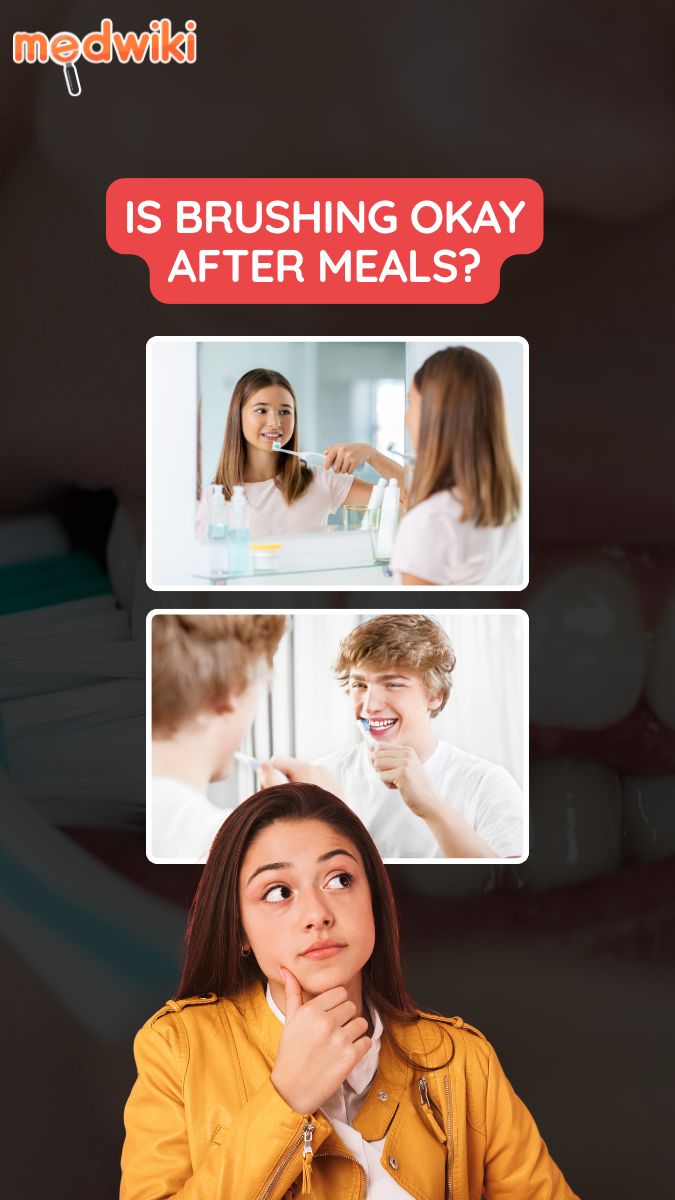
Can brushing after meals cause damage?
Mrs. Prerna Trivedi
Nutritionist

6 Simple Ways to Get Rid of Bad Breath Naturally!
Mrs. Prerna Trivedi
Nutritionist

Know Us
@2026 Medwiki Pvt Ltd. All Rights Reserved