

1:15
Yes, mixing different workouts can lead to better fitness results. Here's why: - **Balanced Muscle Development**: Different workouts target various muscle groups, ensuring balanced muscle development and reducing the risk of overuse injuries. - **Improved Overall Fitness**: Combining cardio, strength training, flexibility, and balance exercises can enhance your overall fitness, making you stronger, faster, and more agile. - **Prevents Boredom**: Mixing up your routine keeps workouts interesting and fun, which can help you stay motivated and consistent. - **Boosts Metabolism**: Varied workouts can keep your metabolism active, helping you burn more calories even when you're not exercising. - **Enhances Skill Development**: Trying different activities can improve your coordination, agility, and other physical skills. ### Tips for Mixing Workouts: - **Plan a Weekly Routine**: Include a mix of cardio, strength, and flexibility exercises. - **Listen to Your Body**: Ensure you have rest days to allow your body to recover. - **Set Goals**: Tailor your workout mix to meet specific fitness goals, like building strength or improving endurance. By incorporating a variety of workouts, you can achieve a well-rounded fitness level and enjoy the benefits of a healthier lifestyle.
1:15
Taking a break from digital devices, known as a digital detox, can offer several benefits for your mental and physical well-being: - **Improves Sleep Quality**: Reducing screen time, especially before bed, can help you fall asleep faster and enjoy deeper, more restful sleep. - **Reduces Stress and Anxiety**: Constant notifications and the pressure to stay connected can be overwhelming. A digital detox can help lower stress levels and promote relaxation. - **Enhances Focus and Productivity**: Without the distraction of digital devices, you can concentrate better on tasks, leading to increased productivity and creativity. - **Boosts Mood and Mental Health**: Taking a break from social media can reduce feelings of inadequacy and comparison, leading to improved self-esteem and a more positive outlook. - **Encourages Real-Life Connections**: Spending less time on screens allows you to engage more with family and friends, strengthening your relationships and social skills. - **Promotes Physical Activity**: Without the lure of screens, you're more likely to engage in physical activities, which are beneficial for your overall health. ### Tips for a Successful Digital Detox: - **Set Clear Goals**: Decide how long your detox will last and what you hope to achieve. - **Plan Activities**: Fill your time with hobbies, exercise, or socializing to make the detox enjoyable. - **Limit Device Use Gradually**: Start by reducing screen time slowly to make the transition easier. Taking a digital detox can be a refreshing way to reconnect with yourself and the world around you, leading to a healthier and more balanced lifestyle.
1:15
Blue light from phones can affect your sleep in several ways: - **Disrupts Melatonin Production**: Blue light interferes with the production of melatonin, the hormone that helps regulate your sleep-wake cycle. This can make it harder to fall asleep. - **Delays Sleep Onset**: Exposure to blue light before bedtime can trick your brain into thinking it's still daytime, delaying the feeling of sleepiness and making it difficult to fall asleep at your usual time. - **Reduces Sleep Quality**: Even if you manage to fall asleep, blue light exposure can lead to lighter, less restorative sleep, leaving you feeling tired the next day. ### Tips to Minimize Blue Light Impact: - **Use Night Mode**: Many devices have a night mode that reduces blue light emission. - **Limit Screen Time**: Try to avoid screens at least an hour before bed. - **Wear Blue Light Glasses**: These can help filter out blue light if you need to use your phone at night. By managing your exposure to blue light, you can help ensure a better night's sleep and wake up feeling more refreshed.
1:15
The amount of water you should drink daily can vary based on factors like age, activity level, and climate. However, a common guideline is the "8x8 rule," which suggests drinking eight 8-ounce glasses of water a day, totaling about 2 liters or half a gallon. Here are some tips to help you stay hydrated: - **Listen to Your Body**: Drink when you're thirsty and pay attention to signs of dehydration, like dry mouth or fatigue. - **Consider Activity Level**: If you're active or exercising, you may need more water to stay hydrated. - **Factor in Climate**: Hot or humid weather can increase your need for water. - **Include Other Sources**: Remember that fruits, vegetables, and other beverages also contribute to your daily water intake. Staying hydrated is important for maintaining energy levels, supporting digestion, and keeping your body functioning well. So, keep a water bottle handy and sip throughout the day!
1:15
Yes, even just 5 minutes of stretching can help prevent injuries, especially if done regularly. Here's how: - **Increases Flexibility**: Stretching helps improve the flexibility of your muscles and joints, making them less prone to strains and sprains. - **Enhances Blood Flow**: It boosts circulation to your muscles, which can help them recover faster and reduce the risk of injury. - **Prepares Your Body**: Stretching warms up your muscles, preparing them for physical activity and reducing the chance of sudden injuries. - **Improves Posture**: Regular stretching can help correct muscle imbalances, leading to better posture and less strain on your body. ### Quick Tips for Effective Stretching: - Focus on major muscle groups like your legs, back, and shoulders. - Hold each stretch for about 15-30 seconds. - Avoid bouncing; stretch gently and steadily. - Listen to your body and stop if you feel pain. Incorporating a short stretching routine into your daily activities can be a simple yet effective way to keep your body healthy and injury-free!
1:15
Hey there! Let's talk about Povidot 10% Solution, which is a type of antiseptic. Here's what you need to know: - **Uses**: It's mainly used to clean and disinfect wounds, cuts, and scrapes to prevent infections. - **Administration**: You apply it directly to the skin. Make sure the area is clean and dry before using it. - **Safety Precautions**: Avoid using it on large areas of the body or on deep wounds. Keep it away from your eyes and mouth. If you have any allergies, check with a healthcare provider first. Stay safe and take care!
1:15
Protein is essential for building and repairing tissues, and there are plenty of tasty foods packed with it! Here are some high-protein options you might enjoy: - **Chicken Breast**: A lean source of protein that's versatile and easy to cook. - **Eggs**: Not only high in protein but also rich in essential nutrients. - **Fish**: Options like salmon and tuna are not only high in protein but also contain healthy fats. - **Beans and Lentils**: Great plant-based protein sources, perfect for soups and salads. - **Greek Yogurt**: Offers more protein than regular yogurt and is delicious with fruits or honey. - **Nuts and Seeds**: Almonds, peanuts, and chia seeds are great for snacking and adding to meals. - **Tofu and Tempeh**: Excellent for vegetarians and can be used in a variety of dishes. Including a mix of these foods in your diet can help you meet your protein needs and keep you feeling full and energized!
1:15
Vomitan 2mg Oral Drops are primarily used to treat nausea and vomiting. This medication works by blocking certain signals in the brain that trigger these symptoms. **Dosage:** - The usual dose for children is determined by their weight and age, so it's important to follow your healthcare provider's instructions. - For adults, the typical dose is 2mg taken as needed, but not exceeding the recommended daily limit. **Side Effects:** - Common side effects may include drowsiness, dry mouth, or dizziness. - If you experience severe side effects like difficulty breathing or swelling, seek medical attention immediately. Always consult with a healthcare professional before starting any new medication to ensure it's safe for you.
Shorts
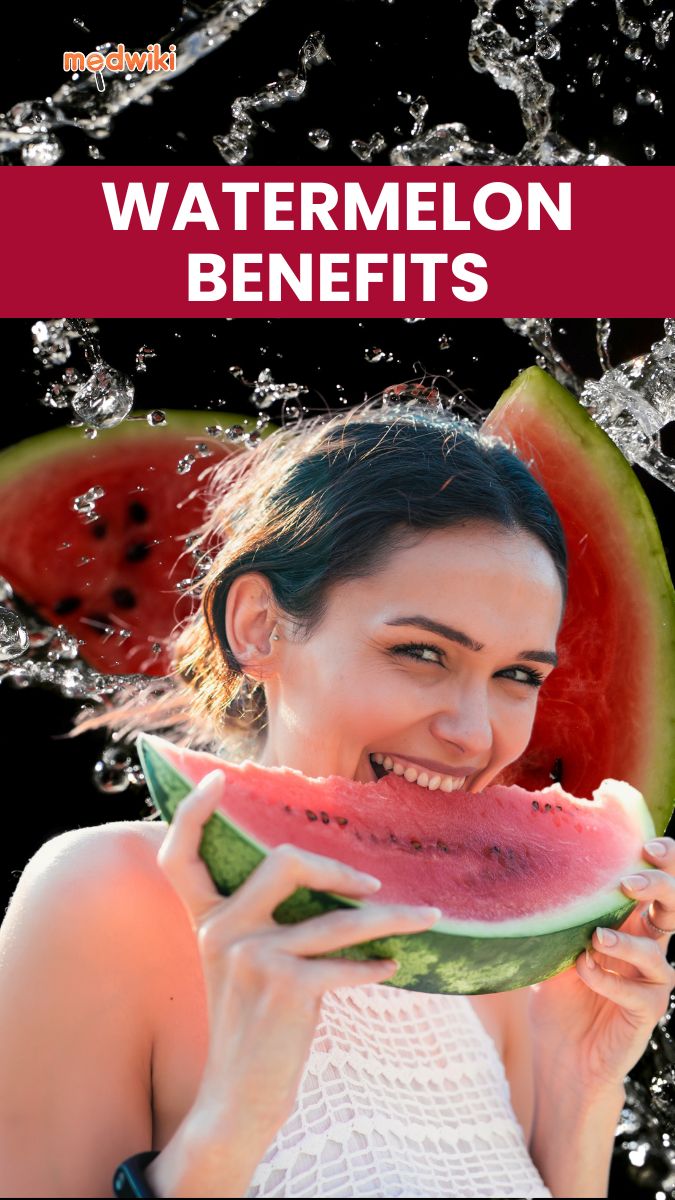
Watermelon Benefits! Stay Hydrated and Healthy in Summer!

Mrs. Prerna Trivedi
Nutritionist

How Can Bael Fruit Keep You Cool And Healthy This Summer?

Drx. Salony Priya
MBA (Pharmaceutical Management)
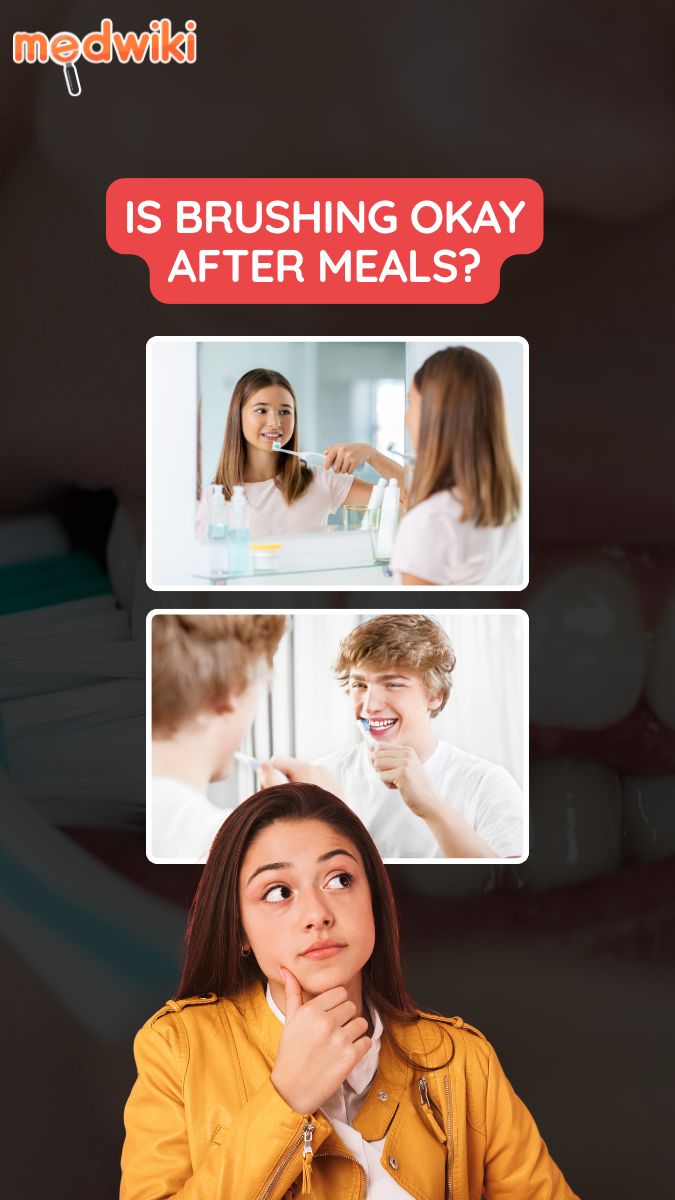
Can brushing after meals cause damage?
Mrs. Prerna Trivedi
Nutritionist

6 Simple Ways to Get Rid of Bad Breath Naturally!
Mrs. Prerna Trivedi
Nutritionist

Know Us
@2026 Medwiki Pvt Ltd. All Rights Reserved