

1:15
Yes, it's important to finish the entire course of medication, even if you start feeling better. Here's why: - **Complete Treatment**: Stopping early might not fully treat the infection or illness, allowing it to come back. - **Prevent Resistance**: Not finishing antibiotics, for example, can lead to antibiotic resistance, making future infections harder to treat. - **Doctor's Advice**: Always follow your doctor's instructions on medication duration. If you have concerns about your medication, talk to your doctor or pharmacist for guidance.
1:15
Povidot 10% Ointment is a topical antiseptic used to prevent infections in minor cuts, scrapes, and burns. Here's what you need to know: - **Uses**: It helps kill bacteria and prevent infections in small wounds. - **Application**: Clean the affected area, apply a small amount of ointment, and cover with a bandage if needed. - **Safety Precautions**: - Avoid using on large areas of the body or deep wounds. - Don't use if you're allergic to iodine. - If irritation occurs, stop using and consult a doctor. Always follow the instructions on the package or from your healthcare provider.
1:15
Staying hydrated is important for your overall health, and the amount of water you need can vary based on factors like age, activity level, and climate. However, a common guideline is to aim for about **8 glasses of water a day**, which is roughly 2 liters or half a gallon. This is often referred to as the "8x8 rule." Here are some tips to help you stay hydrated: - **Listen to Your Body**: Drink when you're thirsty. Your body is pretty good at signaling when it needs water. - **Consider Your Activity Level**: If you're active or exercising, you might need more water to replace fluids lost through sweat. - **Check Your Urine**: A light yellow color usually indicates you're well-hydrated. - **Eat Water-Rich Foods**: Foods like fruits and vegetables can also contribute to your daily water intake. Remember, everyone's needs are different, so it's important to adjust your water intake based on your personal needs and lifestyle. If you're unsure, it's always a good idea to consult with a healthcare professional. Stay hydrated! 💧
1:15
Exercise is a fantastic way to boost both your mood and energy levels. Here's how it works: 1. **Releases Endorphins**: When you exercise, your body releases chemicals called endorphins. These are often referred to as "feel-good" hormones because they can help reduce feelings of stress and anxiety, leaving you feeling happier and more relaxed. 2. **Increases Energy**: Regular physical activity improves your cardiovascular system, making your heart and lungs work more efficiently. This means more oxygen and nutrients are delivered to your tissues, boosting your energy levels. 3. **Reduces Fatigue**: Exercise can help combat feelings of tiredness by improving your overall stamina and endurance. Over time, you'll find you have more energy to tackle daily tasks. 4. **Improves Sleep**: Engaging in regular physical activity can help you fall asleep faster and enjoy deeper sleep, which in turn boosts your energy levels during the day. 5. **Boosts Confidence**: Achieving fitness goals, no matter how small, can improve your self-esteem and confidence, contributing to a better mood. 6. **Provides a Mental Break**: Exercise can serve as a distraction from daily worries, giving your mind a break and helping you return to tasks with a fresh perspective. Incorporating even short bursts of exercise, like a brisk walk or a quick dance session, into your daily routine can make a big difference in how you feel both mentally and physically. So, get moving and enjoy the benefits! 😊
1:15
Hey there! When it comes to gaining weight, it's important to focus on a healthy and balanced approach rather than just relying on tablets. Here are some tips: - **Consult a Doctor**: Before considering any supplements, it's best to talk to a healthcare professional. - **Nutritional Supplements**: Some people use protein powders or shakes to help increase calorie intake. - **Balanced Diet**: Eating more calories from nutritious foods like nuts, avocados, and whole grains can help. - **Exercise**: Strength training can help build muscle mass, which contributes to healthy weight gain. Remember, it's always best to seek advice from a healthcare provider to find the right approach for you!
1:15
Caflam is a brand name for the drug diclofenac, which is a type of medication called a nonsteroidal anti-inflammatory drug (NSAID). Here's what you should know about it: - **Purpose & Uses**: It's used to relieve pain and reduce inflammation. It's often prescribed for conditions like arthritis, muscle pain, and menstrual cramps. - **Dosing & Administration**: Always follow the doctor's instructions. It's usually taken by mouth with a full glass of water. Don't lie down for at least 10 minutes after taking it. - **Safety Warnings**: - It can cause stomach upset, so take it with food or milk. - Long-term use can increase the risk of heart attack or stroke. - Avoid using it if you have a history of stomach ulcers or bleeding. Always talk to a healthcare provider before starting any new medication.
1:15
Doliprane 650mg tablets contain paracetamol, a common medication used to relieve pain and reduce fever. They are often used for headaches, muscle aches, arthritis, backaches, toothaches, colds, and fevers. The usual adult dose is one tablet every 4 to 6 hours, not exceeding 4,000 mg (or about 6 tablets) in 24 hours. It's important to follow the dosage instructions on the package or as directed by a healthcare professional to avoid liver damage, a serious side effect of overdose. Avoid alcohol while taking Doliprane, as it can increase the risk of liver damage. Always consult with a healthcare provider if you have liver disease or are taking other medications to ensure safety.
1:15
Anawin Heavy 5mg Injection contains Bupivacaine, a local anesthetic used to numb specific areas of the body during surgeries or medical procedures. It works by blocking nerve signals in the body, providing pain relief. **Purpose & Uses:** - Primarily used for surgical anesthesia and pain management. - Commonly administered during childbirth, dental procedures, or minor surgeries. **Dosing & Administration:** - Administered by a healthcare professional, usually injected near the nerves in the area requiring numbness. - Dosage varies based on the procedure, patient’s health, and response to the drug. **Safety & Precautions:** - Inform your doctor about any allergies or medical conditions. - Not recommended for patients with certain heart conditions or allergies to local anesthetics. - Possible side effects include dizziness, nausea, or temporary numbness.
Shorts

Watermelon Benefits! Stay Hydrated and Healthy in Summer!

Mrs. Prerna Trivedi
Nutritionist

How Can Bael Fruit Keep You Cool And Healthy This Summer?

Drx. Salony Priya
MBA (Pharmaceutical Management)
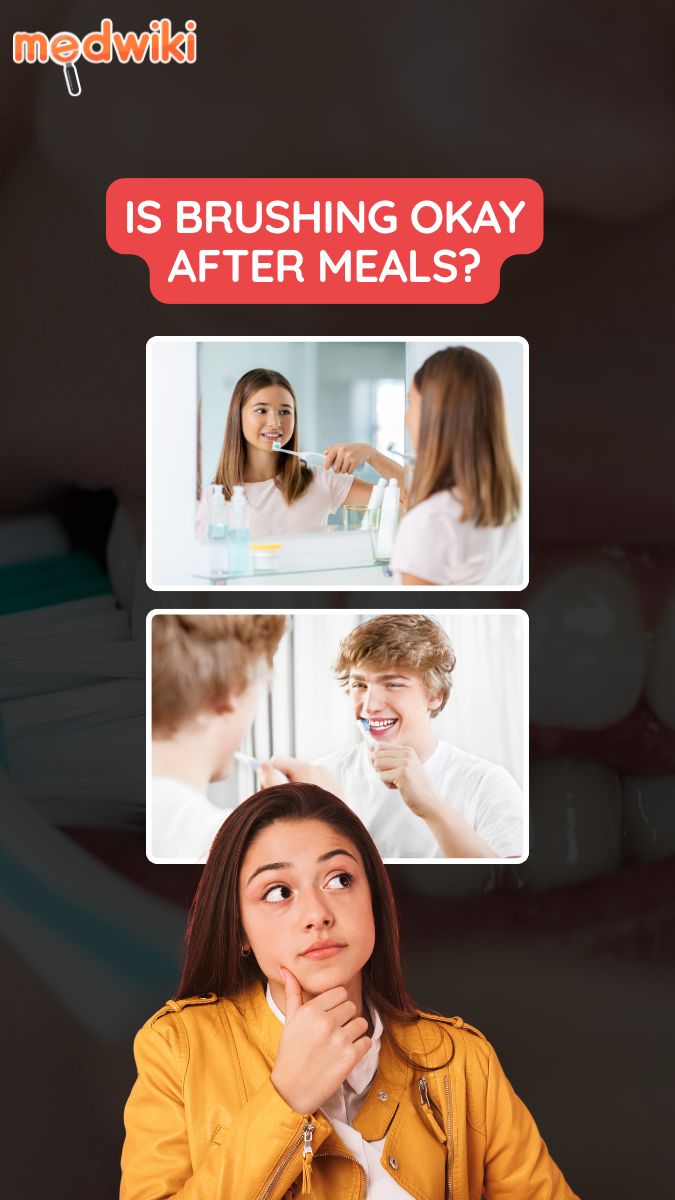
Can brushing after meals cause damage?
Mrs. Prerna Trivedi
Nutritionist

6 Simple Ways to Get Rid of Bad Breath Naturally!
Mrs. Prerna Trivedi
Nutritionist

Know Us
@2026 Medwiki Pvt Ltd. All Rights Reserved