

1:15
Diclofenac sodium is a medication used to relieve pain and reduce inflammation. It's often prescribed for conditions like arthritis, muscle pain, and migraines. Here's what you should know: - **Purpose**: It helps reduce swelling and pain in joints and muscles. - **Uses**: Commonly used for arthritis, back pain, and menstrual cramps. - **Dosing**: Follow your doctor's instructions. It's usually taken 2-3 times a day with food to avoid stomach upset. - **Administration**: Available as tablets, gels, or patches. Always use as directed. - **Safety**: Can cause stomach issues, so avoid alcohol and smoking. Not recommended for long-term use without medical advice.
1:15
Diclofenac sodium is a medication used to relieve pain and reduce inflammation. Here's a quick guide: - **Uses**: It's commonly used for conditions like arthritis, muscle pain, and migraines. It helps reduce swelling and pain in the affected areas. - **Dosing**: The dosage depends on the condition being treated. It's usually taken orally, and it's important to follow the doctor's instructions or the label on the package. - **Safety Warnings**: - **Stomach Issues**: It can cause stomach upset or ulcers, so it's often taken with food or milk. - **Heart Risks**: Long-term use may increase the risk of heart attack or stroke. - **Allergic Reactions**: Some people may experience allergic reactions, like rashes or breathing difficulties. Always talk to a healthcare provider before starting or stopping any medication to ensure it's safe for you.
1:15
**Nitrosun 5mg Tablets: What You Need to Know** - **Uses**: Nitrosun 5mg contains Nitrazepam, which is used to treat insomnia, a condition where you have trouble sleeping. It helps you fall asleep faster and stay asleep longer. - **Dosage**: Always follow your doctor's instructions. Typically, it's taken before bedtime. Never take more than prescribed, as it can be harmful. - **Safety Precautions**: - **Avoid Alcohol**: Mixing with alcohol can increase drowsiness. - **Not for Long-Term Use**: It's usually prescribed for short periods. - **Side Effects**: May cause dizziness or drowsiness. Be cautious when driving or using machinery. Always consult a healthcare professional for personalized advice.
1:15
Using your bed for activities like studying or watching shows can affect your sleep and productivity. Here's why it's generally not recommended: 1. **Sleep Association**: - Your brain associates the bed with sleep. Using it for other activities can confuse this association, making it harder to fall asleep at night. 2. **Posture Issues**: - Sitting or lying in bed for extended periods can lead to poor posture, causing back or neck pain. 3. **Reduced Productivity**: - The comfort of your bed might make it easier to get distracted or feel sleepy, reducing your focus and productivity. 4. **Sleep Quality**: - Engaging in stimulating activities like watching shows can make it harder to wind down, affecting your ability to get restful sleep. 5. **Mental Health**: - Keeping a clear boundary between work and rest spaces can help reduce stress and improve mental well-being. For better sleep and productivity, try to reserve your bed for sleeping and use a desk or table for studying and watching shows. This separation can help maintain a healthy routine and improve both your focus and sleep quality.
1:15
Using your bed for activities like studying or watching shows can blur the lines between work and rest, which might affect your sleep quality. Here's why it's generally not recommended: 1. **Sleep Association**: - Your brain associates the bed with sleep. Using it for other activities can confuse this association, making it harder to fall asleep at night. 2. **Posture Issues**: - Sitting or lying in bed for extended periods can lead to poor posture, causing back or neck pain. 3. **Reduced Productivity**: - The comfort of your bed might make it easier to get distracted or feel sleepy, reducing your focus and productivity. 4. **Sleep Quality**: - Engaging in stimulating activities like watching shows can make it harder to wind down, affecting your ability to get restful sleep. 5. **Mental Health**: - Keeping a clear boundary between work and rest spaces can help reduce stress and improve mental well-being. For better sleep and productivity, try to reserve your bed for sleeping and use a desk or table for studying and watching shows. This separation can help maintain a healthy routine and improve both your focus and sleep quality.
1:15
Hey there! It's unlikely that the tea itself caused your fever. Here's why: - **Fever** is usually a sign that your body is fighting off an infection, like a cold or the flu. - **Tea** is generally safe and doesn't cause fevers. However, if you added something unusual to your tea or if it was contaminated, it might cause a reaction. - **Allergies**: If you're allergic to an ingredient in the tea, it could cause symptoms, but fever isn't a common one. If your fever persists or you feel unwell, it's a good idea to talk to a parent or see a doctor. Stay hydrated and rest up!
1:15
Alcohol can have several effects on bone health, especially if consumed in large amounts over time. Here's how it can impact your bones: - **Bone Density**: Alcohol can interfere with the balance of calcium, a vital mineral for bone strength, leading to decreased bone density. - **Hormonal Changes**: It can affect hormones like estrogen and testosterone, which are important for bone growth and maintenance. - **Nutrient Absorption**: Alcohol can hinder the absorption of nutrients like vitamin D, which is crucial for calcium absorption and bone health. - **Bone Formation**: Excessive drinking can slow down the production of new bone, making bones weaker and more prone to fractures. - **Risk of Falls**: Alcohol can impair balance and coordination, increasing the risk of falls and bone injuries. To keep your bones healthy, it's best to consume alcohol in moderation and maintain a balanced diet rich in calcium and vitamin D. If you have concerns about your bone health, it's a good idea to talk to a healthcare professional.
1:15
It's important to know that alcohol, including whisky, can affect bone health. For someone with osteopenia, which is a condition where bones are weaker than normal, it's best to be cautious with alcohol consumption. - **Alcohol and Bones**: Drinking too much alcohol can make bones weaker and increase the risk of fractures. - **General Advice**: It's usually recommended to limit alcohol to no more than one drink per day for women and two for men. However, with osteopenia, even less might be better. - **Talk to a Doctor**: Always check with a healthcare provider for advice tailored to your specific health needs.
Shorts

Watermelon Benefits! Stay Hydrated and Healthy in Summer!

Mrs. Prerna Trivedi
Nutritionist

How Can Bael Fruit Keep You Cool And Healthy This Summer?

Drx. Salony Priya
MBA (Pharmaceutical Management)
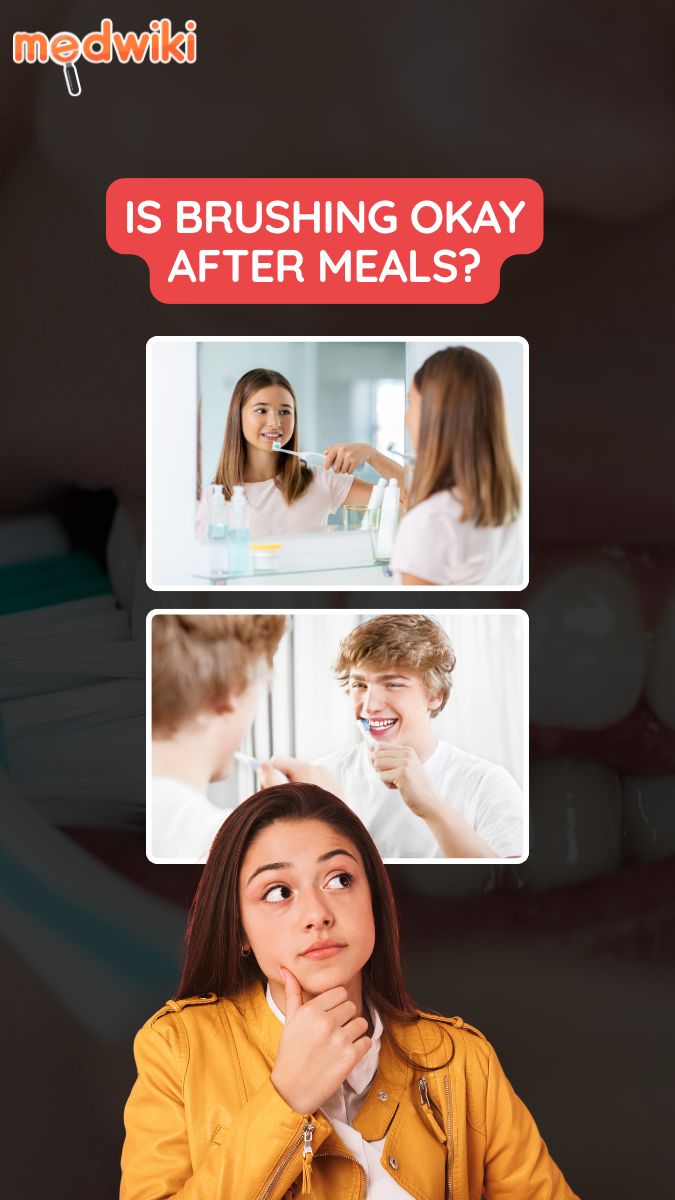
Can brushing after meals cause damage?
Mrs. Prerna Trivedi
Nutritionist
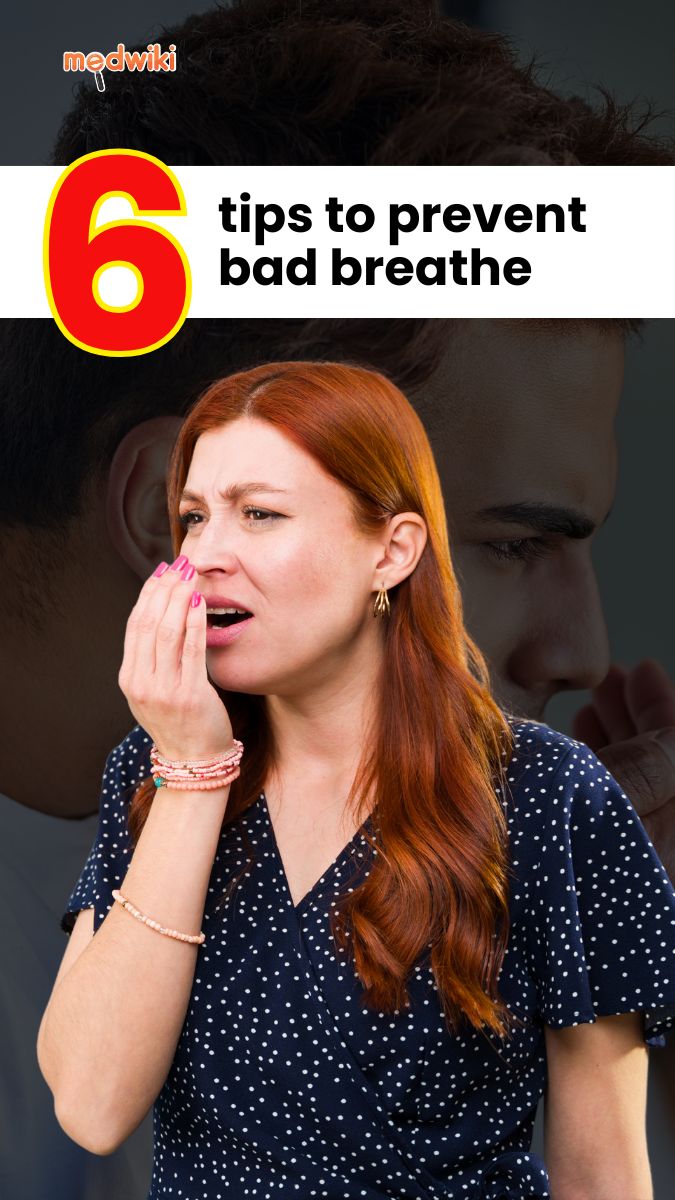
6 Simple Ways to Get Rid of Bad Breath Naturally!
Mrs. Prerna Trivedi
Nutritionist

Know Us
@2026 Medwiki Pvt Ltd. All Rights Reserved