


1:15
Castor oil has been used as a natural remedy since ancient times. From relieving constipation to antimicrobial properties, it is used for treating issues like wounds, eye problems, and rheumatic diseases. Some of the uses are:Relief from Constipation: It is a strong laxative. The ricinoleic acid in the oil forms sodium and potassium salts in the intestine, which irritate the intestinal membranes and increase peristalsis, aiding in bowel movements.Improves skin health: Castor oil works as a moisturizer by forming a protective layer on the skin, preventing water loss and keeping the skin hydrated. This helps replenish the deeper layers of the skin when applied.Promote hair growth: It is commonly used to fight hair loss and scalp problems like dandruff. It works by deeply penetrating the scalp and hair, revitalizing and restoring overall hair health.Helps Induce Labor: Castor oil naturally induce labor by increasing the production of prostaglandins (important compounds in pregnancy and labor), leading to stimulation of the cervix.Relief joint pain: It’s anti-inflammatory properties can help reduce swelling and alleviate discomfort linked to conditions such as arthritis and joint pain.Source:-"1. Harwood A, Nassereddin A, Krishnamurthy K.[Moisturizers](https://www.ncbi.nlm.nih.gov/books/NBK545171/). In:*StatPearls*. StatPearls Publishing; 2023.2. Patel N, Kashyap S, Mori A.[Bowel preparation](https://www.ncbi.nlm.nih.gov/books/NBK535368/). In: StatPearls. StatPearls Publishing; 2023.3. Moradi M, Niazi A, Mazloumi E, Lopez V.[Effect of castor oil on cervical ripening and labor induction: a systematic review and meta-analysis](https://www.journal-jop.org/journal/view.html?doi=10.3831/KPI.2022.25.2.71). J Pharmacopuncture. 2022;25(2):71-78.doi: 10.3831/KPI.2022.25.2.71."

1:15
What other superfoods or dietary habits do you think contribute to maintaining healthy and youthful skin?Superfoods are:Broccoli - The Anti-Inflammatory Marvel:Rich in vitamin C and K, antioxidants, calcium, fiber, and lutein.Essential for collagen production, providing strength and elasticity to the skin.Fights inflammation and contributes to an anti-aging diet.Avocado - Creamy Skin Elixir:Packed with fatty acids, potassium, and vitamins A, B, C, E, and K.Promotes smooth, supple skin and prevents signs of aging.Vitamin A aids in shedding dead skin cells, while carotenoids protect against toxins and sun damage.Blueberries - Age-Defying Berries:Rich in vitamins A and C, along with the antioxidant anthocyanin.Shields the skin from sun, pollution, and stress-induced damage.Controls inflammation and safeguards collagen, promoting a youthful complexion.Sweet Potatoes - Beta-Carotene Boost:Abundant in beta-carotene, converting into skin-friendly vitamin A.Maintains skin elasticity, youthfulness, and protects against free radicals.Contains vitamins C and E, working together for radiant skin.Source:- https://glycanage.com/self-care/lifestyle/anti-ageing-foodsDisclaimer:- This information is intended to supplement, not substitute, advice from your healthcare provider or doctor. It does not cover all possible uses, precautions, interactions, or side effects, and may not be appropriate for your specific healthcare needs. Always consult with your doctor or another qualified healthcare provider before modifying or discontinuing any prescribed portion of your healthcare plan or treatment, in order to determine the best course of therapy for you. Do not ignore or delay professional medical advice based on anything you have seen or read on Medwiki.Find us at:https://www.instagram.com/medwiki_/?h...https://twitter.com/medwiki_inchttps://www.facebook.com/medwiki.co.in/
1:15
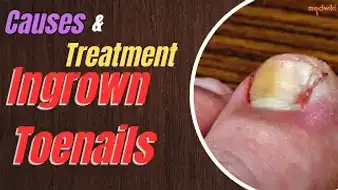
What are some additional home remedies or practices you think might be helpful in alleviating the discomfort and promoting healing for ingrown toenails?Dealing with Ingrown Toenails:Causes:Improper nail trimming, tight shoes, injury, genetics, or fungal infections can lead to ingrown toenails.Preventive Measures:Take care of toenails and wear properly fitting, comfortable shoes.Soaking Solution:Soak the affected foot in warm water for 15-20 minutes, three to four times daily.Aids in reducing pain and swelling.Gentle Lifting Technique:Gently lift the edge of the ingrown nail.Place a small piece of cotton or dental floss underneath to encourage growth above the skin.Pain Relief:Take over-the-counter pain relievers like ibuprofen or acetaminophen.Helps in reducing pain and swelling.Medical Attention:For severe or infected ingrown toenails, seek professional medical attention.A podiatrist or healthcare professional may trim or remove the nail and prescribe antibiotics if needed.Disclaimer:- This information is intended to supplement, not substitute, advice from your healthcare provider or doctor. It does not cover all possible uses, precautions, interactions, or side effects, and may not be appropriate for your specific healthcare needs. Always consult with your doctor or another qualified healthcare provider before modifying or discontinuing any prescribed portion of your healthcare plan or treatment, in order to determine the best course of therapy for you. Do not ignore or delay professional medical advice based on anything you have seen or read on Medwiki.Find us at:https://www.instagram.com/medwiki_/?h…https://twitter.com/medwiki_inchttps://www.facebook.com/medwiki.co.in/

1:15
Research suggests that low nicotine and nicotine-free cigarettes may not be significantly less harmful to smokers compared to regular cigarettes.A study published in JAMA Internal Medicine in 2015 investigated the impact of smoking reduced-nicotine cigarettes on 840 participants over six weeks. The researchers found that although participants reduced their nicotine intake, they did not significantly decrease the number of cigarettes smoked per day, and there were no substantial improvements in their carbon monoxide levels or smoking-related biomarkers.Another study, published in the New England Journal of Medicine in 2019, examined the effects of using nicotine-free e-cigarettes among 135 participants over four weeks. The reason for the lack of significant changes in carbon monoxide levels, lung function, or respiratory symptoms among participants using nicotine-free e-cigarettes is not entirely clear. One possibility is that while e-cigarettes do not contain tobacco, they still contain harmful chemicals such as flavorings and solvents that can have adverse effects on health.These studies suggest that while low nicotine and nicotine-free cigarettes may help reduce nicotine consumption, they do not necessarily lead to substantial health improvements. All tobacco products, including alternatives, contain harmful substances such as tar and toxic chemicals that can lead to health problems like cancer and cardiovascular diseases.Ultimately, the best course of action for smokers is to quit entirely or seek evidence-based smoking cessation methods to protect their health and reduce the risks associated with tobacco use.Source:- https://pubmed.ncbi.nlm.nih.gov/18535053/Disclaimer:- This information is intended to supplement, not substitute, advice from your healthcare provider or doctor. It does not cover all possible uses, precautions, interactions, or side effects, and may not be appropriate for your specific healthcare needs. Always consult with your doctor or another qualified healthcare provider before modifying or discontinuing any prescribed portion of your healthcare plan or treatment, in order to determine the best course of therapy for you. Do not ignore or delay professional medical advice based on anything you have seen or read on Medwiki.Find us at:https://www.instagram.com/medwiki_/?h...https://twitter.com/medwiki_inchttps://www.facebook.com/medwiki.co.in/

1:15
How does the body regulate the amount of glucose, and what role do insulin and glucagon play in this process?Some keys are :-The pancreas secretes digestive enzymes and hormones like insulin and glucagon into the bloodstream.After a meal, glucose levels rise, signaling beta cells in the pancreas to release insulin.Insulin enables glucose to enter cells, where it is either burned for energy or stored.If blood glucose decreases, the pancreas releases glucagon, prompting the liver to release glucose.Between meals, blood glucose and insulin levels decrease, and the pancreas reduces insulin production.Disclaimer:- This information is intended to supplement, not substitute, advice from your healthcare provider or doctor. It does not cover all possible uses, precautions, interactions, or side effects, and may not be appropriate for your specific healthcare needs. Always consult with your doctor or another qualified healthcare provider before modifying or discontinuing any prescribed portion of your healthcare plan or treatment, in order to determine the best course of therapy for you. Do not ignore or delay professional medical advice based on anything you have seen or read on Medwiki.Find us at:https://www.instagram.com/medwiki_/?h...https://twitter.com/medwiki_inchttps://www.facebook.com/medwiki.co.in/

1:15
Have you ever experienced symptoms of vertigo or dizziness, and if so, did you try any home remedies or seek medical advice for relief?These follow are :-Benign Paroxysmal Positional Vertigo (BPPV):Common vestibular disorder affecting the inner ear.Characterized by brief episodes of vertigo triggered by specific head movements.Otoconia and Inner Ear:Otoconia are calcium crystals naturally present in the inner ear.Displacement of these crystals into the semicircular canals causes BPPV symptoms.Causes of Otoconia Displacement:Factors like degeneration, detachment, aging, and environmental influences contribute to otoconia formation.BPPV Symptoms:Include vertigo (spinning sensation), dizziness, nystagmus (involuntary eye movements), and imbalance.Challenges in maintaining balance during activities such as walking or changing positions.Home Remedies for BPPV:Avoid quick head movements.Sleep with an extra pillow.Stay hydrated.Consultation with Healthcare Professional:If experiencing symptoms of vertigo or suspecting BPPV, it is advisable to seek consultation with a healthcare professional.Disclaimer:- This information is intended to supplement, not substitute, advice from your healthcare provider or doctor. It does not cover all possible uses, precautions, interactions, or side effects, and may not be appropriate for your specific healthcare needs. Always consult with your doctor or another qualified healthcare provider before modifying or discontinuing any prescribed portion of your healthcare plan or treatment, in order to determine the best course of therapy for you. Do not ignore or delay professional medical advice based on anything you have seen or read on Medwiki.Find us at:https://www.instagram.com/medwiki_/?h...https://twitter.com/medwiki_inchttps://www.facebook.com/medwiki.co.in/

1:15
Have you ever tried incorporating yoga or specific poses into your morning routine for digestive health, and if so, what has been your experience with these practices?Yoga Poses for Morning Routine :-Wind-Relieving Pose for Gas Relief:Yoga offers a natural remedy for morning bloating and gas buildup.Wind-Relieving Pose or Pawan muktasana is effective in relieving stomach discomfort.Pose Execution:Start by lying on your back with legs extended and arms by your sides.Bend the right knee, bringing it towards the chest, and hug it with both hands.Keep the left leg extended on the floor.Breathing Technique:Inhale as you lift your head, bringing the nose towards the knee.Exhale and release the head back to the floor.Repeat the inhale-lift and exhale-release sequence for 5-10 breaths.Switching Legs:Release the right leg and repeat steps 2-3 with the left leg.Benefits:Promotes the release of gas buildup.Improves digestion and alleviates discomfort and bloating.Try and Feel the Difference:Incorporate this morning yoga pose into your routine and observe the positive effects on your digestive comfort.Disclaimer:- This information is intended to supplement, not substitute, advice from your healthcare provider or doctor. It does not cover all possible uses, precautions, interactions, or side effects, and may not be appropriate for your specific healthcare needs. Always consult with your doctor or another qualified healthcare provider before modifying or discontinuing any prescribed portion of your healthcare plan or treatment, in order to determine the best course of therapy for you. Do not ignore or delay professional medical advice based on anything you have seen or read on Medwiki.Find us at:https://www.instagram.com/medwiki_/?h...https://twitter.com/medwiki_inchttps://www.facebook.com/medwiki.co.in/
1:15
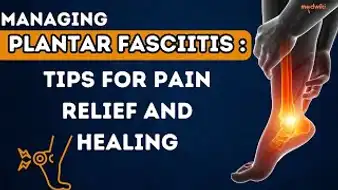
What are some additional self-care measures or lifestyle adjustments that individuals with plantar fasciitis can consider to manage symptoms and promote healing?These tips are :-Rest and Activity Reduction:Avoid or limit activities that worsen pain, particularly those exerting pressure on the feet.Ice Therapy:Apply ice to the affected area for 15-20 minutes multiple times a day to reduce inflammation and alleviate pain.Stretching Exercises:Engage in regular stretching exercises targeting the calf muscles and plantar fascia to relieve tension and support healing.Supportive Footwear:Option for shoes with proper arch support, cushioning, and shock absorption to mitigate the impact. Avoid unsupportive footwear and high heels.Orthotic Devices:Consider using shoe inserts or orthotic devices to provide extra support and reduce pressure on the plantar fascia.Pain Relief:Use over-the-counter NSAIDs like ibuprofen or naproxen sodium for pain and inflammation reduction, after consulting with a healthcare professional.Physical Therapy:If pain persists, seek assistance from a physical therapist who can offer tailored exercises, stretches, and techniques to improve symptoms and enhance foot strength and flexibility.Avoid Barefoot Walking:Refrain from walking barefoot or on hard surfaces without adequate support. Choose supportive footwear even when indoors.Disclaimer:- This information is intended to supplement, not substitute, advice from your healthcare provider or doctor. It does not cover all possible uses, precautions, interactions, or side effects, and may not be appropriate for your specific healthcare needs. Always consult with your doctor or another qualified healthcare provider before modifying or discontinuing any prescribed portion of your healthcare plan or treatment, in order to determine the best course of therapy for you. Do not ignore or delay professional medical advice based on anything you have seen or read on Medwiki.Find us at:https://www.instagram.com/medwiki_/?h...https://twitter.com/medwiki_inchttps://www.facebook.com/medwiki.co.in/
Shorts
Watermelon Benefits! Stay Hydrated and Healthy in Summer!

Mrs. Prerna Trivedi
Nutritionist

How Can Bael Fruit Keep You Cool And Healthy This Summer?

Drx. Salony Priya
MBA (Pharmaceutical Management)
Can brushing after meals cause damage?
Mrs. Prerna Trivedi
Nutritionist
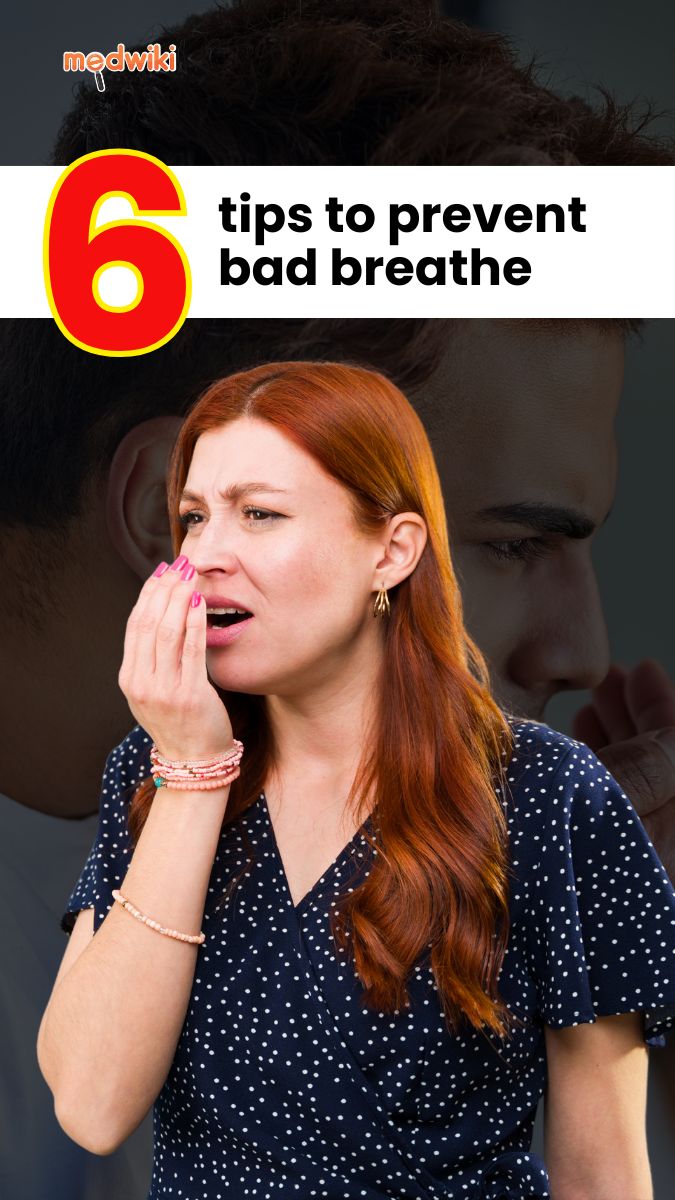
6 Simple Ways to Get Rid of Bad Breath Naturally!
Mrs. Prerna Trivedi
Nutritionist

Know Us
@2026 Medwiki Pvt Ltd. All Rights Reserved