

1:15
Megaburn 120mg Capsule contains Orlistat, which helps in weight management by blocking fat absorption in the body. It's typically taken with meals, up to three times a day. Common side effects include digestive issues like oily stools. It's important to follow a balanced, low-fat diet while using this medication. Always consult a healthcare provider before starting Megaburn to ensure it's safe for you.
1:15
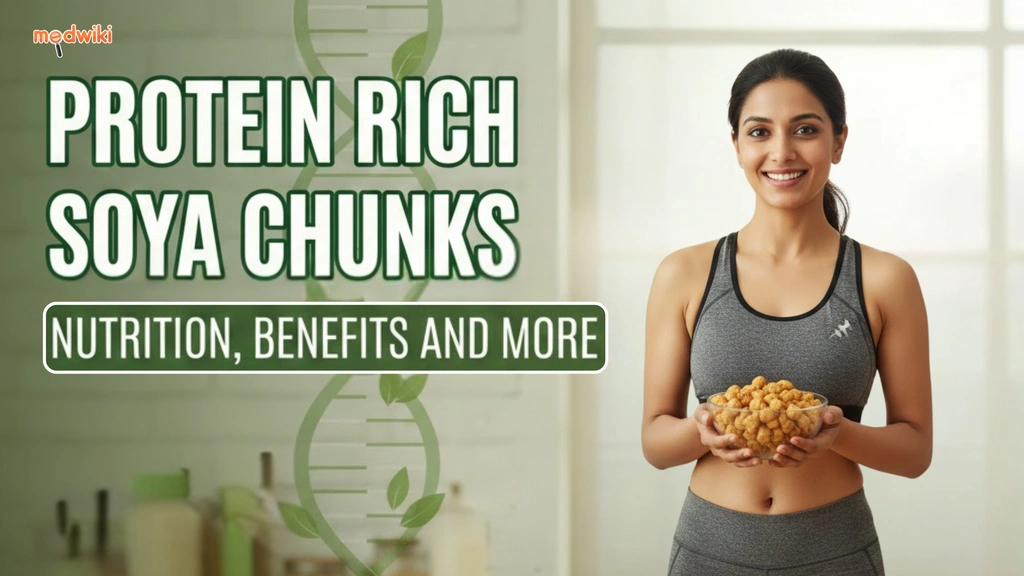
Soya chunks have become a staple for health enthusiasts, vegetarians, and those looking to incorporate ahigh-protein alternative into their diet. Often hailed as one of the most nutrient-dense plant-based foods, soya chunks provide a rich source of protein and essential nutrients that support overall well-being. In this detailed blog, we will explore soya chunks nutrition, includingsoya chunks nutrition facts 100g,the protein in soya chunks, soya chunks calories, and the various benefits of eating soya chunks. Understanding thenutritional profile of soya chunkscan help you make informed choices about including them in your daily meals.Understanding Soya ChunksSoya chunks are made from defatted soy flour, a by-product of extracting soybean oil. They are commonly available in dried form and need to be soaked in water before cooking. Popular in Indian cuisine, they are versatile and can be used in curries, stir-fries, snacks, and even soups. But beyond their culinary appeal, the true magic of soya chunks lies in their nutritional profile. Unlike other protein sources, soya chunks are plant-based, low in fat, and packed with essential amino acids, making them a complete protein source similar to animal protein.Soya Chunks Nutrition FactsWhen examiningsoya chunks nutrition, it is clear why they are celebrated as a superfood. Here is a closer look atsoya chunks nutrition facts 100g:Calories: Approximately 336 kcalProtein: Around 52 gramsCarbohydrates: 33 gramsFiber: 13 gramsFat: 0.5 gramsIron: 13 mgCalcium: 350 mgMagnesium: 280 mgPotassium: 1500 mgPhosphorus: 310 mgFrom this breakdown, it is evident that soya chunks protein content is exceptionally high, making it one of the best plant-based protein sources available. Additionally, the presence of essential minerals such as calcium, iron, magnesium, and phosphorus contributes to bone health, red blood cell formation, and metabolic functions.Protein in Soya ChunksFor those aiming to increase their protein intake,protein in soya chunks is one of the main reasons to include them in the diet. Each 100 grams of dry soya chunks contains about 52 grams of protein, which is higher than many meat and dairy sources. This makes them an excellent choice for vegetarians, vegans, athletes, and anyone looking to build muscle or maintain lean body mass.High protein content in soya chunks helps in:SupportingmetabolismMaintaining bone healthMuscle growth and repairEnhancing satiety and reducing overeatingPromoting tissue repair and faster recovery after workoutsIncluding soya chunks as a regular part of your diet ensures you meet your daily protein requirements efficiently without relying solely on animal products.Soya Chunks CaloriesAnother crucial aspect ofsoya chunks nutrition is their calorie content. With around 336 calories per 100 grams, they provide sufficient energy without excessive fat content. This makes them an ideal ingredient for weight management, as they can keep you full for longer while providing essential nutrients. Moreover, their high protein and fiber content help in stabilizing blood sugar levels, making them a suitable option for diabetics and individuals looking to manage their weight naturally.Health Benefits of Soya ChunksThe benefits of soya chunks extend beyond their protein content. Regular consumption of soya chunks can contribute to overall health in several ways.Heart HealthSoya chunksare low in saturated fat and cholesterol-free, making them heart-friendly. The high protein and fiber content help regulate blood cholesterol levels, reducing the risk of heart disease. Including soya chunks in your diet can lower LDL cholesterol, improve HDL cholesterol levels, and support cardiovascular health.Weight ManagementThe combination of high protein and fiber in soya chunks promotes a feeling of fullness, reducing the tendency to overeat. This makes them an excellent addition to a calorie-controlled diet. Unlike refined carbohydrate sources, soya chunks provide long-lasting energy and help in controlling appetite throughout the day.Bone HealthRich in calcium and magnesium, soya chunks support strong bones and prevent osteoporosis. Including them in a balanced diet ensures that your bones receive essential minerals. Additionally, the phosphorus content helps maintain bone density and strengthens teeth.Blood Sugar ControlThe low glycemic index of soya chunks helps in stabilizing blood sugar levels. Including them in meals can be beneficial for individuals with diabetes. The high protein content slows digestion, preventing sudden spikes in blood sugar and promoting a more gradual energy release.Digestive HealthThe fiber content in soya chunks improves digestion, prevents constipation, and promotes a healthy gut. Regular consumption of soya chunks supports bowel movement regulation and enhances nutrient absorption, contributing to overall digestive well-being.Hormonal BalanceSoya contains phytoestrogens, which mimic estrogen in the body. These compounds may help in managing menopausal symptoms, supporting hormonal balance, and reducing the risk of hormone-related disorders.Skin and Hair BenefitsThe protein and essential amino acids in soya chunks contribute to healthy skin and hair by promoting tissue repair and hair growth. Regular inclusion of soya chunks in your diet can lead to stronger hair, improved skin elasticity, and a radiant complexion.Boosting ImmunitySoya chunks contain essential vitamins and minerals that support the immune system. The combination of iron, magnesium, and zinc in soya chunks enhances your body’s ability to fight infections and recover from illnesses faster.Incorporating Soya Chunks into Your DietThere are numerous ways to enjoy the benefits of eating soya chunks without compromising taste:Soya chunk curry: Cooked with vegetables and spices for a hearty mealStir-fried soya chunks: Lightly sautéed with soy sauce and vegetablesSoya chunk pulao: Added to rice dishes for a protein boostSoya snacks: Baked or roasted as a healthy snackSalads:Tossed with fresh vegetables and a light dressingSoups and stews: Provides texture and nutritional enhancementTips for Cooking Soya ChunksSoak dried soya chunks in hot water for 10-15 minutes before cooking to soften themSqueeze out excess water to retain flavor and textureMarinate with spices or sauces to enhance tasteAvoid overcooking as they may become rubberyUse a variety of spices and herbs to create flavorful dishesSoya Chunks vs Other Protein SourcesWhen comparing soya chunks protein with other sources, they hold several advantages:Higher protein content than paneer or tofuLower fat content than meatRich in fiber unlike most animal proteinsSuitable for vegetarians and vegansAffordable and easily availableEasy to store and has a long shelf lifePotential ConsiderationsWhilesoya chunks are highly nutritious, moderation is key. Excessive consumption may lead to digestive issues due to high fiber content. Individuals with soy allergies should avoid soya chunks altogether. Also, choosing non-GMO and minimally processed soya chunks ensures maximum health benefits. It's important to balance soya chunks with other protein and nutrient sources to maintain a well-rounded diet.ConclusionSoya chunks are a powerhouse of nutrition, offering high protein, essential minerals, and fiber. With around 52 grams of protein per 100 grams, minimal fat, and a range of health benefits including heart health, weight management, and improved digestion, they are an excellent addition to a balanced diet. Incorporating soya chunks into daily meals can support muscle growth, enhance satiety, and contribute to overall well-being. Whether you are vegetarian, vegan, or simply looking to boost your protein intake, soya chunks provide a practical and nutritious solution. FollowMedwikifor more!FAQs1. How much protein is in 100 grams of soya chunks?Each 100 grams of dry soya chunks contains approximately 52 grams of protein, making it an excellent source of plant-based protein.2. Are soya chunks good for weight loss?Yes, due to their high protein and fiber content, soya chunks help in feeling full and reducing overall calorie intake, supporting weight management.3. How many calories are in soya chunks?Soya chunks contain around 336 calories per 100 grams, providing substantial energy without excess fat.4. Can soya chunks help in muscle building?Absolutely, the high protein content in soya chunks aids in muscle growth and repair, making them ideal for athletes and fitness enthusiasts.5. Are there any side effects of eating soya chunks?Excessive consumption may cause digestive discomfort due to high fiber content. Individuals with soy allergies should avoid them.6. How should soya chunks be cooked for best taste and nutrition?Soak them in hot water for 10-15 minutes, squeeze out excess water, and cook with spices or sauces. Avoid overcooking to prevent a rubbery texture.7. Do soya chunks have other nutrients besides protein?Yes, they are rich in calcium, iron, magnesium, potassium, and fiber, making them a well-rounded addition to a healthy diet. Regular inclusion in meals supports bone health, metabolism, and overall vitality.

1:15
Tydol is a medication used to relieve moderate to severe pain. It typically contains acetaminophen and tramadol, which work together to reduce pain. It's important to follow the prescribed dosage and not exceed the recommended amount to avoid potential side effects like liver damage or dependency. Always consult with a healthcare provider before starting Tydol, especially if you have liver issues or are taking other medications.
1:15
Desloratadine is an antihistamine used to relieve allergy symptoms like runny nose, sneezing, and itchy eyes. It's typically taken once daily, with or without food. While generally safe, it can cause side effects like headache or dry mouth. Always follow the dosing instructions on the package or from your healthcare provider, and consult them if you have any concerns, especially if you have liver or kidney issues.

1:15
Dealortidine is an antihistamine used to relieve allergy symptoms like sneezing, runny nose, and itchy eyes. It's typically taken once daily, but the exact dose depends on age and specific health needs. While generally safe, it can cause side effects like drowsiness or dry mouth. Always follow your healthcare provider's instructions and inform them of any other medications you're taking to avoid interactions.
1:15
Yes, regular exercise can help alleviate indigestion by promoting better digestion and reducing stress, which is a common trigger for digestive issues. Physical activity helps food move through the digestive tract more efficiently, potentially reducing symptoms like bloating and discomfort. However, it's best to avoid vigorous exercise immediately after eating to prevent exacerbating symptoms.
1:15
For back pain, a medium-firm mattress is often recommended as it provides a balance of support and comfort. This type of mattress helps maintain proper spinal alignment while reducing pressure points. However, personal preference and specific needs should guide your choice, so consider trying different options to find what feels best for you.

1:15
To help reduce back pain, consider incorporating regular exercise, such as walking or swimming, to strengthen your back muscles. Maintaining good posture while sitting and standing can also alleviate strain. Additionally, a balanced diet and weight management can reduce pressure on your spine. Lastly, ensure your sleeping environment supports your back, using a firm mattress and proper pillows.
Shorts
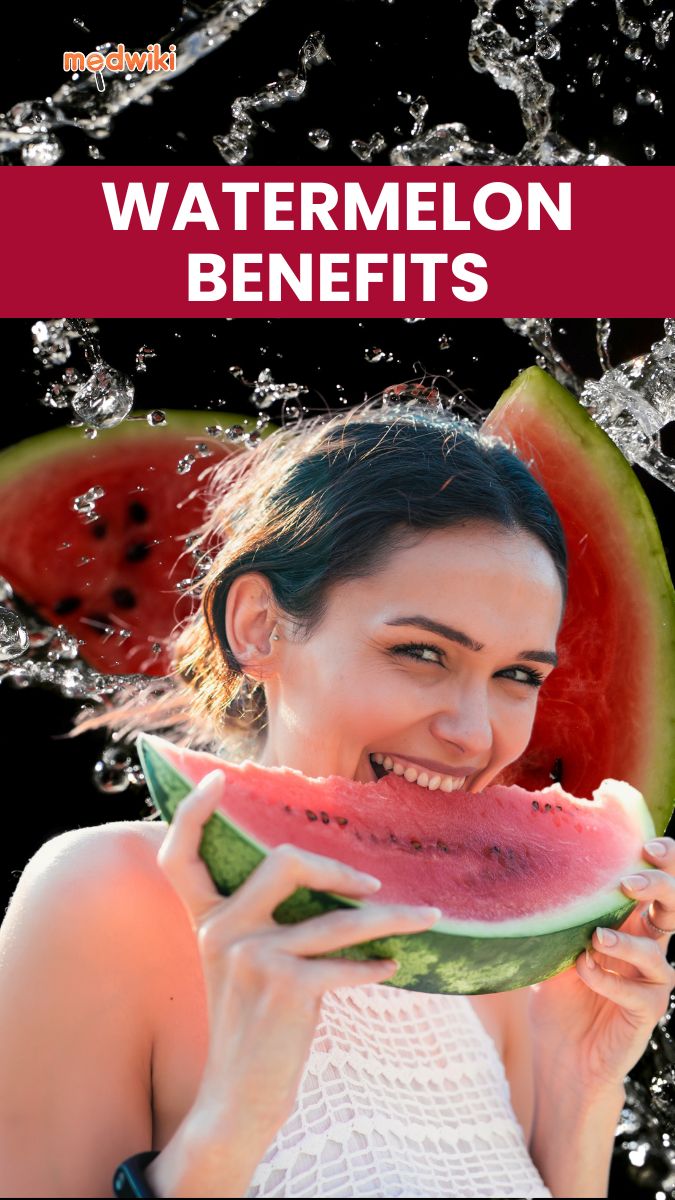
Watermelon Benefits! Stay Hydrated and Healthy in Summer!

Mrs. Prerna Trivedi
Nutritionist

How Can Bael Fruit Keep You Cool And Healthy This Summer?

Drx. Salony Priya
MBA (Pharmaceutical Management)

Can brushing after meals cause damage?
Mrs. Prerna Trivedi
Nutritionist

6 Simple Ways to Get Rid of Bad Breath Naturally!
Mrs. Prerna Trivedi
Nutritionist

Know Us
@2026 Medwiki Pvt Ltd. All Rights Reserved