

1:15
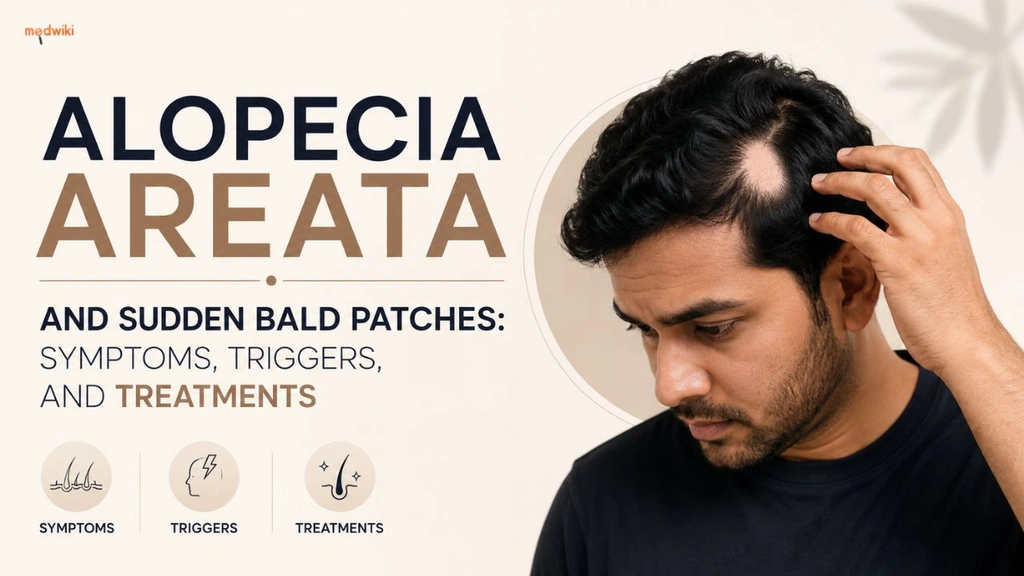
Hair loss is a common concern that affects people of all ages and genders across the world. Many individuals become worried when they suddenly notice bald patches or unusual hair thinning on the scalp.Many people search online to understand what alopecia is and how it differs from normal hair shedding. The condition is associated with the immune system, genetics, hormones, and lifestyle factors that may interrupt healthy hair growth cycles.Several people also look for alopecia meaning in hindi to better understand the disorder in their local language. Hair loss conditions may range from mild patchy thinning to complete scalp or body hair loss depending on severity.Understanding Different Forms of Hair LossHair loss conditions can develop in different ways depending on genetics, hormones,immune activity, and external damage to the scalp. Some people develop temporary thinning while others experience permanent hair loss in certain areas.One of the most common conditions is androgenetic alopecia, which is often linked with hereditary hair thinning in both men and women. This condition usually develops gradually and may worsen with age if not managed properly.Another important condition is traction alopecia, which develops because of excessive tension on the hair roots from tight hairstyles or repeated pulling. Braids, ponytails, extensions, and harsh styling methods may damage hair follicles over time.Common Signs That Need Medical AttentionMany people ignore early signs of hair loss because they assume the condition is temporary or stress related. However, sudden patchy hair loss or rapid thinning may indicate an underlying scalp or immune system disorder.The following symptoms are commonly associated with alopecia disease and immune related hair loss conditions:Sudden round bald patches appearing on the scalpHair loss affecting eyebrows,eyelashes, or beard areasIncreased hair shedding during washing or combingTingling, itching, or burning sensations before hair fallNoticeable nail dents, ridges, or rough texture changesProgressive thinning that spreads to multiple scalp regionsRecognizing these warning signs early may help doctors provide better care and reduce the risk of severe hair loss progression. Medical support becomes especially important when symptoms spread quickly or affect emotional health.Factors That May Trigger Hair Loss ConditionsHair growth depends on several internal and external factors that influence scalp and follicle health. In many individuals, immune system changes or emotional stress may activate sudden hair loss episodes.Understanding possible triggers can help people reduce scalp stress and improve daily hair care habits before symptoms become severe.Emotional stress and anxiety related health changesAutoimmune conditions affecting normal follicle functionHormonal imbalance linked with thyroid or metabolic disordersPoor nutrition and deficiencies in iron or vitaminsViral infections that influence immune system activityExcessive chemical treatments or harsh hairstyling methodsAlthough triggers vary between individuals, proper scalp care and healthy lifestyle habits may support long term hair strength. Early attention to symptoms may also help improve treatment outcomes and reduce further hair loss episodes.How Doctors Diagnose Patchy Hair LossDiagnosing patchy hair loss usually begins with a physical scalp examination and discussion about medical history. Dermatologists carefully evaluate bald patches, hair texture, and scalp inflammation to determine the possible cause of shedding.Several medical tests can help confirm whether the condition is related to immune system activity or another scalp disorder. Blood tests are often recommended to check thyroid health, nutritional deficiencies, and hormone levels that may contribute to hair thinning.People diagnosed with alopecia disease may sometimes require scalp biopsy testing when symptoms resemble scarring alopecia or other inflammatory conditions. During this procedure, a small scalp tissue sample is examined under a microscope for detailed analysis.Medical Therapies Used for Hair RegrowthHair regrowth treatments depend on the severity of scalp involvement, age of the patient, and response to previous therapies. Many individuals seek alopecia treatment options that may reduce inflammation and stimulate healthier follicles naturally.Several modern approaches are commonly included in alopecia areata treatments recommended by specialists worldwide.Corticosteroid injections to reduce immune system inflammationTopical creams and lotions that stimulate hair folliclesOral medicines used for severe or recurring hair lossMinoxidil solutions to support healthier hair growthLaser or light based scalp therapy sessionsNutritional supplements for improving scalp nourishmentConsistent treatment and regular follow up appointments may improve recovery outcomes over time. Some individuals notice hair regrowth within months, while others may require long term medical management for recurring symptoms.Lifestyle Habits That Support Scalp HealthDaily lifestyle habits play an important role in improving scalp condition and supporting natural hair growth. Many individuals focus only on medicines while ignoring nutritional balance, sleep quality, and stress management routines.Simple self care measures may help improve comfort and reduce further scalp irritation during treatment recovery.Eat protein rich foods along with iron and zinc sourcesPractice yoga or meditation to lower emotional stress levelsAvoid excessive heat styling and chemical hair treatmentsUse mild shampoos designed for sensitive scalp conditionsProtect exposed scalp areas from direct sunlight exposureSleep properly to support healthy immune system functionGood lifestyle management may not completely cure hair loss conditions, but it can improve overall scalp health and emotional well being. Combining healthy habits with professional treatment often produces better long term results.Understanding Advanced Autoimmune Hair Loss ConditionsSome people experience severe forms of immune related hair loss that extend beyond small scalp patches. One major concern among patients is the question, Is alopecia areata an autoimmune disease?In certain cases, people develop alopecia universalis, which causes complete loss of hair across the entire body including eyebrows and eyelashes. This advanced condition may have stronger emotional effects because visible hair loss becomes widespread and difficult to conceal.Another common question asked by patients is, How long does alopecia areata last? The answer depends on the individual’s immune response, treatment consistency, and severity of hair loss.Ways to Prevent Hair Loss From SpreadingMany individuals become anxious after noticing new bald patches spreading to different scalp areas over time. Preventive care becomes important because unmanaged inflammation or scalp damage may worsen hair loss patterns.Several preventive habits may support healthier scalp function and lower the risk of worsening hair fall conditions.Follow prescribed medicines exactly as advised by specialistsAvoid scratching or irritating sensitive scalp regionsReduce emotional stress through relaxation techniques dailyMaintain a healthy diet with essential nutrients and proteinsSchedule regular dermatology appointments for scalp evaluationAvoid tight hairstyles that increase follicle tensionAlthough prevention methods cannot guarantee complete control over autoimmune hair loss, they may improve scalp stability and reduce severe flare ups. Early action and consistent care often help patients manage symptoms more effectively.Common Medicines Recommended by DermatologistsDermatologists often recommend medicines that reduce inflammation and encourage healthy follicle activity during recovery. Treatment selection depends on age, scalp sensitivity, and severity of hair loss progression in each patient.Doctors may recommend multiple treatment methods together for better improvement in stubborn patchy hair loss cases.Corticosteroid injections for reducing local scalp inflammationOral immune suppressing medicines in severe conditionsMinoxidil topical applications for improving regrowth activityPrescription creams designed to stimulate affected folliclesAnti inflammatory therapies used during recurring flare upsSpecialized dermatology treatments for advanced scalp involvementPatients should avoid self medicating because improper medicine use may irritate the scalp further or delay recovery. Regular medical supervision helps ensure safe and effective treatment progress over time.Managing Patchy Baldness With Long Term CareManaging patchy baldness often requires patience because hair regrowth cycles can vary significantly between individuals. Some people respond quickly to medicines, while others experience gradual improvement over several months of treatment.Many individuals exploring alopecia areata treatment options benefit from understanding that emotional support is also part of recovery. Hair loss can affect self confidence, social comfort, and mental well being in daily life.Proper long term management may also reduce the risk of permanent follicle damage associated with severe inflammatory conditions. While some people recover fully, others may experience recurring hair loss episodes that require ongoing care.ConclusionHair loss conditions linked with autoimmune activity can affect both physical appearance and emotional confidence in daily life. Understanding alopecia meaning, symptoms, and possible triggers may help individuals recognize early warning signs.Many people searching for alopecia areata causes or treatment options discover that recovery experiences differ from one person to another. Some individuals regain hair naturally within months, while others require long term medical therapies and supportive care.Learning about alopecia treatment methods and maintaining realistic expectations can help patients feel more confident during recovery. Combining medical guidance with alopecia areata self-care practices may improve comfort and reduce scalp irritation.FollowMedwikifor more!Frequently Asked Questions1. What is alopecia and why does it happen?Alopecia is a condition that causes partial or complete hair loss from the scalp or body. It may develop because of autoimmune reactions, genetics, hormonal imbalance, stress, infections, or physical damage to hair follicles.2. Is alopecia areata an autoimmune disease?Yes, medical experts consider alopecia areata an autoimmune disease because the immune system mistakenly attacks healthy hair follicles. This reaction interrupts the normal hair growth cycle and causes sudden bald patches.3. How long does alopecia areata last?The duration of alopecia areata varies between individuals. Some people experience temporary hair loss with regrowth within a few months, while others may have recurring episodes over several years.4. What are the most common alopecia areata symptoms?Common alopecia areata symptoms include smooth bald patches on the scalp, sudden hair shedding, eyebrow or eyelash loss, tingling sensations, and nail texture changes.5. Can stress make alopecia worse?Emotional stress may contribute to worsening hair loss in some people by affecting immune system balance and scalp health. Stress management techniques such as meditation and exercise may support better recovery.6. Which alopecia areata treatment works best for patchy hair loss?The best Alopecia areata treatment for patchy hair loss depends on the severity of symptoms and the patient’s medical condition. Doctors may recommend corticosteroid injections, topical medicines, minoxidil, or combined treatments.7. How to stop alopecia areata from spreading naturally?Although there is no guaranteed natural cure, healthy scalp care may help reduce worsening symptoms. Balanced nutrition, stress reduction, proper sleep, and gentle hair care may support healthier hair growth.

1:15
Healthy skin needs proper care and the right skincare products to stay fresh and clear. Many people struggle with pimples, blackheads, and oily skin because of excess oil and clogged pores. Using asalicylic acid face wash can help remove impurities and improve skin texture naturally. Proper cleansing also supports healthier and smoother looking skin.A good salicylic acid face wash helps clean the pores deeply and removes dirt, oil, and dead skin cells from the surface. Many people choose these cleansers because they support acne control and reduce excess oil production. Understanding how these products work can help you create a better skincare routine for long term skin health.Different skin types require different skincare solutions for the best results. Some people benefit from using a face wash with salicylic acid because it targets acne and oily skin problems effectively. Learning about salicylic acid face wash benefits can help you choose suitable products and maintain balanced skin naturally.Understanding Salicylic Acid in SkincareSalicylic acid is a skincare ingredient commonly used for oily and acne prone skin. It works by exfoliating dead skin cells and cleaning blocked pores gently. Proper cleansing supports healthier and fresher skin over time.Many skincare experts recommend salicylic acid products because they help reduce excess oil buildup on the skin. These products also improve skin texture and support smoother looking skin naturally. Consistent skincare routines often provide better long term results.Using suitable cleansing products regularly can improve overall skin appearance. Proper face washing habits support balanced skin and reduce the chances of clogged pores and acne breakouts naturally.How Salicylic Acid Helps PimplesPimples usually develop when dirt, oil, and bacteria collect inside the pores.Salicylic acidhelps clean the pores deeply and removes excess oil from the skin. This supports cleaner and healthier skin naturally.Here are some ways salicylic acid helps control pimples.Removes excess oil from the skinHelps unclog blocked pores naturallySupports cleaner and healthier skin textureReduces buildup of dead skin cellsHelps control acne causing impuritiesImproves overall skin freshness dailyRegular cleansing with suitable products supports healthier skin. Proper skincare routines can reduce acne breakouts over time.Role of Salicylic Acid in Removing BlackheadsBlackheads are common skin problems caused by clogged pores and oil buildup. Proper cleansing is important for reducing blackheads and improving skin clarity.Salicylic acidhelps exfoliate the skin gently and clean deep inside the pores.The following points explain how salicylic acid helps with blackheads.Removes dirt trapped inside poresHelps loosen dead skin cell buildupReduces oil accumulation on the skinSupports smoother skin texture naturallyCleans deep pores effectively and gentlyImproves overall skin appearance graduallyHealthy cleansing habits can improve skin freshness naturally. Consistent skincare routines help reduce blackheads and rough skin texture.Why Oily Skin Needs Proper CleansingOily skin often produces excess sebum that can make the face look greasy and shiny. Without proper cleansing, dirt and oil may collect on the skin and block the pores. This may increase the chances of acne and blackheads.A salicylic acid face wash is commonly used for oily skin because it helps control oil production and supports cleaner skin. Deep cleansing removes impurities while maintaining a refreshed feeling throughout the day. Proper skincare routines help balance oily skin naturally.People with oily skin usually benefit from regular face washing and suitable skincare products. Consistency in cleansing supports healthier skin and improves overall comfort and appearance over time.Benefits of Using Salicylic Acid CleansersSalicylic acid based cleansers are widely used because they support deep cleansing and acne control. These products remove excess oil and help maintain smoother skin texture naturally. Consistent cleansing can improve skin freshness and clarity.Here are some important benefits of salicylic acid based cleansers.Helps reduce acne breakouts naturallySupports cleaner and healthier skin poresRemoves excess oil effectively from skinImproves overall skin texture graduallyHelps reduce blackheads and roughnessSupports fresher and smoother looking skinHealthy skincare habits support better long term results. Proper cleansing helps maintain balanced and comfortable skin naturally.How to Use Salicylic Acid Cleansers CorrectlyUsing skincare products properly is important for achieving better results. Gentle cleansing methods help protect the skin barrier and reduce irritation. Correct usage also improves the effectiveness of skincare ingredients naturally.Follow these simple steps for better cleansing results.Wash your hands before cleansing dailyUse lukewarm water on the skinApply a small amount of cleanserMassage gently using circular movementsRinse the skin completely with waterApply moisturizer after cleansing regularlyGood skincare routines support healthier skin naturally. Consistent face washing can improve skin freshness and comfort over time.Mistakes to Avoid While Using Salicylic Acid ProductsSome people use strong skincare products incorrectly and damage their skin barrier. Excessive cleansing or harsh scrubbing may increase dryness and irritation. Understanding common mistakes can help protect your skin naturally.Here are some mistakes people should avoid during skincare routines.Washing the face too many timesUsing very hot water on skinApplying excessive amounts of cleanser dailyScrubbing sensitive skin aggressively oftenSkipping moisturizer after cleansing sessionsUsing unsuitable skincare products regularlyHealthy cleansing habits support balanced and comfortable skin. Gentle skincare routines help reduce irritation and maintain freshness naturally.Uses of Salicylic Acid CleansersSalicylic acid based cleansers are used for improving skin cleanliness and reducing acne related concerns. These products help remove impurities and support smoother skin texture naturally. Many people include them in their regular skincare routines.Here are some common uses of salicylic acid cleansers.Remove dirt and excess oil dailySupport cleaner and fresher looking skinHelp reduce clogged skin pores naturallyImprove rough skin texture graduallyRemove dead skin cells from poresSupport acne control and skin clarityRegular cleansing helps improve overall skin appearance naturally. Consistent skincare routines support healthy and refreshed skin.Salicylic Acid Face Wash BenefitsMany people choose acne control cleansers because they provide deep cleansing and improve skin clarity. Understanding salicylic acid face wash benefits can help you maintain healthier skin naturally. Proper cleansing also supports smoother and fresher skin over time.The following are some important salicylic acid face wash benefits.Helps maintain cleaner and healthier poresSupports reduction of acne breakouts naturallyControls excess oil on oily skinImproves overall skin texture graduallyHelps remove blackheads and impuritiesSupports smooth and refreshed skin appearanceRegular skincare habits provide better long term skin improvement. Consistent cleansing supports healthy and balanced skin naturally.Side Effects of Incorrect Skincare HabitsImproper skincare routines may negatively affect your skin condition. Using harsh products or excessive cleansing can damage the skin barrier and increase irritation. Poor skincare habits may also cause dryness and redness.Here are some common side effects of incorrect cleansing habits.Excess cleansing may increase skin drynessHarsh scrubbing can irritate sensitive skinWrong products may trigger acne breakoutsHot water may damage skin moistureSkipping moisturizer may increase roughnessDirty towels may spread harmful bacteriaHealthy skincare routines help prevent these skin problems naturally. Proper cleansing supports smoother and fresher looking skin.ConclusionTaking care of oily and acne prone skin requires proper cleansing and suitable skincare products. A salicylic acid face wash helps remove dirt, oil, and dead skin cells from the pores naturally. Consistent cleansing supports cleaner and healthier looking skin.Using a face wash with salicylic acid can help reduce pimples, blackheads, and excess oil production over time. Gentle skincare habits combined with regular cleansing improve skin texture and maintain freshness naturally. Choosing suitable products is important for better skincare results.Understanding salicylic acid face wash benefits can help you create a balanced skincare routine for long term skin health. Proper face washing and healthy skincare habits support smooth, refreshed, and comfortable skin naturally.FollowMedwikifor more!Frequently Asked Questions1. Is salicylic acid suitable for oily skin?Yes, salicylic acid is commonly used for oily skin because it helps remove excess oil and unclog pores naturally. It supports cleaner and fresher skin with regular use.2. Can salicylic acid help reduce pimples?Yes, salicylic acid helps remove dirt, oil, and dead skin cells from pores. This may reduce acne breakouts and improve skin clarity gradually.3. How often should I use a salicylic acid cleanser?Most people can use it once or twice daily depending on their skin type. Gentle cleansing is important for maintaining balanced skin.4. Can sensitive skin use salicylic acid products?Sensitive skin may use mild products carefully and in small amounts. It is important to avoid excessive cleansing and harsh skincare ingredients.5. Does salicylic acid help remove blackheads?Yes, salicylic acid helps clean deep inside the pores and remove buildup that causes blackheads. Regular cleansing supports smoother skin texture.6. Should I apply moisturizer after cleansing?Yes, moisturizer helps maintain hydration and protects the skin barrier after cleansing. It keeps the skin soft and comfortable.7. What should I avoid while using salicylic acid products?Avoid harsh scrubbing, excessive cleansing, and very hot water during skincare routines. Gentle cleansing supports healthier and balanced skin naturally.

1:15
Healthy skin begins with choosing the right skincare products for your daily routine. Many people become confused when selecting between afoaming face wash and a regular cleanser because both products are designed to clean the skin. Understanding these differences can help you make the best choice for healthy and refreshed skin.A good foaming face wash helps remove dirt, oil, sweat, and impurities from the skin effectively. Many people prefer foam based cleansers because they provide a fresh and lightweight feeling after washing the face. Choosing the correct cleanser can improve skin texture and reduce common skin concerns.Different skincare products are created for different needs. Some people prefer a gentle creamy cleanser, while others benefit more from a face wash with salicylic acid for controlling acne and excess oil. Knowing your skin condition and understanding salicylic acid face wash benefits can help you build a better skincare routine naturally.Understanding Foaming CleansersA foaming cleanser is designed to create soft foam while cleansing the skin deeply. It removes excess oil, dirt, pollution, and sweat from the pores effectively. Many people with oily or combination skin prefer this type of cleanser because it gives a clean and refreshed feeling after every wash.The lightweight texture of a foaming face wash makes it comfortable for daily skincare routines. It spreads easily across the skin and helps remove buildup caused by makeup and environmental impurities. Proper cleansing supports healthier and brighter skin naturally.People with oily skin often notice reduced greasiness after regular face washing with foam based cleansers. Using suitable skincare products regularly can improve skin freshness and support a smoother appearance over time.How Regular Cleansers WorkRegular cleansers are usually cream based or gel based products designed for gentle cleansing. These products clean the skin without creating much foam and are often suitable for dry or sensitive skin types. They help maintain moisture while removing dirt and impurities carefully.Here are some important features of regular cleansers.Provide gentle cleansing for sensitive skinHelp maintain natural skin moistureUsually contain hydrating ingredientsSuitable for dry and normal skinRemove dirt without excessive drynessSupport soft and smooth skin textureRegular cleansers are ideal for people who experience dryness after cleansing. They help maintain skin comfort while keeping the face clean and healthy.Benefits of Foaming CleansersFoam based cleansers are popular because they provide deep cleansing and freshness. They remove oil and impurities effectively, making them useful for oily and acne prone skin. Proper cleansing helps reduce clogged pores and supports cleaner skin.The following are the major advantages of foam based cleansers.Remove excess oil from the skinHelp unclog blocked pores naturallyProvide a fresh and lightweight feelingSupport cleaner and smoother skinRemove sweat and pollution effectivelyImprove daily skincare routines easilyRegular cleansing with suitable products can improve overall skin appearance. Healthy skincare habits support clearer and fresher skin naturally.Which Skin Type Needs Foaming Cleansers?Different skin types react differently to skincare products and cleansing methods. People with oily or acne prone skin usually benefit more from foam based cleansers because they help control excess oil production. Deep cleansing also helps reduce pore blockage caused by dirt and sweat.A foaming face wash is often recommended for individuals who experience greasy skin during the day. It provides a refreshing feeling and removes excess buildup effectively. However, people with dry or sensitive skin should choose gentle formulas to avoid irritation.Balanced skincare routines are important for maintaining healthy skin. Understanding your skin type can help you select products that improve comfort and support long term skin health naturally.Importance of Salicylic Acid in CleansersSalicylic acid is a common skincare ingredient used for acne prone and oily skin. It helps exfoliate the skin gently and removes dead skin cells from the pores. Many people choose a face wash with salicylic acid because it supports cleaner and clearer skin.Here are some important functions of salicylic acid in skincare.Helps remove dead skin cells gentlySupports unclogging of blocked poresReduces excess oil buildup naturallyHelps improve acne prone skinSupports smoother skin textureRemoves impurities from deep poresUsing suitable skincare ingredients can improve cleansing effectiveness. Proper skincare routines support healthier and more balanced skin.Salicylic Acid Face Wash BenefitsMany skincare experts recommend salicylic acid based cleansers for oily and acne prone skin. These products help remove excess oil and improve skin clarity over time. Understanding salicylic acid face wash benefits can help you choose the right skincare routine.The following are the common benefits of salicylic acid cleansers.Helps reduce acne breakouts naturallyControls excess skin oil effectivelySupports cleaner and healthier poresRemoves dead skin cells gentlyImproves overall skin texture graduallyHelps maintain fresher looking skinConsistent skincare routines provide better long term results. Healthy cleansing habits can improve skin comfort and appearance naturally.Choosing the Best Cleanser for Your SkinSelecting the right cleanser depends on your skin condition and daily skincare needs. People with oily skin may benefit more from deep cleansing foam based products. Dry skin usually needs gentle and hydrating cleansers that protect moisture levels naturally.A face wash with salicylic acid may be useful for people dealing with acne, blackheads, or clogged pores. However, sensitive skin should avoid harsh products and choose mild skincare formulas carefully. Understanding your skin type is important for maintaining balanced skincare routines.Daily face washing combined with proper skincare habits supports healthier and smoother skin. Choosing suitable cleansing products can improve your confidence and skin appearance over time.Uses of Foaming CleansersFoam based cleansers are used for maintaining fresh and healthy skin daily. They help remove impurities that collect on the skin due to sweat, pollution, and excess oil. Many people include these products in their regular skincare routines for better cleansing.Here are some common uses of foam based cleansers.Remove dirt and oil from poresSupport fresh and clean skin dailyHelp maintain balanced skin textureImprove overall cleansing effectivenessRemove sweat after physical activitiesSupport smoother skin appearance naturallyRegular cleansing supports healthier skin and improves daily comfort. Good skincare habits help maintain cleaner and brighter skin.Benefits of Regular Cleansing RoutinesConsistent skincare routines help maintain healthy and refreshed skin naturally. Daily cleansing removes unwanted impurities and reduces the chances of clogged pores. Proper cleansing also supports better absorption of moisturizers and serums.The following are important benefits of regular skincare routines.Helps maintain balanced skin conditionSupports smoother and healthier skin textureReduces buildup caused by pollutionRemoves excess oil and sweat gentlyHelps improve skin freshness naturallySupports long term skin cleanlinessHealthy skincare habits improve skin appearance gradually. Consistency is important for maintaining clean and comfortable skin.Side Effects of Using the Wrong CleanserUsing unsuitable skincare products may negatively affect your skin condition. Harsh cleansers can damage the skin barrier and increase dryness or irritation. Products that do not match your skin type may also cause acne and redness.Here are some side effects of incorrect cleansing products.Excess dryness caused by harsh ingredientsIncreased irritation on sensitive skinAcne breakouts due to clogged poresRedness caused by strong cleansersTightness after regular face washingDamage to natural skin moisture barrierChoosing the correct skincare products protects your skin naturally. Proper cleansing habits help maintain fresh and balanced skin.ConclusionChoosing between a foam based cleanser and a regular cleanser depends mainly on your skin type and skincare needs. People with oily and acne prone skin often prefer foam cleansers because they provide deep cleansing and remove excess oil effectively. Gentle cream based cleansers are usually better for dry and sensitive skin.Understanding salicylic acid face wash benefits can also help you improve your skincare routine. Products containing salicylic acid support cleaner pores, smoother skin texture, and reduced acne breakouts naturally. Selecting suitable ingredients can improve your skin health over time.A proper skincare routine combined with regular face washing helps maintain healthy and refreshed skin. Consistency, gentle cleansing, and suitable products are important for achieving better skincare results naturally.FollowMedwikifor more!Frequently Asked Questions1. Is a foaming cleanser good for oily skin?Yes, foam based cleansers are usually suitable for oily skin because they help remove excess oil and dirt effectively. They provide a fresh and clean feeling after every wash.2. Can dry skin use foam based cleansers?People with dry skin can use gentle foam cleansers with hydrating ingredients. Harsh products should be avoided because they may increase dryness and irritation.3. What is the purpose of salicylic acid in cleansers?Salicylic acid helps exfoliate the skin and unclog pores. It supports cleaner skin and helps reduce acne and blackheads naturally.4. How often should I wash my face daily?Most people should wash their face twice daily, once in the morning and once before sleeping. This helps maintain clean and healthy skin.5. Are regular cleansers better for sensitive skin?Yes, regular cream based cleansers are often gentler for sensitive skin. They help maintain moisture while cleansing the skin carefully.6. Can a face wash with salicylic acid reduce acne?Yes, salicylic acid based cleansers help remove excess oil and dead skin cells from pores. This can help reduce acne breakouts over time.7. What should I avoid while choosing a cleanser?Avoid products with harsh ingredients that do not match your skin type. Choosing suitable skincare products helps maintain healthy and balanced skin.
1:15
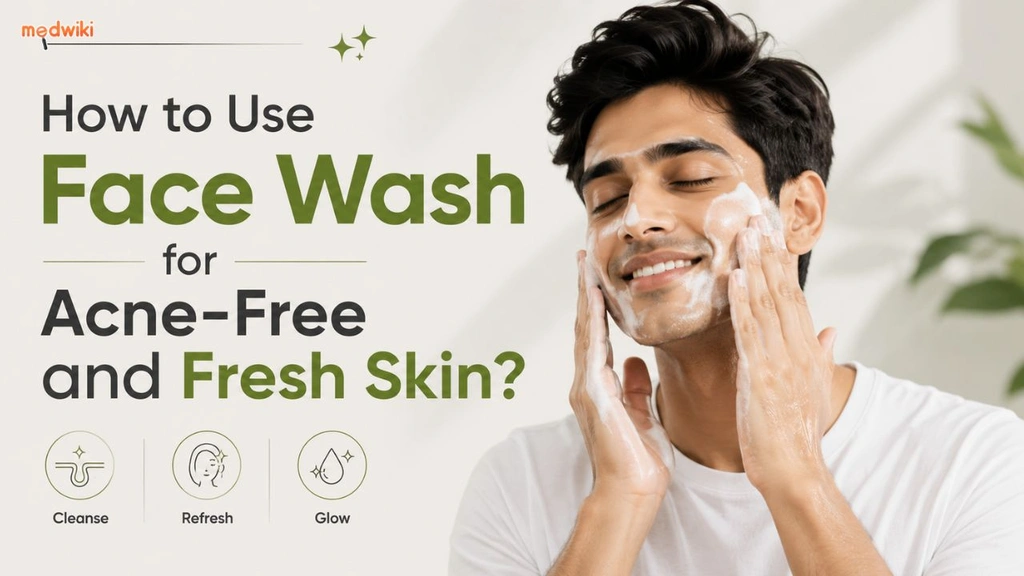
Healthy skin begins with simple daily habits that protect your face from dirt, oil, and pollution. One of the most important steps inskincare is understanding how to use face wash correctly. Many people wash their face every day, but they still experience acne, dullness, and dryness because they do not follow the right cleansing routine. Proper cleansing helps your skin stay fresh, smooth, and healthy.Learning how to use face wash the right way can improve your skincare routine and reduce common skin problems naturally. A good cleansing process removes excess oil, bacteria, and sweat from the skin. It also helps other skincare products absorb better and work more effectively. Choosing the correct product and using it gently can make a big difference in your skin health.Daily face washing is not only about keeping your skin clean. It also supports better hygiene and helps maintain a youthful appearance. With the right habits and products, you can enjoy clear skin, fewer breakouts, and a fresh feeling throughout the day.Understanding Your Skin TypeKnowing your skin type is very important before starting any skincare routine. Different skin types react differently to cleansers and skincare products.Oily skin usually produces more sebum, while dry skin often feels rough and tight after cleansing. Sensitive skin may react quickly to harsh ingredients and strong fragrances.Choosing the correct face wash becomes easier when you understand your skin condition. Gentle cleansers work best for sensitive skin because they reduce irritation and redness. People with oily skin may prefer products that remove excess oil without over drying the skin. Balanced skincare products help maintain healthy and comfortable skin.Regular face washing can improve your skin texture when you use products suitable for your skin type. Using the wrong cleanser may increase acne, dryness, or irritation. A simple and suitable cleansing routine supports healthy and glowing skin naturally.Correct Steps for Washing Your FaceFollowing the proper cleansing method is necessary for healthy skin. Many people rush through cleansing and fail to remove all dirt and oil properly. Careful cleansing helps your skin feel fresh and clean throughout the day.Here are the correct steps for proper cleansing.Wash your hands before touching your faceUse lukewarm water for better cleansingApply a small amount ofcleanser gentlyMassage your skin using circular movementsFocus on oily areas around the noseRinse your face completely with waterThese simple steps can improve your skincare routine significantly. Proper cleansing habits help reduce acne and keep the skin refreshed.Mistakes to Avoid During CleansingMany people unknowingly damage their skin by making simple cleansing mistakes. Washing the face too often may remove natural oils and increase dryness. Using harsh products or rough scrubbing can also irritate the skin and cause redness.Let us look at common mistakes people should avoid.Using very hot water on the skinScrubbing the face too aggressively dailyWashing the face too many timesSleeping without cleansing the skin properlyUsing dirty towels on the faceApplying excessive amounts of cleanser regularlyAvoiding these mistakes can protect your skin barrier naturally. Healthy cleansing habits support smoother and healthier skin.Importance of Daily CleansingDaily cleansing is the foundation of every good skincare routine. Throughout the day, your skin collects dust, sweat, bacteria, and pollution from the environment. If these impurities remain on the skin for too long, they may clog pores and lead to acne breakouts.Regular cleansing also helps skincare products work more effectively. Moisturizers and serums absorb better when applied to freshly cleaned skin. Clean skin often looks brighter, softer, and healthier with consistent care and attention.People who understand how to use face wash properly usually notice fewer skin problems over time. Proper face washing removes excess oil while keeping the skin balanced and refreshed. Consistency is the key to maintaining healthy and glowing skin naturally.Best Time to Wash Your FaceTiming is important when it comes to skincare routines. Washing your face at the right moments helps maintain cleanliness and reduces the buildup of dirt and oil. Morning cleansing removes sweat and oil collected during sleep.Here are the best times for daily cleansing.Wash your face after waking upCleanse before going to bed every nightWash after heavy sweating or exerciseRemove makeup before sleeping dailyCleanse after spending time outdoorsRefresh the skin during very hot weatherA proper cleansing schedule supports healthy and balanced skin. Consistent routines help reduce acne and dullness naturally.Choosing the Right Water TemperatureWater temperature can affect your skin health more than many people realize. Extremely hot water may damage the skin barrier and remove natural moisture. Very cold water may not clean excess oil effectively from the skin.The following points explain the effects of water temperature.Hot water may increase skin drynessCold water may leave dirt behindLukewarm water cleans gently and safelyBalanced temperature supports healthy skin poresExtreme temperatures may irritate sensitive skinProper rinsing keeps the skin comfortableUsing the correct water temperature improves cleansing results. Small adjustments in your routine can make your skin softer and healthier.Simple Habits for Healthy SkinGood skincare is not limited to cleansing products alone. Healthy daily habits also help maintain acne free and refreshed skin naturally. A balanced lifestyle supports better skin health and reduces common skincare problems.Here are some useful habits for maintaining healthy skin.Drink enough water every day regularlyAvoid touching your face unnecessarily oftenChange pillow covers every week consistentlyEat healthy foods rich in nutrientsUse clean towels for your skinApply moisturizer after every cleansing sessionHealthy habits improve the results of your skincare routine. Regular care supports smooth, fresh, and glowing skin.Uses of Proper CleansingProper cleansing helps maintain clean and healthy skin every day. It removes unwanted impurities that collect on the skin due to pollution, sweat, and excess oil. A good skincare routine also supports better absorption of skincare products.Now let us understand the common uses of regular cleansing.Removes dirt and oil from the skinHelps unclog blocked skin pores naturallySupports softer and smoother skin textureImproves absorption of skincare productsKeeps the face feeling fresh dailyReduces pollution buildup on the skinRegular cleansing improves overall skin appearance over time. Understanding how to use face wash correctly supports healthy and comfortable skin.Benefits of Proper Face WashingA proper cleansing routine can provide many long term skincare benefits. Consistent cleansing reduces the chances of acne caused by oil and dirt buildup. It also helps maintain balanced skin and improves natural freshness.The following are the main benefits of regular cleansing.Helps maintain balanced skin oil levelsReduces acne and unwanted breakouts naturallyMakes the skin feel cleaner and softerSupports healthy and glowing skin appearanceRemoves sweat and bacteria from poresImproves confidence through healthier looking skinConsistency plays a major role in skincare improvement. Regular cleansing can help your skin stay smooth and refreshed.Side Effects of Incorrect CleansingImproper cleansing methods may negatively affect your skin health. Harsh products and aggressive scrubbing can damage the natural skin barrier. Poor skincare habits may also increase irritation, dryness, and redness.Here are some possible side effects of incorrect cleansing routines.Excess cleansing may cause severe drynessHarsh scrubbing can irritate sensitive skinWrong products may increase acne breakoutsDirty towels may spread harmful bacteriaHot water may damage skin moistureSkipping cleansing may clog skin poresHealthy skincare habits help prevent these problems naturally. Proper cleansing supports fresh, clean, and acne free skin.ConclusionHealthy and glowing skin starts with simple daily habits and proper care. Learning how to use face wash correctly can help remove dirt, sweat, and bacteria from the skin. A balanced cleansing routine supports fresh and comfortable skin naturally.Choosing the right cleanser and following gentle techniques can improve your skincare results over time. Proper face washing protects the natural skin barrier and reduces the chances of irritation and acne. Small improvements in your daily routine can create noticeable changes.Consistency is one of the most important parts of skincare success. Daily cleansing combined with healthy habits can improve your skin appearance and confidence. Taking care of your skin regularly helps maintain a brighter and healthier look.FollowMedwikifor more!Frequently Asked Questions1. How many times should I wash my face every day?Most people should wash their face twice daily, once in the morning and once before sleeping. This routine helps remove dirt, oil, and bacteria without making the skin overly dry.2. Can face washing help reduce acne?Yes, proper cleansing removes excess oil, dirt, and bacteria that may block pores. Regular cleansing can help reduce acne and improve skin freshness over time.3. Is it necessary to use moisturizer after cleansing?Yes, moisturizer helps maintain skin hydration after cleansing. It protects the skin barrier and keeps the skin soft and comfortable.4. What type of cleanser is best for sensitive skin?Gentle and fragrance free products are usually best for sensitive skin. Mild cleansers reduce irritation and help maintain healthy skin balance.5. Why should I avoid hot water while cleansing?Hot water may remove natural oils from the skin and increase dryness. Lukewarm water is safer and more effective for daily cleansing.6. Can I use the same face wash throughout the year?Some people may need different products during different seasons. Skin often becomes drier during winter and oilier during hot weather.7. What should I avoid during face washing?Avoid using very hot water, harsh scrubbing methods, dirty towels, and expired skincare products during face washing.
1:15
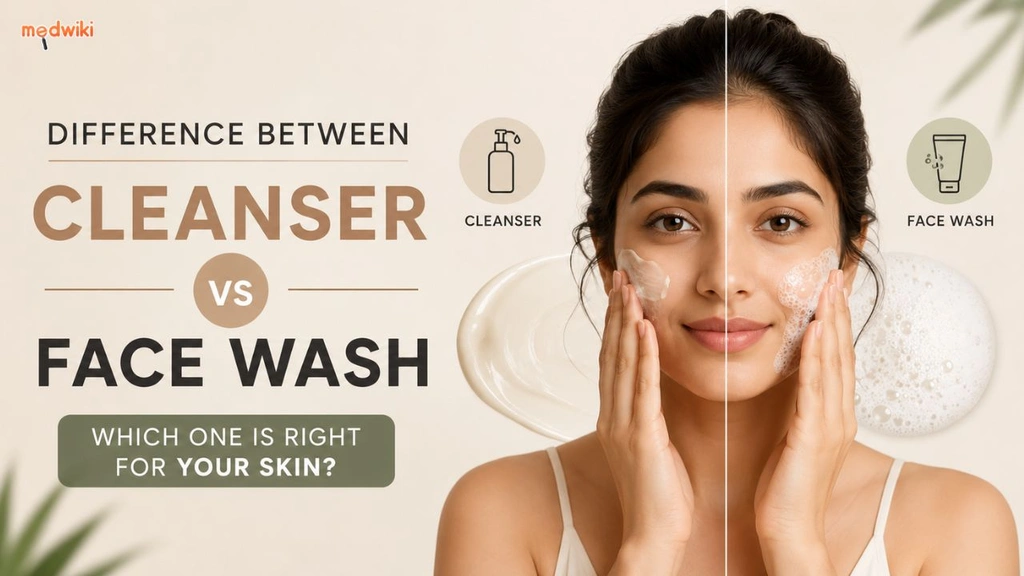
Many people often wonder about the difference betweencleanser and face wash when building a healthy skincare routine. Both products are used to clean the skin, but they work differently depending on skin type, texture, and skincare needs.Understanding the difference between cleanser and face wash can help you choose products that support healthy and glowing skin without causing dryness or irritation. Using the wrong product may lead to clogged pores, excess oil, or uncomfortable dryness.Learning about ingredients, texture, and skincare goals can make product selection much easier. This guide explains everything in simple language so you can confidently choose the right skincare solution for your daily routine.Understanding How Cleansing Products WorkCleansing products work by lifting dirt, makeup, sunscreen, sweat, and excess oil from the surface of the skin. Different formulas are created for different skin concerns and environmental conditions.Although they serve a similar purpose, their texture, ingredients, and cleaning strength are often different. Cleansers are usually cream based, lotion based, or oil based, while face washes are commonly gel based or foam based.A cleanser gently removes dirt without stripping moisture, while a face wash creates a deeper cleansing effect that helps remove oil and sweat. The choice depends on how your skin reacts after cleansing.Main Features of a CleanserA cleanser is usually softer and more hydrating than a regular face wash. It works gently on the skin while maintaining natural moisture balance and softness.Understanding the features of cleansers can help you select the right skincare routine for daily use.Cream cleansers are ideal for dry and sensitive skin.Oil cleansers help remove waterproof makeup easily.Milk cleansers provide hydration and softness.Gel cleansers can refresh combination skin gently.Cleansers help maintain the natural skin barrier.Most cleansers do not create heavy foam while cleaning.A good cleanser leaves the skin smooth, soft, and comfortable after every wash. Many people with dry skin prefer cleansers because they reduce tightness and irritation.Main Features of a Face WashFace washes are designed to deeply clean the pores and remove excess oil, dirt, and sweat from the skin surface. They are commonly used in morning and nighttime skincare routines.Knowing the main features of face washes makes it easier to understand the difference between face wash and cleanser in daily skincare.Face washes usually create foam while cleansing.They help remove excess oil from oily skin.Gel face washes feel refreshing during hot weather.Foam based washes clean pores more deeply.Face washes may help reduce acne breakouts.They are commonly used after sweating or exercise.People with oily or acne prone skin often prefer face washes for a fresher feeling. Choosing a gentle formula can help avoid dryness and irritation after cleansing.Key Differences Between Cleansers and Face WashesCleansers focus on maintaining hydration while gently removing dirt and makeup. Face washes focus more on deep cleaning and oil control for a refreshed appearance.Cleansers are generally creamy, milky, or balm like, making them suitable for dry and sensitive skin types. Face washes are often gel or foam based and create a bubbly texture that helps remove excess oil more effectively.During winter, a cleanser may prevent dryness and flaking, while a face wash may feel more comfortable during humid weather when the skin becomes oily.Choosing Products for Dry SkinDry skin often feels rough, flaky, or tight after washing, especially during cold weather or after exposure to harsh soaps. Gentle skincare products can help maintain moisture and comfort.People with dry skin frequently ask, can I use cleanser instead of face wash to avoid excessive dryness and irritation.Cream cleansers help restore moisture balance.Hydrating ingredients support softer skin texture.Cleansers reduce tightness after washing.Non foaming formulas protect sensitive skin.Oil based cleansers remove makeup gently.Mild cleansers are suitable for winter skincare.Using a gentle cleanser daily can improve skin softness and reduce discomfort. Dry skin benefits from products that clean without removing natural oils completely.Choosing Products for Oily SkinOily skin produces excess sebum that may cause shine, clogged pores, and acne breakouts during the day. Proper cleansing helps maintain freshness and reduces buildup on the skin.Many users researching the difference between face wash and cleanser want to know which product controls oil more effectively.Gel face washes help remove excess oil quickly.Foam cleansers provide a refreshed feeling.Salicylic acid face washes may reduce acne.Deep cleansing formulas clean clogged pores.Lightweight products feel comfortable on oily skin.Regular cleansing may reduce greasy appearance.Choosing oil controlling products can help maintain cleaner and healthier looking skin. Avoid over washing because excessive cleansing may increase oil production.Which Option Is Better for Sensitive Skin?Sensitive skin reacts quickly to strong fragrances, harsh chemicals, and aggressive cleansing products. Redness, itching, and irritation are common problems faced by people with delicate skin.This is why many people ask, is cleanser and face wash the same when searching for safe products for sensitive skin.Fragrance free cleansers reduce irritation risks.Gentle ingredients help calm redness naturally.Cream formulas support the skin barrier.Harsh foaming agents may trigger sensitivity.Hydrating cleansers provide soothing effects.Patch testing helps identify suitable products.Sensitive skin usually responds better to mild and hydrating skincare routines. Choosing dermatologist tested products may improve overall skin comfort and health.Benefits of Using a Cleanser DailyDaily cleansing is important because pollution, sweat, and makeup can build up on the skin throughout the day. Cleansers gently remove these impurities while helping maintain skin hydration and softness.Many skincare beginners researching what is the difference between cleanser and face wash discover that cleansers offer multiple advantages for regular skincare routines.Cleansers support natural moisture retention.They gently remove makeup and sunscreen.Soft formulas reduce skin irritation.Cleansers help maintain smooth skin texture.Hydrating ingredients improve skin comfort.Regular cleansing supports healthier looking skin.Using a cleanser consistently may improve skin appearance over time. A gentle routine can help protect the skin barrier from unnecessary dryness.Benefits of Using a Face Wash DailyFace washes are commonly used by people who want a deep cleansing effect after outdoor exposure, sweating, or humid weather conditions. These products help remove dirt and excess oil effectively.People often compare products while asking, can I use cleanser instead of face wash or should both products be included in one skincare routine.Face washes deeply clean the skin surface.They help reduce oily and greasy buildup.Foaming formulas provide a refreshed feeling.Deep cleansing supports acne management.Face washes help unclog blocked pores.Regular use may improve skin freshness.A face wash can be useful for people with active lifestyles or oily skin. Using gentle products helps maintain balance without over drying the face.Possible Side Effects of Using the Wrong ProductUsing unsuitable skincare products may lead to dryness, irritation, redness, breakouts, or excessive oil production. Choosing products according to skin type is important for maintaining healthy skin balance.People searching for the difference between cleanser and face wash often want to avoid skincare problems caused by harsh or unsuitable ingredients.Strong cleansers may irritate sensitive skin.Over cleansing can damage the skin barrier.Harsh face washes may cause dryness.Heavy products can clog pores easily.Fragrances may trigger redness or itching.Incorrect products may worsen acne issues.Paying attention to your skin response helps identify unsuitable products quickly. A balanced skincare routine supports healthier and more comfortable skin every day.ConclusionCleansers are usually gentle and hydrating, while face washes provide deeper cleansing for oily or acne prone skin. Selecting the right product can improve comfort and skin appearance.Dry and sensitive skin may benefit more from cleansers, while oily skin may respond better to refreshing face washes. Sometimes people even combine both products in their routines.Learning what is the difference between cleanser and face wash allows you to make better skincare decisions and maintain healthy skin naturally. A simple and balanced skincare routine often delivers the best long term results.FollowMedwikifor more!Frequently Asked Questions1. What is the main difference between a cleanser and a face wash?Cleansers hydrate while cleaning, whereas face washes deeply remove oil and dirt from the skin.2. Is cleanser and face wash the same for all skin types?No, cleansers and face washes work differently depending on skin type and skincare needs.3. Can I use cleanser instead of face wash every day?Yes, many people with dry or sensitive skin use cleansers daily instead of face washes.4. What is the difference between cleanser and face wash for oily skin?Face washes usually control excess oil better, while cleansers provide gentler hydration.5. Which product is better for removing makeup?Cleansers are usually better for removing makeup gently without drying the skin.6. Can I use both cleanser and face wash together?Yes, both products can be used together in a double cleansing skincare routine.7. How do I choose the right product for my skin?Choose cleansers for dry skin and face washes for oily or acne prone skin.

1:15
Dutasteride for hair loss has become a popular treatment option for men dealing withthinning hair and baldness. Many men experience hair fall because of hormonal changes that affect hair follicles over time. This condition can lower confidence and affect overall appearance if not treated early. Proper hair care and medical support can help improve long term results.Many people use dutasteride tablets for hair loss because the medicine may help slow hair thinning and support healthier hair growth. The treatment works by reducing hormones linked to male pattern baldness. Some men notice visible improvement after a few months of regular use. Consistency is often important for maintaining better results.The growing popularity of topical dutasteride and oral medications has increased awareness about hair restoration treatments. Understanding dutasteride dosage for hair loss, benefits, and possible side effects can help people make informed decisions. Learning about treatment methods also supports safer and more effective hair care routines. Early attention to hair loss may improve long term recovery results.Understanding How Dutasteride WorksDutasteride for hair loss works by blocking a hormone called dihydrotestosterone, also known as DHT. High DHT levels may shrink hair follicles and reduce healthy hair growth in men. Lowering DHT may help slow down hair thinning and improve hair density over time. This process may also support stronger hair roots.Many doctors recommenddutasteride tablets for hair loss because they target hormonal causes directly. The medication may improve dutasteride hair growth results when used consistently for several months. Some individuals may notice reduced hair shedding during the early treatment stages. Long term use often provides better visible improvement.Topical dutasteride is also becoming popular among men looking for alternative treatment options. This form is applied directly to the scalp instead of being taken orally. Many users prefer it because it may reduce side effects while still supporting hair growth. Proper guidance is important before starting any treatment.Common Causes of Hair Loss in MenHair loss in men can happen for several reasons, including genetics and hormonal imbalance. Male pattern baldness is one of the most common causes linked to DHT production.Understanding the causes can help improve treatment decisions and hair care.Family history may increase baldness riskHormonal changes can weaken hair folliclesStress may trigger temporary hair sheddingPoor diet can affect hair strengthSmoking may reduce scalp blood circulationCertain medical conditions may worsen hair lossIdentifying the cause early may improve dutasteride hair growth results. Proper care and treatment can also slow down further hair thinning.Benefits of Using Dutasteride for Hair LossMany men choose dutasteride for hair loss because it may improvehair thickness and reduce excessive shedding. The treatment is often used for long term hair management.Consistent use may support healthier hair growth over time.May reduce DHT levels effectivelySupports thicker and fuller hair appearanceHelps slow down male pattern baldnessMay improve confidence and appearanceDutasteride tablets for hair loss are easy to useTopical dutasteride offers another treatment optionMany users notice visible improvement after several months of treatment. Healthy lifestyle habits may also improve overall hair care results.Understanding Dutasteride Dosage for Hair LossDoctors usually recommend a specific dutasteride dosage for hair loss depending on individual needs. Taking the correct amount is important for safety and effectiveness. Most people are advised to follow professional medical instructions carefully. Self medication may increase health risks and unwanted effects.Dutasteride tablets for hair loss are commonly taken once daily for consistent hormone control. Missing doses regularly may reduce the effectiveness of treatment. Some users may require several months before seeing noticeable improvement. Patience is important during the treatment process.Topical dutasteride products may have different application instructions compared to oral medicines. Users should apply the product exactly as directed by healthcare professionals. Proper dosage and regular use can support better dutasteride hair growth results. Safe treatment habits are important for long term success.Topical Dutasteride vs Oral DutasterideTopical dutasteride and oral medications both aim to reduce DHT and improve hair growth. However, they work differently and may suit different individuals.Understanding both options can help people choose suitable treatment methods.Topical dutasteride is applied directly to the scalpOral tablets work through the bloodstreamSome users prefer topical products for convenienceDutasteride tablets for hair loss may show stronger resultsTopical treatment may reduce some side effectsMedical advice is important before choosing either optionBoth forms may support dutasteride hair growth when used properly. Choosing the right treatment depends on personal needs and medical guidance.Possible Side Effects of DutasterideLike many medications, dutasteride for hair loss may cause side effects in some users. Understanding possible risks helps people use the treatment more safely.Most side effects are mild but should still be monitored carefully.Reduced sexual desire in some menMild dizziness or weaknessChanges in mood or emotional wellbeingScalp irritation from topical dutasterideBreast tenderness in rare casesAllergic reactions in sensitive individualsPeople experiencing serious side effects should seek medical advice quickly. Safe use and regular monitoring are important during treatment.Hair Care Tips During TreatmentProper hair care can improve the effectiveness of dutasteride for hair loss treatment. Healthy habits may support stronger hair and reduce scalp irritation.Simple daily care routines can protect hair follicles and scalp health.Use mild shampoos for sensitive scalpsAvoid excessive heat styling toolsEat protein rich and healthy foodsMassage the scalp gently during washingStay hydrated throughout the dayReduce stress through exercise and relaxationGood hair care habits may improve dutasteride hair growth results naturally. Combining treatment with healthy routines often supports better recovery.Importance of Early Hair Loss TreatmentStarting dutasteride for hair loss early may improve the chances of preserving healthy hair. Delayed treatment can weaken hair follicles and increase hair thinning over time.Early action may support stronger and healthier hair growth.Helps reduce rapid hair thinningMay preserve active hair folliclesSupports better long term hair resultsCan improve confidence and appearanceDutasteride dosage for hair loss works better with consistencyEarly treatment may slow baldness progressionTaking action early often improves overall hair management. Consistent care may support healthier and fuller hair growth.Healthy Lifestyle Habits for Better Hair GrowthLifestyle habits can affect hair health and influence treatment success during dutasteride for hair loss use. Healthy routines may improve scalp condition and blood circulation naturally.Balanced living supports stronger hair and overall wellbeing.Exercise improves blood flow to the scalpHealthy food supports hair strengthProper sleep helps body recoveryStress reduction may reduce hair fallHydration supports scalp healthAvoiding smoking may improve hair growthCombining treatment with healthy habits may improve visible results. Long term care is important for maintaining stronger hair growth.Common Mistakes to Avoid During TreatmentMany people make simple mistakes while using dutasteride for hair loss that may reduce treatment effectiveness. Following proper instructions can improve long term results safely.Avoiding common errors supports healthier hair recovery.Skipping doses regularly may slow progressUsing incorrect dutasteride dosage for hair loss can cause problemsStopping treatment too early may affect resultsIgnoring scalp care may worsen hair conditionUsing harsh hair products may damage hair furtherAvoiding medical advice may increase side effectsCareful treatment habits may improve dutasteride hair growth results. Consistency and proper guidance are important for successful recovery.ConclusionDutasteride for hair loss is becoming a popular treatment option for men dealing with thinning hair and baldness. The medication may help reduce DHT levels and support healthier hair growth over time. Consistent treatment and proper hair care are important for better results. Early action may also help preserve healthy hair follicles.Many people choose dutasteride tablets for hair loss or topical dutasteride depending on personal needs and medical advice. Understanding dutasteride dosage for hair loss and possible side effects can help users make safer treatment decisions. Professional guidance is always recommended before starting medication. Safe treatment habits may improve long term success.Healthy lifestyle habits and early treatment can improve dutasteride hair growth outcomes significantly. With patience and proper care, many men may notice stronger and fuller hair over time. Long term consistency is often the key to maintaining visible improvement. Regular scalp care and healthy routines also support better hair health.FollowMedwikifor more!Frequently Asked Questions1. What is dutasteride for hair loss?Dutasteride for hair loss is a medication used to reduce DHT levels that contribute to male pattern baldness. It may help slow hair thinning and support hair growth.2. How long does dutasteride take to show results?Many users notice visible improvement after three to six months of consistent treatment. Results may vary depending on hair condition and treatment routine.3. What is the common dutasteride dosage for hair loss?Doctors often prescribe a daily dose depending on individual needs. It is important to follow professional medical instructions carefully.4. Is topical dutasteride effective?Topical dutasteride may help improve scalp hair growth while reducing some side effects linked to oral medicines. Results can vary between users.5. Are dutasteride tablets for hair loss safe?Dutasteride tablets for hair loss are generally considered safe when used under medical supervision. However, some people may experience side effects.6. Can lifestyle habits improve hair growth during treatment?Yes, healthy eating, exercise, stress management, and proper scalp care may improve overall hair health and treatment results.7. Should I consult a doctor before using dutasteride?Yes, consulting a doctor is important before starting dutasteride for hair loss. Medical guidance helps ensure safe dosage and proper treatment planning.

1:15
Psoriasis is a long term skin condition that affects millions of people worldwide. It causes red patches, dryness, and discomfort that may appear on different parts of the body. Many people experience itching and irritation that can affect daily life and emotional wellbeing.This autoimmune disease develops when skin cells grow too quickly, leading to thick plaques and visible scaling on the skin. Symptoms may come and go over time, and flare ups can become worse due to stress, infections, or environmental triggers. Understanding the causes and symptoms can help people manage Psoriasis more effectively.The prevalence of psoriasis continues to increase globally, making awareness and proper care more important than ever. Learning about treatment options and healthy lifestyle habits can support people living with psoriasis and improve overall skin health.Understanding the Main Causes of PsoriasisPsoriasis is linked to an overactiveimmune system that speeds up skin cell production. This autoimmune disease often develops due to genetic and environmental factors working together.Stress, infections, and certain medications may trigger inflammation and worsen symptoms. Many people notice that cold weather and smoking also increase plaques and scaling.Family history plays a major role in the development of this skin condition. Early awareness of triggers can help people reduce flare ups and improve living with psoriasis.Common Symptoms People ExperiencePsoriasis symptoms may vary from person to person depending on the severity of the condition. Some individuals experience mild dryness, while others develop painful plaques and scaling.Recognizing symptoms early can support faster treatment and better skin care.Red patches covered with white or silver scalesDry and cracked skin that may bleedPersistent itching and burning sensationsThickenednails or nail discolorationSwollen and stiff joints in some casesSkin inflammation that worsens during flare upsProper care and medical attention can reduce discomfort and improve daily comfort. Early treatment options may also prevent symptoms from becoming severe.Different Types of PsoriasisThere are several forms of Psoriasis, and each type affects the skin differently. Some forms appear in small spots, while others cause widespread plaques and scaling.Knowing the type ofskin condition helps doctors choose the best treatment approach.Plaque psoriasis is the most common formGuttate psoriasis appears as small red spotsInverse psoriasis develops in skin foldsPustular psoriasis causes pus filled bumpsScalp psoriasis affects the head and hairlineErythrodermic psoriasis is a severe rare typeUnderstanding the different forms can help individuals identify symptoms earlier. Proper diagnosis also supports better living with psoriasis and long term care.How Stress Affects Psoriasis SymptomsStress is a major factor that can worsen Psoriasis symptoms and increase inflammation. Emotional pressure may weaken the immune system and trigger flare ups in sensitive individuals.People experiencing stress often notice increased itching and discomfort. Lack of sleep and anxiety can also make plaques and scaling more noticeable over time.Managing emotional health is important for people with this autoimmune disease. Relaxation techniques and healthy routines may reduce flare ups and support better skin health.Importance of Moisturizing the SkinKeeping the skin moisturized is one of the most effective ways to reduce dryness caused by Psoriasis. Hydrated skin is less likely to crack and become irritated.Daily moisturizing can improve comfort and reduce visible scaling.Apply fragrance free creams regularlyMoisturize immediately after bathingUse thick ointments during winter monthsAvoid products containing harsh alcoholChoose gentle skincare products for sensitive skinDrink enough water throughout the dayProper hydration may reduce itching and improve the appearance of plaques. This simple habit supports healthier skin and better symptom control.Healthy Diet Tips for Better SkinDiet can influence inflammation levels and overall skin health in people with Psoriasis. Eating nutritious foods may help reduce flare ups naturally.Healthy meals support the body and improve immune system balance.Eat fresh fruits and green vegetables dailyInclude healthy fats such as fish and nutsAvoid processed foods and sugary drinksReduce alcohol and smoking habitsConsume foods rich in antioxidantsMaintain a balanced and regular eating routineGood nutrition can support treatment options and improve energy levels. Healthy eating habits also help people living with psoriasis maintain overall wellness.Natural Remedies That May HelpMany people use natural remedies to reduce irritation and calm Psoriasis symptoms. While results vary, some remedies may support healthier skin and reduce inflammation.Simple home remedies can become part of a regular skincare routine.Use aloe vera gel to soothe dry skinTry oatmeal baths for itching reliefApply coconut oil for extra hydrationSpend limited time in sunlight carefullyPractice yoga and meditation for stress reliefUse humidifiers to prevent dryness indoorsNatural remedies may improve comfort when combined with medical care. Consistency and proper skincare are important for long term results.Benefits of Medical Treatments for PsoriasisMedical treatment options can help control severe Psoriasis symptoms and reduce skin inflammation. Doctors may recommend creams, oral medicines, or light therapy depending on the condition.Professional treatment can improve skin appearance and reduce discomfort.Topical creams may reduce redness and itchingLight therapy can slow skin cell growthOral medications help control immune responsesBiologic drugs target specific immune system actionsMedicated shampoos support scalp psoriasis careRegular checkups help monitor treatment progressMedical support is important for managing severe plaques and scaling. Early treatment may also improve quality of life for people living with psoriasis.Benefits of Regular Exercise for Skin HealthExercise can improve blood circulation and reduce stress levels in people with Psoriasis. Physical activity also supports immune system balance and overall wellbeing.Regular movement can help maintain healthier skin and emotional health.Walking improves circulation throughout the bodyYoga supports stress management and relaxationStretching may reduce joint discomfortExercise supports healthy sleep patternsPhysical activity boosts emotional wellbeingSweating may help remove toxins naturallyAn active lifestyle may reduce inflammation and improve energy levels. Exercise also supports better living with psoriasis and long term health.Side Effects of Ignoring Psoriasis SymptomsIgnoring Psoriasis symptoms for a long period can lead to worsening discomfort and skin damage. Untreated inflammation may affect both physical and emotional health.Understanding possible complications encourages people to seek treatment early.Severe itching may damage the skinCracked skin can increase infection riskJoint pain may develop in some casesPoor sleep may result from discomfortEmotional stress and anxiety may increaseThick plaques and scaling may become painfulEarly treatment options can prevent serious complications and improve comfort. Proper care is essential for maintaining healthy skin and emotional wellbeing.ConclusionPsoriasis is a chronic skin condition that requires proper care and attention. Understanding triggers, symptoms, and treatment options can help reduce inflammation and discomfort. Healthy habits also support better skin health over time.People living with psoriasis should focus on consistent skincare and stress management. Moisturizing, healthy eating, and regular exercise may reduce itching and improve overall comfort. Medical guidance is also important for severe symptoms.The prevalence of psoriasis continues to grow around the world, making awareness more important than ever. Early treatment and lifestyle changes can improve quality of life and support long term skin health.FollowMedwikifor more!Frequently Asked Questions1. What is Psoriasis?Psoriasis is a chronic autoimmune disease that causes rapid skin cell growth. This leads to plaques, scaling, redness, and irritation on different parts of the body.2. Is Psoriasis contagious?No, Psoriasis is not contagious. It cannot spread through touching, sharing items, or physical contact with another person.3. What causes Psoriasis flare ups?Stress, infections, smoking, cold weather, and certain medications may trigger flare ups. These factors can increase inflammation and worsen symptoms.4. Can diet help manage Psoriasis?Yes, a healthy diet rich in fruits, vegetables, and healthy fats may help reduce inflammation. Avoiding processed foods may also support better skin health.5. What are the common symptoms of Psoriasis?Common symptoms include plaques and scaling, itching, redness, dry skin, and irritation. Some people may also develop joint pain.6. Are natural remedies effective for Psoriasis?Natural remedies such as aloe vera, oatmeal baths, and coconut oil may help soothe symptoms. However, severe cases often require medical treatment options.7. When should I see a doctor for Psoriasis?You should consult a doctor if symptoms become severe, painful, or difficult to manage. Medical advice is important if home care does not improve the condition.

1:15
Dermatitis is a commonskin condition that causes redness, dryness, and irritation. Many people experience itchy skin that becomes worse due to weather changes, stress, or harmful substances.People dealing with eczema and skin inflammation often search for natural ways to calm symptoms. Many home remedies and lifestyle changes can reduce irritation and support managing eczema.Different types of dermatitis can affect people of all ages. Learning about atopic dermatitis, contact dermatitis, and seborrheic dermatitis helps people manage symptoms more effectively.Keep Your Skin Properly MoisturizedDry skin is a common trigger behind eczema and skin inflammation. Using a gentle moisturizer daily helps protect sensitive skin and reduce dryness.People with itchy skin should apply moisturizer after bathing to reduce dryness. This habit may calm redness and lower the chance of a rash.Many dermatologists recommend moisturizing several times daily for dermatitis. Consistent hydration supports healing and reduces discomfort caused by atopic dermatitis and contact dermatitis.Use Cold Compress for Instant ReliefCold compresses can provide quick comfort for people struggling withitchy skinand severe irritation. Applying a cool cloth to affected areas may reduce swelling and calm skin inflammation caused by dermatitis.This easy remedy can be used during flare ups for temporary relief.Wrap ice cubes in a soft towel before applying them to the skin.Use a cold compress for about ten minutes at a time.Repeat the process several times during the day if needed.Avoid placing ice directly on a rash or broken skin.Use clean clothes to prevent infection and irritation.Combine cold therapy with moisturizers for better results.Cold compresses are simple yet highly effective for reducing discomfort. They can also help people with eczema feel more relaxed during painful flare ups.Avoid Harsh Skin ProductsManysoaps and skincare products contain chemicals that may worsen dermatitis and trigger skin inflammation. Strong fragrances and alcohol based products can dry out the skin and increase irritation.Choosing gentle skincare products is an important step toward healthier skin.Select fragrance free soaps and cleansers whenever possible.Avoid products that contain strong dyes or preservatives.Use mild shampoos if you have seborrheic dermatitis on the scalp.Test new skincare products on a small area first.Wear gloves when handling cleaning chemicals at home.Read product labels carefully to avoid harmful ingredients.Using mild products can greatly reduce the risk of flare ups and painful rash symptoms. This habit is especially helpful for people managing eczema and contact dermatitis every day.Follow a Healthy Anti Inflammatory DietFood choices can affect skin health and eczema symptoms. A balanced diet rich in nutrients may help reduce skin inflammation naturally.Fresh fruits and healthy fats may reduce dryness linked to dermatitis. Drinking enough water also supports healthy and hydrated skin.Certain foods may trigger symptoms in atopic dermatitis. Keeping a food journal can help improve managing eczema naturally.Try Oatmeal Baths for Soothing EffectsOatmeal baths are widely known for their calming effect on itchy skin and irritation caused by dermatitis. Colloidal oatmeal contains natural compounds that help soften the skin and reduce redness.This natural remedy can easily become part of your weekly skincare routine.Add finely ground oatmeal to lukewarm bath water.Soak in the bath for about fifteen minutes.Pat the skin dry gently instead of rubbing it.Apply moisturizer right after the bath to lock in hydration.Avoid hot water because it can worsen skin inflammation.Repeat oatmeal baths several times a week for best results.People with eczema and atopic dermatitis often find oatmeal baths very comforting. This remedy may also reduce the appearance of a rash and improve overall skin texture.Manage Stress Levels DailyStress is one of the hidden factors that can worsen dermatitis and trigger uncomfortable flare ups. Emotional tension may weaken the immune system and increase skin inflammation in sensitive individuals.Reducing stress can improve both mental health and skin condition.Practice deep breathing exercises every day.Spend time doing relaxing hobbies and activities.Get enough sleep each night to support skin healing.Exercise regularly to improve blood circulation.Try meditation or yoga for emotional balance.Limit overworking and create a healthy routine.Managing stress properly can reduce the frequency of itchy skin episodes and improve emotional wellbeing. People dealing with eczema often notice better skin health when stress levels remain under control.Wear Soft and Breathable FabricsClothing can directly affect skin comfort for people with dermatitis. Rough fabrics such as wool and synthetic materials may increase irritation and worsen itchy skin symptoms.Choosing the right clothing can make daily life more comfortable.Wear loose cotton clothing whenever possible.Avoid tight outfits that trap sweat and heat.Wash clothes with mild detergents free from fragrance.Remove tags that may rub against sensitive skin.Change sweaty clothes quickly after exercise.Use soft bedding materials to reduce nighttime irritation.Soft fabrics help reduce friction and lower the risk of skin inflammation and rash flare ups. This simple adjustment can greatly support managing eczema and maintaining healthier skin.Benefits of Natural Oils for Skin CareNatural oils are commonly used to support healing in people with dermatitis and eczema. Oils such as coconut oil and sunflower oil help strengthen the skin barrier and reduce dryness. Many individuals use them to calm itchy skin and improve overall skin softness.Natural oils can provide additional nourishment for sensitive skin.Coconut oil may reduce bacteria and improve hydration.Sunflower oil can help maintain the skin barrier.Olive oil contains antioxidants that support skin health.Jojoba oil may soften rough and dry areas.Almond oil can help soothe mild rash symptoms.Tea tree oil should only be used carefully in diluted form.Using natural oils regularly may help reduce discomfort caused by skin inflammation. These oils can also support managing eczema when combined with proper skincare habits.Benefits of Proper Hygiene for Healthy SkinMaintaining good hygiene is important for reducing the spread of bacteria and protecting skin affected by dermatitis. Gentle cleansing removes dirt, sweat, and allergens that may trigger skin inflammation or worsen a rash.Healthy hygiene habits can improve daily comfort and skin appearance.Bathe with lukewarm water instead of hot water.Use soft towels to dry the skin gently.Wash hands regularly to prevent infections.Keep fingernails short to avoid scratching damage.Clean bedding and clothing frequently.Avoid excessive washing that dries out the skin.Balanced hygiene practices help people with atopic dermatitis and seborrheic dermatitis avoid unnecessary irritation. Simple daily care can support healthier skin and reduce itchy skin problems.Side Effects of Ignoring Dermatitis SymptomsIgnoring dermatitis symptoms for a long period can lead to worsening irritation and long term skin damage. Continuous scratching may break the skin and increase the risk of infections and painful skin inflammation.Understanding the risks encourages people to seek proper treatment early.Untreated rash may become swollen and painful.Excessive scratching can cause bleeding and scars.Severe dryness may lead to cracked skin.Skin infections can develop from open wounds.Poor sleep may occur due to itchy skin at night.Emotional stress can increase because of visible symptoms.Early care and healthy habits are important for preventing serious complications. Learning about the prevalence of dermatitis also helps people understand why timely treatment matters.ConclusionDermatitis can affect people differently, but healthy habits can reduce discomfort. Remedies such as moisturizing and stress control may help calm skin inflammation.People with eczema and contact dermatitis should focus on gentle skincare. Healthy lifestyle choices also support managing eczema effectively.The prevalence of dermatitis continues to grow worldwide. Early treatment and proper care can help people manage itchy skin and improve quality of life.FollowMedwikifor more!Frequently Asked Questions1. What is dermatitis?Dermatitis is a condition that causes irritation, redness, dryness, and swelling of the skin. It can appear in different forms and may affect people of all ages. Symptoms often include itchy skin, rash, and discomfort.2. What causes eczema and dermatitis flare ups?Many factors can trigger eczema and dermatitis flare ups, including stress, allergens, harsh soaps, weather changes, and certain foods. Identifying personal triggers can help reduce skin inflammation and improve skin health.3. Is dermatitis contagious?Dermatitis is not contagious and cannot spread from one person to another through physical contact. However, scratching affected areas can sometimes lead to infections if the skin becomes damaged.4. Can diet affect dermatitis symptoms?Yes, diet may influence dermatitis symptoms in some individuals. Certain processed foods and allergens may worsen itchy skin and skin inflammation. Eating healthy foods and drinking enough water can support skin healing.5. How can I manage itchy skin naturally?Natural remedies such as oatmeal baths, moisturizers, cold compresses, and stress management can help reduce itchy skin. Using gentle skincare products also supports managing eczema and reducing irritation.6. What is the difference between atopic dermatitis and contact dermatitis?Atopic dermatitis is usually linked to genetics and allergies, while contact dermatitis develops when the skin reacts to irritants or allergens. Both conditions can cause rash, redness, and skin inflammation.7. When should I see a doctor for dermatitis?You should consult a doctor if dermatitis symptoms become severe, painful, or infected. Medical advice is also important when home remedies do not improve eczema or itchy skin after a reasonable period.
Shorts

Avoid These Mistakes If You Have Sunburn!

Mrs. Prerna Trivedi
Nutritionist

5 Simple Habits for Healthy, Glowing Skin!
Mrs. Prerna Trivedi
Nutritionist

Which SPF Should You Choose: 30 or 50? Let's Break It Down!

Drx. Salony Priya
MBA (Pharmaceutical Management)

6 best replacements for healthy skin !

Dr. Beauty Gupta
Doctor of Pharmacy

Know Us
@2026 Medwiki Pvt Ltd. All Rights Reserved