Polycystic Ovary Syndrome (PCOS) is a common hormonal condition that affects around 8 to 13% of reproductive aged women. It usually starts during adolescence. Polycystic ovary syndrome can cause hormonal imbalances, irregular periods and cysts in ovaries further leading to infertility.The sad part is that approximately 70% of the affected women remain undiagnosed worldwide.Early signs of Polycystic Ovarian Syndrome:Symptoms of polycystic ovary syndrome can differ from person to person and they might also change over time.Possible symptoms include:Acne or oily skinExcessive hair growth on the face/ bodyWeight gain, especially around the bellyConcerns with periods like: heavy, long, intermittent, unpredictable or absent periodsInfertilityHow to cure Polycystic Ovary Syndrome (PCOS):It is very difficult to cure PCOS. However, these things might help you during this time:Speak with your healthcare professional: If you are facing irregular periods, trouble getting pregnant or having excessive hair growth and acne.Lifestyle changes: Eat a healthy diet and exercise enough to help reduce weight and risk of type 2 diabetes.Take contraceptive pills: To regulate your menstrual cycle and reduce symptoms.Other Medicines: To reduce acne or unwanted hair growth.Take your medications on time and consult your health professional at frequent intervals to help manage your PCOS concern.Source:- 1. https://www.ncbi.nlm.nih.gov/pmc/articles/PMC3737989/ 2. https://www.who.int/news-room/fact-sheets/detail/polycystic-ovary-syndrom e
Vaginal boils can be painful, stressful and frustrating, especially when they appear without warning and make daily movements uncomfortable. Many people look for natural ways to calm the discomfort before deciding whether they need medical care. This is wherevaginal boils home remedies can offer simple, gentle and practical relief. When used correctly, these natural approaches can support healing, reduce irritation and give the skin a chance to recover.Before exploring these methods, it is important to remember that any persistent pain,high fever, spreading redness or recurring boils should be checked by a healthcare professional. Natural care is helpful, but safety always comes first. With that said, let us dive into a complete guide that explains how to care for the skin with calm confidence, using both primary and secondary keywords in a natural way.Understanding Why Boils FormBoils in this delicate area usually occur when hair follicles become blocked with sweat, bacteria or excess friction. Warm weather, tight clothing, shaving the area or waxing can also irritate the skin. Hormonal changes, lower immunity and underlying health conditions can increase the chances of these painful bumps.This is whyvaginal boils home remedies often focus on soothing inflammation, encouraging the boil to naturally drain and supporting the body in fighting bacteria. The goal is not to aggressively treat the skin but to comfort it so that it can heal.You can explore more helpful information on vaginal boils right here↗Warm Compress TherapyOne of the simplest natural approaches is the warm compress method. Using a clean cloth soaked in warm water and gently placing it on the affected area helps encourage circulation. This increased flow of blood allows the boil to soften with time, which can ease pain and help the body expel trapped fluid.This method is gentle, inexpensive and something you can repeat several times a day. Consistency is key. It supports the skin without harsh ingredients, making it a soothing choice amongvaginal boils home remedies.Salt Water CleansingSalt water has been used for generations as a natural cleansing option. Salt helps reduce moisture around the boil and may limit bacterial growth. You can mix clean warm water with a small amount of salt and use a soft cloth to gently dab the area.This is not a cure and should never cause discomfort. If the skin feels irritated, stop the process. Still, many people find this simple practice calming and refreshing, especially when the boil feels tender or swollen.Tea Tree Oil DilutionThis ingredient is a popular secondary keyword due to its natural cleansing properties. However, puretea tree oil is strong and should never be applied directly to sensitive skin. Always dilute it well with a carrier oil like coconut or olive oil.A tiny amount gently applied around but never inside the vaginal area may help reduce irritation. This natural remedy must be used sparingly and cautiously. If you notice any burning or redness, discontinue right away. Natural care should never become harsh care.Turmeric PasteTurmeric is known for its soothing qualities and has been part of traditional wellness practices for centuries. Many people mix a small amount of turmeric powder with clean water to create a soft paste. When applied gently above the affected area, it may encourage the boil to calm down.Its warm earthy fragrance and soft texture make it feel comforting. Again, this should never be inserted internally. It works only externally and should be washed off after some time. Amongvaginal boils home remedies, turmeric is often appreciated for its gentle support.Aloe Vera TouchAloe vera gel is loved for its natural cooling sensation. Its refreshing texture can help ease burning, swelling or dryness. Use pure aloe gel taken from the plant or ensure that the packaged version is unscented and free from harsh additives.Apply a thin layer over the skin and allow it to settle. Many people find the cooling effect relaxing and pleasant. It brings relief without clogging pores or introducing anything harsh.Coconut Oil CareCoconut oil brings a soft soothing layer to irritated skin. It is gentle, naturally moisturizing and may provide comfort when used correctly. Apply a small amount externally and let it absorb. This can help prevent excessive dryness and friction in the area.Though it may not treat the boil directly, it supports the surrounding skin so that it stays calm throughout the healing process.Clothing Choices MatterTight synthetic clothing creates friction and traps moisture. Soft breathable cotton garments keep the area dry and fresh. This simple lifestyle change supports every part of the healing process. Loose clothing prevents unnecessary rubbing which can make boils worse or delay healing.When usingvaginal boils home remedies, your day to day choices make a huge difference.Managing Shaving and Hair RemovalShaving creates tiny openings and irritation, which can trigger boils. If you already have a boil, avoid shaving until the skin is fully healed. If you must remove hair later, consider trimming instead of shaving closely.Use clean tools, go slowly and apply soothing gel afterward if your skin is sensitive. Prevention is just as important as treatment.Staying Clean With CareGentle hygiene is essential. Use mild fragrance free cleansers that do not strip the skin of natural moisture. Harsh products can disturb the delicate balance of the intimate area and worsen irritation.Rinse with clean water and pat dry. Never rub the area since that creates more friction. Supporting the skin environment helps every other remedy work better.Boosting the Body from WithinA healthy immune system assists with quicker skin recovery. Drinking enough water, choosing fresh fruits and vegetables and reducing added sugar supports your body from within. Warm herbal teas, vitamin rich foods and consistent rest also encourage healing.Although this approach seems simple, internal balance always influences external healing.When Natural Remedies Are Not EnoughMost boils settle on their own with time and gentle care. However, some situations require medical attention. Seek help if the boil grows rapidly, becomes extremely painful, develops red streaks or if you notice fever or fatigue. Also seek medical advice if you get recurrent boils often since it may indicate another underlying issue.Safety is essential and natural methods are meant to support your body, not replace necessary medical care.Making These Remedies Work TogetherNo single remedy is a miracle solution. Instead, a combination of warm compresses, gentle cleansing and supportive lifestyle choices makes the healing journey smooth and steady. Usingvaginal boils home remedies consistently and patiently gives your skin the care it needs.Mixing too many remedies at once can irritate the skin. Choose two or three that feel comfortable and simple. Listen to your body and give it time.A Balanced Approach Toward HealingThe ultimate goal is comfort, cleanliness and healthy skin. Natural care works best when paired with patience and observation. Do not squeeze the boil, avoid harsh scrubbing and give your body the time it requires to heal gently.This balanced approach also helps prevent future irritation. Proper hygiene, breathable clothing and mindful hair removal habits reduce the chances of recurring boils.A Thoughtful Closing MessageCaring for such a sensitive part of the body requires a calm and gentle approach.Vaginal boils home remedies give you a natural way to support your skin without overwhelming it. When combined with healthy habits and a watchful eye, they form a comforting routine that helps the skin recover. Healing becomes easier when you treat your body with patience, respect and attention. FollowMedwikifor more!Frequently Asked Questions1.What causes vaginal boils most often?They usually develop due to irritated hair follicles, blocked pores, excess friction, trapped sweat or bacteria entering small openings in the skin.2.Can natural remedies replace medical treatment?Natural methods can support healing, but they cannot replace medical care when symptoms become severe, persistent or spread.3.How long does a boil take to heal naturally?Most boils heal within several days to a couple of weeks depending on their size and the level of care given. Warm compresses often help speed the process.4.Is it safe to use aloe vera around the area?Pure aloe vera is generally safe when used externally. Always test it on a small patch of skin first to avoid unexpected irritation.5.Can I pop a vaginal boil to speed healing?No. Popping a boil can spread infection and cause deeper skin damage. It is safer to let it drain naturally or seek medical help if needed.6.What type of clothing should I wear while healing?Soft breathable cotton underwear and loose clothing help keep the area dry, reduce friction and support the healing process.7.Are recurrent boils a sign of something serious?Recurring boils may point to underlying concerns such as infections, lowered immunity or hormonal imbalance. A healthcare professional can evaluate the cause.
Many women experience discomfort or painful lumps around the intimate area at some point in their lives. One of the concerns that often creates confusion and anxiety isvaginal boils. These painful lesions can appear suddenly, become tender, and interfere with daily routines. Although it may feel uncomfortable to discuss, this condition is common and manageable when understood properly.This blog provides a clear, professional and human explanation of whatvaginal boils are, what causes them, how to identify them, and how to treat and prevent them. Whether you are noticing apimple on vagina or feeling deeperboils inside vagina, this guide will help you understand the condition with confidence and clarity.What Vaginal Boils Are and Why They FormA boil is an infection that develops in a hair follicle or an oil gland. When this occurs near or on the vaginal area, it is known asvaginal boils. The intimate area is sensitive, moist, warm and prone to friction, which makes it a place where bacteria can easily overgrow.A boil may begin as a small red spot and then develop into a painful lump filled with pus. This may resemble apimple on vagina or feel like a deeper infection beneath the skin.Key reasons they appear include:• Moisture and friction• Inward growing hairs• Blocked sweat glands• Irritation due to shaving• Infection of a hair follicleAlthough the appearance can be alarming, these boils are treatable and often preventable.Causes Behind Vaginal BoilsUnderstanding the causes helps in preventing future flare ups. Some of the most common causes ofvaginal boils include:•Bacterial infectionsBacteria enter through tiny skin openings and infect hair follicles, especially after shaving or friction.•Ingrown hairsShaving or waxing the bikini area increases the chance of hairs curling inward and triggering infections.•Excess sweatingSweat mixes with oil and bacteria, clogging pores.•Friction from tight clothesTight underwear traps heat and moisture, encouraging bacterial growth.•Hormonal sensitivityDuring certain phases of the menstrual cycle, the skin may react more sensitively to irritation.•Poor hygiene practicesRemaining in damp clothes for long periods can increase bacterial buildup.•Weakened immunityPeople with diabetes or lower immunity are more prone to such infections.These causes are common, but with good habits, many can be controlled effectively.Risk Factors That Increase Chances of Vaginal BoilsCertain conditions and habits makevaginal boils more likely to occur. These include:• Chronic skin irritation• A weakened immune system• Using harsh intimate cleansers• Not changing underwear regularly• Frequent shaving of the bikini area• Wearing synthetic or tight underwear• Remaining in workout clothes for too long•Obesity, which increases sweating and frictionBeing aware of these risk factors helps you take preventive measures to reduce the likelihood of developing boils.Symptoms That Indicate a Vaginal Boil Is FormingMostvaginal boils begin as small tender areas and grow over time. Common symptoms include:• Redness and swelling• Warmth near the affected spot• A firm or soft lump under the skin• Pain while walking, sitting or moving• Pressure building as the boil fills with fluidFor deeperboils inside vagina, the symptoms may be more intense, and locating the exact spot may be difficult. In some cases, fever or fatigue may appear if the infection spreads.Recognizing early symptoms allows you to begin treatment before the boil becomes more painful.Warning Signs That Require Medical AttentionWhile manyvaginal boils heal naturally with proper home care, some signs indicate a more serious infection. Seek medical help if you experience:•Fever or chills• Spreading redness• Rapid growth in size• Boils that repeatedly appear• More than one boil developing• No improvement after several days• Foul smelling or unusual discharge• Severe pain interfering with movementAnyone with diabetes or low immunity should be especially cautious and seek medical advice sooner.How Doctors Diagnose Vaginal BoilsDiagnosis is usually straightforward. A healthcare professional examines the affected area to confirm whether it is a boil.In some cases, a doctor may:• Take a small sample of the pus to identify bacteria• Recommend tests if the boils are recurring• Check for underlying conditionsThis process is quick, respectful and helps determine the most effective treatment for the situation.Vaginal Boils Treatment Options for Relief and HealingWhen treatingvaginal boils, the right method depends on how large or painful the boil is. Treatments fall into two main categories.Home treatment options•Warm compressesOne of the most effective methods. Applying a warm clean cloth increases circulation, softens the boil and allows natural drainage.•Gentle cleansingWash the area daily with mild cleansers. Avoid harsh products that irritate the skin.•Avoid shavingShaving the area can worsen irritation and spread infection.•Loose cotton underwearThis allows air circulation and reduces moisture.•Proper hygieneKeep the area clean and dry throughout the day.Medical treatment options•Professional drainageIf the boil is large or extremely painful, a doctor may safely drain it in a sterile setting, which provides fast relief.•AntibioticsThese may be prescribed if the infection is spreading or if multiple boils are present.Important reminderNever attempt to squeeze or pop a boil yourself. This pushes infection deeper and may lead to serious complications.Prevention Techniques to Avoid Future Vaginal BoilsPreventingvaginal boils is more effective than treating them repeatedly. Simple lifestyle changes can significantly reduce your risk.• Maintain a balanced diet• Avoid wearing tight clothing• Keep the area clean and dry• Stay hydrated for healthy skin• Change sweaty clothes quickly• Shave carefully using clean razors• Use gentle fragrance free cleansers• Choose breathable cotton underwearSmall consistent habits help protect the skin from irritation and bacterial buildup.Recommendations for Long Term Intimate HealthTo reduce recurrence and maintain comfort, consider the following long term recommendations:• Avoid unnecessary friction• Practice consistent hygiene• Manage stress, as it affects skin health• Do not share personal items like razors• Seek medical advice for recurring issues• Maintain a healthy weight to reduce friction• Use warm compresses at early signs of irritationIn some cases, recurring boils may be linked to conditions requiring medical care, so early guidance is important.ConclusionVaginal boils can feel stressful, uncomfortable and inconvenient, but with the right knowledge, they are entirely manageable. Most cases resolve naturally with warm compresses, hygiene care and patience. More severe cases respond well to medical treatment. Understanding causes, risk factors and preventive strategies empowers you to protect your intimate health confidently.With careful attention, gentle habits and awareness, you can reduce the likelihood of future infections and maintain long term comfort. FollowMedwikifor more!Frequently Asked Questions1.Are vaginal boils common?Yes. Many women experience them due to irritation or bacterial infection.2.Can a pimple on vagina turn into a boil?Yes. Many boils begin as what appears to be a pimple and grow over time.3.How long do vaginal boils take to heal?Mild boils may heal in a few days, while larger ones may take a week or more.4.Can shaving cause vaginal boils?Yes. Shaving can lead to ingrown hairs and irritation which increases the risk.5.Should I use warm or cold compresses?Warm compresses are more effective because they help the boil drain naturally.6.Are boils inside vagina more serious?They may be deeper and more painful, so it is wise to get medical advice.7.Can poor hygiene cause vaginal boils?Yes. Bacteria can grow quickly when the area is not cleaned or dried properly.DisclaimerThis blog is for educational purposes only and should not be used as a substitute for professional medical advice, diagnosis or treatment. Consult a healthcare professional for personal medical concerns.
For many women, timing their periods can be more than just a matter of convenience. Important events such as weddings, vacations, exams, or professional commitments often coincide with the menstrual cycle, and missing out on such occasions due to menstruation can be frustrating. Over the years, medicines likePrimolut N have made it easier for women to manage their cycles and delay periods when necessary.However, while the concept seems simple and effective, it is essential to understand thatperiod delaying pills are not casual medicines. They affect the hormonal balance in your body, and taking them without proper guidance can sometimes lead to health issues. In this article, we will discuss how these pills work, their safety, side effects, and the precautions you should take if considering usingPrimolut N.How Period Delaying Pills WorkPeriod delaying pillscontain a synthetic hormone callednorethisterone, which is a man-made version of progesterone, a natural female hormone. Normally, when your period is about to start, progesterone levels in your body drop, signaling your body to shed the uterine lining.When you takePrimolut N, the medication artificially raises progesterone levels in your system. This rise prevents the hormonal drop that triggers menstruation, effectively postponing your period. The delay usually lasts as long as you continue taking the pill, and once you stop, menstruation generally begins within three to four days.Understanding this mechanism is important because it explains why the medicine should only be taken under medical supervision. Everyone’s body responds differently to hormonal changes, and takingperiod delaying pills without consultation can disrupt your natural cycle.Are Period Delaying Pills Safe or Risky?Many women wonder if takingperiod delaying pills is completely safe. The truth is, it depends on your health and how the medication is used. Doctors usually prescribePrimolut N after assessing your medical history, hormone levels, and any underlying conditions. Self-medication can sometimes lead to complications because altering hormone levels artificially is not without consequences.Here are some of the potential risks and side effects:Hormonal ImbalanceSince these pills work by artificially changingprogesteronelevels, long-term or inappropriate use may disturb your natural hormone balance. This can affect your menstrual cycle, fertility, and overall hormonal health.Irregular PeriodsSome women may experience irregular cycles after usingPrimolut N, especially if taken repeatedly without medical supervision. Skipped, delayed, or unpredictable periods may occur for a few cycles following its use.Skin IssuesChanges in hormone levels can trigger acne, pimples, or rashes. Women with sensitive skin might notice flare-ups during or after using the pills.Mood SwingsFluctuating hormone levels can impact your mental and emotional state. Some women report irritability, sadness, or mood swings while onperiod delaying pills.Weight ChangesCertain women may experience mild weight gain due to water retention caused by the hormone. This is generally temporary but can be concerning for those monitoring their weight.Dizziness and HeadachesSome women report headaches, migraines, or dizziness when usingPrimolut N. These are usually mild but can be discomforting for some.Other Physical SymptomsNausea or breast tenderness can also occur, reflecting the body’s adjustment to altered hormone levels.Because of these potential side effects,period delaying pills should only be used when necessary and always under medical guidance. Occasional use for special events is generally considered safe for healthy women, but repeated or prolonged use may not be advisable.Who Should Avoid Period Delaying PillsNot all women can safely usePrimolut N. Those with a history of blood clots, liver disease, unexplained vaginal bleeding, hormone-sensitive cancers, or cardiovascular issues should avoid these pills. Additionally, pregnant or breastfeeding women should not takeperiod delaying pills.It is always important to share your complete medical history with a doctor before starting the medicine. What works for one woman may not be suitable for another, and personalized medical advice ensures safety and effectiveness.Tips for Using Period Delaying Pills SafelyIf your doctor recommends usingPrimolut N, following a few simple tips can help minimize side effects and ensure the medicine works effectively:Follow the Prescribed DosageNever take more than the recommended dose. Overuse can increase the risk of side effects and hormonal disturbances.Take it at the Same Time DailyConsistency in timing helps maintain stable hormone levels, reducing side effects.Do Not Use Without Medical ConsultationEven if your friend or colleague had no issues withperiod delaying pills, your body may react differently. Professional guidance is essential.Monitor Your Body’s ResponsePay attention to any unusual symptoms such as severe headaches, dizziness, or prolonged bleeding. Report these to your doctor promptly.Avoid Prolonged UseThe medicine is intended for short-term use to delay periods occasionally. Using it frequently can interfere with natural cycles.Maintain a Healthy LifestyleA balanced diet, proper hydration, and exercise can help your body adjust to hormonal changes more smoothly.Why Consulting a Doctor MattersOne of the most common mistakes women make is self-medicating withperiod delaying pills. While the concept seems straightforward, the underlying hormonal effects can be complex. A doctor can:Monitor for side effects and complicationsProvide alternatives if the pill is not suitableAssess whetherPrimolut N is safe for youRecommend the correct dosage and durationProfessional supervision ensures that delaying your period does not compromise your health in the long term.ConclusionPeriod delaying pills likePrimolut N offer a convenient solution for women who need flexibility in managing their menstrual cycle. When used responsibly and under medical guidance, they can be effective and generally safe. However, misuse or repeated use without supervision can lead to hormonal imbalances, irregular periods, skin issues, mood swings, and other side effects.The key takeaway is that while these pills can provide freedom and convenience, health and safety should never be compromised. Consulting a doctor, following prescribed guidelines, and monitoring your body’s response are essential steps for responsible use. With proper care,Primolut N can help manage your periods effectively without jeopardizing long-term health. Follow medwiki for more!Frequently Asked QuestionsCan I take period delaying pills without a doctor’s prescription?No. Always consult a doctor before takingPrimolut N to ensure it is safe for you.How long before my period should I start taking the pills?Typically, doctors advise starting three days before the expected period, but the exact timing may vary.When will my period start after stopping the pill?Menstruation usually begins within three to four days after discontinuing the medicine.Can repeated use cause infertility?Occasional use is generally safe, but frequent or prolonged use can disrupt menstrual cycles and may affect fertility.Are there natural alternatives to delay periods?Lifestyle changes and diet cannot reliably delay periods. Pills likePrimolut N are the medically proven method.What should I do if I experience severe side effects?Stop taking the pill and contact your doctor immediately if you have severe headaches, dizziness, prolonged bleeding, or other concerning symptoms.Is it safe to use period delaying pills during travel or stressful events?Yes, as long as it is taken under medical guidance. Occasional use for special events is considered safe for healthy women.DisclaimerThis blog is for informational purposes only and is not a substitute for professional medical advice. Consult your healthcare provider before usingperiod delaying pills or making changes to your treatment. Do not ignore professional medical guidance based on this article.
Girls' Growth and Puberty: Key Points1. Adult Height and Growth Spurts:Girls typically reach adult height by age 15, earlier than boys.Growth spurts cause fussiness, hunger, and poor sleep in infancy and toddlerhood.Growth spurts occur more gradually as children age, but rapid changes happen during puberty.2. Puberty and Growth Spurts:Girls usually experience a growth spurt around age 11.Puberty before age 8 or no changes by age 15-16 is unusual.During the first growth spurt, girls can grow 2-3 inches per year until menstruation.Other changes include breast development, pubic and underarm hair growth, reproductive organ growth, hormonal changes, mood swings, and changes in foot size.A second smaller growth spurt may occur after menstruation, resulting in an additional 1-3 inches of growth.3. Signs of Stopped Growth:Slowed growth over the last 1-2 years.Menstruation within the last 1-2 years.Fully grown pubic and underarm hair.More adult-like appearance with developed genitals, fuller breasts and hips, and less "babyish" features.4. Medical Advice:If no signs of hormonal development by age 15, consult a doctor to rule out medical conditions, hormone imbalances, or malnutrition.For girls younger than 15, puberty varies widely, so be patient.Source:- https://www.verywellfamily.com/when-do-girls-stop-growing-5101184
Uterine Fibroids: Overview and New FindingsUterine Fibroids Overview:Uterine fibroids are common benign tumors in the uterus.Composed of smooth muscle cells and connective tissue.Affect around 77% of women, typically by age 50.Symptoms include heavy uterine bleeding, pelvic pain, and infertility.Leading cause of hysterectomy.Treatment often involves removal of the uterus or fibroid tumors.Recent Study on EGCG:Epigallocatechin gallate (EGCG): A compound studied for its effects on fibroid growth.Study Findings:Cell Growth Reduction: Oral EGCG supplements decreased fibroid cell growth.Protein Expression Levels: 100 µmol/L EGCG treatment for 24 hours reduced fibronectin protein levels by 46% to 52% compared to untreated controls.Pathway Disruption: EGCG disrupted pathways related to fibroid cell growth, movement, signaling, and metabolism.CTGF Proteins: Up to 86% decrease in CTGF proteins compared to the control group.Extracellular Matrix Targeting: EGCG specifically targets pathways in the extracellular matrix related to fibroid growth.Potential Benefits of EGCG:Natural Relief: EGCG supplements could naturally relieve symptoms and slow fibroid growth.Accessibility: EGCG is easily accessible.Caution:Further studies are necessary.Consumers should avoid self-dosing with green tea supplements.Source:-https://www.futurity.org/uterine-fibroids-green-tea-compound-2943192/
Seed cycling helps balance key pregnancy hormones (Progesterone and Estrogen), boosting natural conception chances.Here's how:Early Menstrual Cycle (Days 1-14):Flax and Pumpkin Seeds: These seeds are rich in proteins, fibers, zinc, and omega-3 fatty acids. They enhance egg quality and support follicle growth.Later Menstrual Cycle (Days 15 to Next Cycle):Sesame and Sunflower Seeds: These seeds contain nutrients that aid in egg release and improve the health and strength of the endometrial lining.Hormonal Balance:High progesterone levels can hinder conception. Seed cycling helps maintain a balance between estrogen and progesterone, effectively managing progesterone levels.Insulin Resistance:Seed cycling can help reduce insulin resistance, which is associated with high blood sugar levels and conditions like Oligomenorrhea and Secondary Amenorrhea, both of which can contribute to infertility in women.Source:-How Seed Cycling Supports Women's Hormonal Health. (2024, February 15). How Seed Cycling Supports Women's Hormonal Health. https://nunm.edu/2019/02/seed-cycling/
Breasts are the protruding parts on the chest of females, responsible for producing milk. They are composed of connective tissue and fat.Here are some interesting facts about breasts:Pressing the Breasts Makes Them BiggerMyth: Pressing or squeezing breasts makes them bigger.Truth: This is false. Pressing breasts does not change their size, as they are made of connective tissue and fat.Example: Just like pressing your legs doesn't make them bigger, pressing breasts doesn't either.Hair Around the BreastsFact: It's normal to have hair around the breasts.Reason: This happens due to female sexual hormones.Pain in Breasts Before PeriodsFact: Breasts can feel painful before periods.Reason: Breasts prepare for pregnancy and milk production each month. When pregnancy doesn’t occur, the progesterone hormone decreases, causing breast tissue changes and pain. This pain typically subsides with the onset of periods.Advice: If you experience pain in one breast or notice any lumps, consult a gynecologist.Protruding Structures Around the AreolaFact: It is normal to have small protrusions around the areola.Reason: These are small milk-producing glands.Advice: If you notice any lumps in your breasts or armpits, consult a gynecologist.Unequal Breast SizesFact: It's common for breasts to be different in size.Reason: Usually, the right breast is slightly larger than the left, but it can be the other way around too.Advice: If you notice a sudden change in the size, shape, or structure of your breasts, consult a gynecologist.
Shorts
How to Do Breast Cancer Self-Examination at Home?

Mrs. Prerna Trivedi
Nutritionist
Breast Cancer: Few Symptoms to know!
Mrs. Prerna Trivedi
Nutritionist
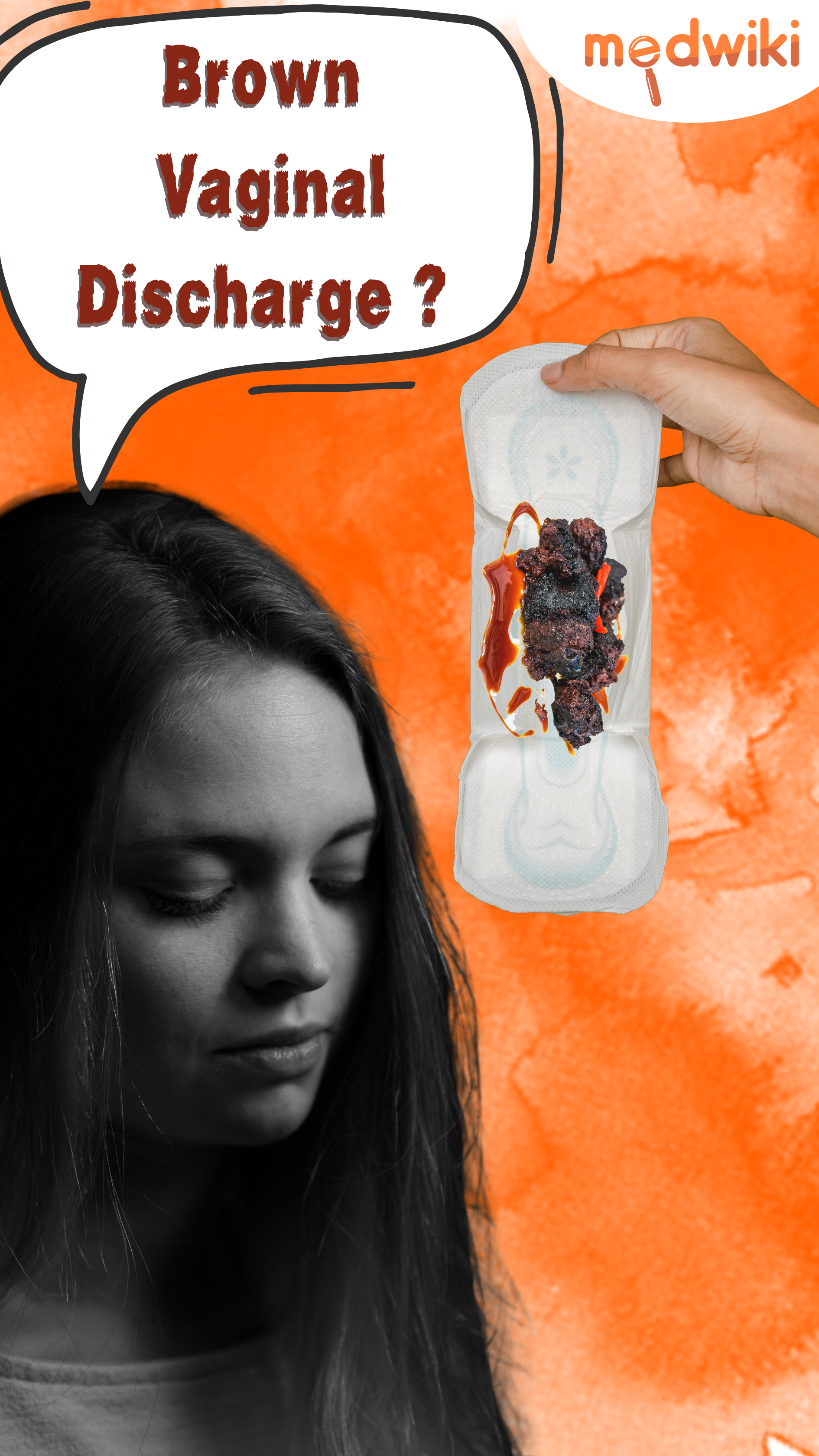
Dark Brown Vaginal Discharge?

Dr. Beauty Gupta
Doctor of Pharmacy
Yoga Asanas for Managing PCOD/PCOS!
Dr. Beauty Gupta
Doctor of Pharmacy