Periods often come with their own set of surprises, and for many people, the emotional changes can be the hardest part to manage. Among these changes,mood swings during periods stand out as one of the most confusing and exhausting experiences. They appear suddenly, stay for unpredictable stretches of time, and affect everything from self confidence to relationships to daily productivity. Even though this is a very common experience, many people still find themselves blaming their personality instead of their biology.This blog explores why these emotional shifts occur, how they show up in everyday life, and what practical steps can help bring stability. Whether someone is dealing with these changes personally or wants to support someone else, deeper understanding always makes the journey easier.Why Do Emotions Change Before and During the Cycle?Hormones do not just control physical functions, they shape emotional patterns too. Before the period starts, the level of estrogen drops whileprogesterone rises, and this change affects the chemicals in the brain that regulate mood. As the cycle continues, these hormones continue shifting, which is whymood swings during periods often feel unpredictable.These hormonal changes influenceserotonin, the chemical that helps with happiness and calmness. When serotonin levels drop, irritation grows quickly and small things feel heavier than they normally would. Fatigue, cravings, and body aches further add to emotional discomfort. When someone feels physically drained, emotional resilience naturally lowers as well.How Mood Changes Feel in Everyday Life?Not everyone experiences the same emotional pattern, but many people describe a few common signs connected tomood swings during periods. These signs might appear a few days before the cycle begins or continue throughout the first few days of bleeding.Some of the common emotional experiences include:Difficulty concentratingGetting irritated quicklyA sudden drop in motivationFeeling disconnected or withdrawnOversensitivity to comments or situationsA sense of emotional heaviness or sadnessFeeling upset or teary without a clear reasonThe intensity can vary from mild to overwhelming. Some people feel only a slight shift while others feel a powerful wave of emotions that makes normal tasks harder to manage.The Psychological Side People Often IgnoreWhat makesmood swings during periods even more complicated is the way society talks about them. Many people are taught to hide their emotions or avoid discussing their cycle openly. As a result, when someone experiences strong feelings, they may think they are being dramatic or weak, when in reality they are going through a biological shift that deserves understanding.This silence can lead to guilt or shame. Instead of seeing the emotions as part of a natural cycle, people blame themselves and push through without support. Over time, this pattern creates emotional exhaustion. A healthier approach is acknowledging the emotional shift without judging it. Emotional changes are not a character flaw. They are a natural reaction to a changing internal chemistry.Signs That Emotional Changes May Be More Than HormonalMost emotional shifts connected to the cycle are normal. However, there are cases where the changes feel too heavy or life disturbing. For example, some individuals experience conditions like PMS or the more severe PMDD. These conditions create extreme mood changes that affect work, studies, relationships, and daily functioning.It is important to seek support if someone notices:Long lasting sadnessThoughts of self harmFeelings of hopelessnessAnger that feels uncontrollableFrequent emotional breakdownsComplete disinterest in daily activitiesSudden withdrawal from family or friendsThese experiences are not justmood swings during periods, they may require medical attention and emotional support. Recognizing the difference between typical cycle related changes and more intense emotional struggles is very important for long term well being.Practical Ways to Manage Emotional ChangesEven though the emotional shift is caused by biology, there are practical steps that can help bring balance and reduce the intensity ofmood swings during periods.1. Listening to the Body Instead of Fighting ItInstead of forcing productivity, it helps to slow down when the body signals exhaustion. Resting is not a sign of laziness. It is part of recovery. Even a small break or quiet moment can reduce emotional overload.2. Eating in a Way That Supports Hormonal BalanceCertain foods help stabilize mood by supporting serotonin production and reducing inflammation. Some helpful options include:Nuts and seeds for healthy fatsLean proteins for steady energyFruits and vegetables for energyWhole grains for stable blood sugarDark chocolate for a natural mood boostAvoiding too muchcaffeine or sugary snacks prevents sudden crashes that worsen irritation.3. Staying HydratedWater sounds simple, but dehydration often increases headaches and fatigue, making emotions feel heavier than they are.4. Gentle MovementIntense workouts may not always feel possible, but gentle activities can help. For example:WalkingStretchingLight yogaSlow dancing in your room just for relaxationMovement releases natural chemicals that improve mood and reduce cramps.5. Handling Stress Before It Builds UpStress andmood swings during periods multiply each other. Practicing even small stress release habits can make a big difference.Some helpful practices are:Deep breathingSpending time outdoorsListening to calming musicWriting thoughts in a simple journalSharing feelings with someone trustedNone of these activities need perfection, they just need consistency.6. Creating Emotional BoundariesOn difficult days, it helps to be mindful of what situations or conversations can be avoided. Saying no without guilt protects emotional energy. It is perfectly valid to protect space when the mind feels fragile.7. Tracking the Emotional PatternUsing a diary or a phone app to mark emotional changes can reveal patterns. Knowing whenmood swings during periods usually appear makes them less surprising and easier to manage. Predictability brings a sense of control.Supporting Someone Who Goes Through These ChangesPeople experiencing cycle related emotional shifts need understanding, not dismissal. Supporting someone going throughmood swings during periods means offering patience and compassion instead of judgment. Simple acts can make a big difference.Supportive actions include:Encouraging restRespecting emotional spaceListening without interruptingOffering help with small tasksAllowing them to express feelings without pressureAvoiding dismissive comments like it is just your periodSupport is most effective when it feels genuine. A calm presence can help someone feel safe even when emotions feel overwhelming.How to Create a Positive Environment During the Cycle?The emotional environment matters as much as the physical condition. A peaceful space can lessen the emotional wave. Creating a comforting environment does not require expensive changes. A few small adjustments can transform the mood.Try things like:Clean beddingA relaxing fragranceComfortable clothesSoft lighting in the roomFavorite music or quiet background soundsThese simple comfort elements help someone feel grounded and emotionally supported.When Emotions Turn Into Growth?Interestingly, the emotional changes that happen during the cycle can also become opportunities for self understanding. Many people notice that during this time, their emotional sensitivity increases. This sensitivity is not a weakness. It can help someone understand what has been stressing them, what they have been ignoring, or what they truly need.By observing the emotions without judgment, people often discover:Hidden forms of stressUnspoken emotional needsAreas of life that require changePersonal boundaries they want to strengthenThe emotional wave becomes a teacher, not just a challenge.ConclusionExperiencingmood swings during periods is not about being emotional or dramatic. It is about navigating a natural change happening inside the body. Understanding these changes rather than judging them leads to a healthier relationship with both the mind and the body. Emotional shifts do not define strength or weakness. They simply reflect a biological rhythm that deserves compassion and support. When people understand their own emotional cycle, they gain confidence. When others respect these emotional needs, relationships become stronger. And when society normalizes these experiences, people feel less alone.Periods are not just a physical cycle. They are an emotional journey that deserves patience, understanding, and care. The more openly we talk about it, the easier the journey becomes for everyone who experiences it. FollowMedwikifor more!Frequently Asked Questions1. Why do mood swings happen during the menstrual cycle?Mood swings appear because the body goes through hormonal changes, especially shifts in estrogen and progesterone. These changes affect serotonin, which plays a major role in emotional balance.2. Are mood swings the same for everyone?No, every person experiences them differently. Some may feel mild irritation while others deal with strong emotional fluctuations. Lifestyle, stress, and overall health also influence the intensity.3. How long do mood swings usually last?They commonly show up a few days before the period begins and may continue for the first couple of days of bleeding. The duration varies from person to person.4. Can diet influence mood changes?Yes, diet has a noticeable impact on emotional stability. Nutrient rich foods help maintain steady energy and balanced hormones, which reduces sudden emotional shifts.5. When should someone seek medical advice?Medical help is important if emotional changes feel overwhelming, interfere with daily functioning, or lead to extreme sadness or harmful thoughts.6. Can exercise reduce emotional discomfort?Gentle physical activity can help reduce mood related discomfort. Movement such as walking or stretching releases natural chemicals that help improve mood.7. Is it normal to feel more sensitive or emotional?Yes, increased sensitivity is completely normal during this time. It is simply the body reacting to hormonal changes and does not reflect emotional weakness.DisclaimerThis information is meant for general awareness only and should not replace professional medical advice or treatment. Anyone experiencing severe emotional symptoms or discomfort should consult a qualified healthcare expert for proper guidance.
Did you know that 1 in 22 urban women in India could develop breast cancer in their lifetime? But you can start doing something about it right now—by performing a self-breast examination at home. It’s simple, quick, and could save your life.Here’s how to do a detailed self-breast examination:Choose the Right Time: Aim to do this check a few days after your period ends when your breasts are less tender. If you're post-menopausal, pick a specific day each month.Look in the Mirror: Stand in front of a mirror and check for any changes in your breast shape or size. Look for things like skin changes, dimples, redness, or swelling.Raise Your Arms: Next, raise both arms over your head and check if there are any changes in your breasts when your arms are up. If you see something different, it’s a good idea to see a doctor.Feel for Lumps: Use your fingers to gently press all over your breasts. Move in small circles, starting from the outer part and working toward the nipple. Apply different pressure levels to the areas around the nipples and collarbones. Look for any lumps or thickened skin.Check the Nipples: Squeeze each nipple gently to see if any unusual fluid comes out. If you notice blood or any strange discharge, see a doctor right away.Don’t Forget the Underarms: Check your armpits too, because breast tissue extends into this area. If you feel any changes, it’s important to get it checked.If you find something unusual, don’t hesitate to talk to a doctor. Early detection can make a big difference.Keep yourself informed, stay safe, and take care of your health.Source:-1. https://cancerindia.org.in/breast-cancer/ 2. https://www.indiancancersociety.org/breast-cancer/index.html
Many women in India experience issues like irregular periods, weight gain, and hormone imbalances because of PCOD/PCOS. But what if I told you that there are easy, natural ways to manage these problems?5 natural ways to manage PCOD/PCOS:Moringa Leaves: They can help balance your hormones and reduce insulin resistance, which is a common cause of PCOS. Studies show that it can lower blood sugar by up to 25% caused by PCOS. You can add moringa powder to smoothies or tea for a healthy boost.Spearmint Tea: Looking for something soothing? Spearmint tea may help reduce high testosterone levels in women with PCOS. High testosterone can cause acne, unwanted hair, and irregular periods. Drinking two cups of spearmint tea daily can reduce these symptoms by 40–50%, making it a simple but effective solution.Apple Cider Vinegar: You’ve probably heard that apple cider vinegar is beneficial for weight loss, but did you know it can help with PCOS too? Studies show that it can improve insulin sensitivity by up to 34%, which helps with managing weight and hormone balance.Ashwagandha: Feeling stressed? Ashwagandha is an herb from Ayurveda that can help with that. It reduces stress by lowering cortisol levels, which are often high in women with PCOS.Fenugreek Seeds: Fenugreek seeds are not only used in cooking but can also help with PCOS. Soaking Fenugreek seeds overnight and eating them in the morning can lower blood sugar levels and make your menstrual cycle more regular.Bonus Tip: Cinnamon Here’s a bonus! Cinnamon is a common spice that can help with PCOS. It helps regulate periods, balance hormones, and lower insulin resistance. Adding just a teaspoon to your tea or oats can make a big difference.By adding these natural remedies to your daily routine, you can reduce the PCOD & PCOS symptoms. Have you tried any of these remedies? If not, maybe now is a good time to start!Source:-1. https://pmc.ncbi.nlm.nih.gov/articles/PMC9745082/ 2. https://pubmed.ncbi.nlm.nih.gov/23666047/ 3. https://pib.gov.in/Pressreleaseshare.aspx?PRID=1893279
Reasons for Excess Vaginal Discharge: Normal or Problematic?Sudden increases in vaginal discharge can happen for many reasons, some of which are completely normal, while others may indicate a medical issue. Let’s discuss the reasons why you might experience more white discharge.Unsure about something you read about Vaginal Discharge ? Ask your health question on Ask Medwiki a trusted source for reliable information.Normal Reasons for Vaginal Discharge:Ovulation: During ovulation, which occurs about 12-15 days before your period, your ovaries release eggs for fertilization. At this time, it's common to have more vaginal discharge. This white discharge is clear and stretchy, similar to egg whites. It helps sperm move and aids in fertilization.Pregnancy: During pregnancy, hormonal changes lead to increased white discharge, and this can continue throughout the pregnancy. This discharge is usually clear and white.Sexual Arousal: When you're sexually aroused, you may notice a watery white discharge that acts as lubrication.Hormonal Birth Control: Using hormonal birth control methods like implants or IUDs can cause an increase in thick white discharge.Medical Reasons to Watch Out For Vaginal Discharge:Yeast Infection: If you have a vaginal yeast infection, the discharge may become thick, white, and clumpy, resembling cottage cheese. It is usually accompanied by vaginal itching and irritation.Bacterial Vaginosis: In this condition, the balance of bacteria in the vagina gets disrupted, and you may notice a smelly, light grey discharge.Sexually Transmitted Infections (STIs): STIs such as gonorrhea or syphilis can increase vaginal discharge and cause a distinct odor.Antibiotics or Other Medications: Sometimes, taking antibiotics can upset the balance of vaginal bacteria, leading to increased white discharge and infections.When to See a Doctor:If your vaginal discharge is clear and normal, there's usually nothing to worry about. However, if the discharge has a bad smell or unusual color, it’s best to consult a doctor.Source:-1. https://www.nhs.uk/conditions/vaginal-discharge/ 2. https://www.healthdirect.gov.au/vaginal-discharge
Menopause is a stage of every woman's life that marks the end of her reproductive years. At this time, women start thinking about “How to deal with Menopause”?Most women experience Menopause naturally between 45 and 55 years of age. However, it is not predictable when each woman will reach menopause.Why deal with Menopause, when it is natural?This stage brings a major change in a woman's life. The hormonal changes associated with Menopause affects all aspects of her health: physical, emotional, mental, and social well-being.However, some may face very less symptoms while the others suffer more.What Menopause symptoms does she need to deal with?Hot flushes and night sweats.Changes in the regularity and flow of menstrual cycleVaginal dryness and pain during sexual intercourseDifficulty in sleepingChanges in mood: depression, anxiety, etc.Other than these typical changes, researches have proved that menopause has a connection to brain health leading towards Dementia and Alzheimer's Disease.5 ideas to deal with Menopause:Dealing with Menopause can be a concern, but preparing ahead can make it easy.Talk with your doctor: Discuss your symptoms like hot flashes, sleep, changes in sexual function and mental health with your doctor. And ask for treatment if applicable.Ask your doctor: For screening of Osteoporosis and how to get enough calcium to help keep bones healthy and prevent fractures.Every two months get a mammogram done, between ages 50 and 74. Ask your doctor about other recommended screenings based on your age and health.Eat healthy and be physically active to avoid serious risk of cardiovascular disease after menopause.Spend time with friends and engage yourself in activities that you enjoy.Many times, we do not know that, symptoms that we are experiencing are related to menopause. So, if you are thinking about facing menopause, such ideas from Mediwki can help alleviate your discomfort.Source:-1. https://medsafe.govt.nz/profs/datasheet/p/primolutntab.pdf 2. https://www.ncbi.nlm.nih.gov/pmc/articles/PMC1127384/
There's a wedding at home, and my period is about to start. I’ll take medicine to delay the periods, and the date will move forward. Are you thinking the same?Everyone does this, but before taking medicine to delay your periods, make sure to consider these points, or it could be dangerous for you.women should avoid taking Primolut N or any medicine to delay their period date:If you’ve had a stroke or blood clot before: Primolut N or other medicines to delay periods contain norethisterone, a synthetic form of progestogen. This hormone converts to estrogen in the body. Estrogen increases the production of proteins in the liver that cause blood clots, which could lead to strokes or other blood clot problems.If you have liver problems: These medicines contain norethisterone or synthetic progestogen, and the liver is responsible for metabolizing hormones like progesterone and estrogen. Taking these medicines increases the progestogen level in the body, which puts stress on the liver and may worsen liver conditions.If you have high blood pressure: The norethisterone hormone in period-delaying medicine causes your blood vessels to narrow and helps your body retain sodium and water, which can lead to a rise in blood pressure.If you have any form of cancer: If you have cancer, such as breast or endometrial cancer, these medicines increase the progestogen level in your body, which can promote the growth of cancer cells, raising the risk further.If you’re pregnant or breastfeeding: In such cases, the medicine can pass through your blood into your breast milk and reach your baby, which may not be safe for them.So, if you have any of these health conditions, avoid taking medicine to delay your periods. And if you’ve already taken it by mistake, consult your doctor immediately.Source:-1. https://medsafe.govt.nz/profs/datasheet/p/primolutntab.pdf 2. https://www.ncbi.nlm.nih.gov/pmc/articles/PMC1127384/
Polycystic Ovary Syndrome (PCOS) is a common hormonal condition that affects around 8 to 13% of reproductive aged women. It usually starts during adolescence. Polycystic ovary syndrome can cause hormonal imbalances, irregular periods and cysts in ovaries further leading to infertility.The sad part is that approximately 70% of the affected women remain undiagnosed worldwide.Early signs of Polycystic Ovarian Syndrome:Symptoms of polycystic ovary syndrome can differ from person to person and they might also change over time.Possible symptoms include:Acne or oily skinExcessive hair growth on the face/ bodyWeight gain, especially around the bellyConcerns with periods like: heavy, long, intermittent, unpredictable or absent periodsInfertilityHow to cure Polycystic Ovary Syndrome (PCOS):It is very difficult to cure PCOS. However, these things might help you during this time:Speak with your healthcare professional: If you are facing irregular periods, trouble getting pregnant or having excessive hair growth and acne.Lifestyle changes: Eat a healthy diet and exercise enough to help reduce weight and risk of type 2 diabetes.Take contraceptive pills: To regulate your menstrual cycle and reduce symptoms.Other Medicines: To reduce acne or unwanted hair growth.Take your medications on time and consult your health professional at frequent intervals to help manage your PCOS concern.Source:- 1. https://www.ncbi.nlm.nih.gov/pmc/articles/PMC3737989/ 2. https://www.who.int/news-room/fact-sheets/detail/polycystic-ovary-syndrom e
Vaginal boils can be painful, stressful and frustrating, especially when they appear without warning and make daily movements uncomfortable. Many people look for natural ways to calm the discomfort before deciding whether they need medical care. This is wherevaginal boils home remedies can offer simple, gentle and practical relief. When used correctly, these natural approaches can support healing, reduce irritation and give the skin a chance to recover.Before exploring these methods, it is important to remember that any persistent pain,high fever, spreading redness or recurring boils should be checked by a healthcare professional. Natural care is helpful, but safety always comes first. With that said, let us dive into a complete guide that explains how to care for the skin with calm confidence, using both primary and secondary keywords in a natural way.Understanding Why Boils FormBoils in this delicate area usually occur when hair follicles become blocked with sweat, bacteria or excess friction. Warm weather, tight clothing, shaving the area or waxing can also irritate the skin. Hormonal changes, lower immunity and underlying health conditions can increase the chances of these painful bumps.This is whyvaginal boils home remedies often focus on soothing inflammation, encouraging the boil to naturally drain and supporting the body in fighting bacteria. The goal is not to aggressively treat the skin but to comfort it so that it can heal.You can explore more helpful information on vaginal boils right here↗Warm Compress TherapyOne of the simplest natural approaches is the warm compress method. Using a clean cloth soaked in warm water and gently placing it on the affected area helps encourage circulation. This increased flow of blood allows the boil to soften with time, which can ease pain and help the body expel trapped fluid.This method is gentle, inexpensive and something you can repeat several times a day. Consistency is key. It supports the skin without harsh ingredients, making it a soothing choice amongvaginal boils home remedies.Salt Water CleansingSalt water has been used for generations as a natural cleansing option. Salt helps reduce moisture around the boil and may limit bacterial growth. You can mix clean warm water with a small amount of salt and use a soft cloth to gently dab the area.This is not a cure and should never cause discomfort. If the skin feels irritated, stop the process. Still, many people find this simple practice calming and refreshing, especially when the boil feels tender or swollen.Tea Tree Oil DilutionThis ingredient is a popular secondary keyword due to its natural cleansing properties. However, puretea tree oil is strong and should never be applied directly to sensitive skin. Always dilute it well with a carrier oil like coconut or olive oil.A tiny amount gently applied around but never inside the vaginal area may help reduce irritation. This natural remedy must be used sparingly and cautiously. If you notice any burning or redness, discontinue right away. Natural care should never become harsh care.Turmeric PasteTurmeric is known for its soothing qualities and has been part of traditional wellness practices for centuries. Many people mix a small amount of turmeric powder with clean water to create a soft paste. When applied gently above the affected area, it may encourage the boil to calm down.Its warm earthy fragrance and soft texture make it feel comforting. Again, this should never be inserted internally. It works only externally and should be washed off after some time. Amongvaginal boils home remedies, turmeric is often appreciated for its gentle support.Aloe Vera TouchAloe vera gel is loved for its natural cooling sensation. Its refreshing texture can help ease burning, swelling or dryness. Use pure aloe gel taken from the plant or ensure that the packaged version is unscented and free from harsh additives.Apply a thin layer over the skin and allow it to settle. Many people find the cooling effect relaxing and pleasant. It brings relief without clogging pores or introducing anything harsh.Coconut Oil CareCoconut oil brings a soft soothing layer to irritated skin. It is gentle, naturally moisturizing and may provide comfort when used correctly. Apply a small amount externally and let it absorb. This can help prevent excessive dryness and friction in the area.Though it may not treat the boil directly, it supports the surrounding skin so that it stays calm throughout the healing process.Clothing Choices MatterTight synthetic clothing creates friction and traps moisture. Soft breathable cotton garments keep the area dry and fresh. This simple lifestyle change supports every part of the healing process. Loose clothing prevents unnecessary rubbing which can make boils worse or delay healing.When usingvaginal boils home remedies, your day to day choices make a huge difference.Managing Shaving and Hair RemovalShaving creates tiny openings and irritation, which can trigger boils. If you already have a boil, avoid shaving until the skin is fully healed. If you must remove hair later, consider trimming instead of shaving closely.Use clean tools, go slowly and apply soothing gel afterward if your skin is sensitive. Prevention is just as important as treatment.Staying Clean With CareGentle hygiene is essential. Use mild fragrance free cleansers that do not strip the skin of natural moisture. Harsh products can disturb the delicate balance of the intimate area and worsen irritation.Rinse with clean water and pat dry. Never rub the area since that creates more friction. Supporting the skin environment helps every other remedy work better.Boosting the Body from WithinA healthy immune system assists with quicker skin recovery. Drinking enough water, choosing fresh fruits and vegetables and reducing added sugar supports your body from within. Warm herbal teas, vitamin rich foods and consistent rest also encourage healing.Although this approach seems simple, internal balance always influences external healing.When Natural Remedies Are Not EnoughMost boils settle on their own with time and gentle care. However, some situations require medical attention. Seek help if the boil grows rapidly, becomes extremely painful, develops red streaks or if you notice fever or fatigue. Also seek medical advice if you get recurrent boils often since it may indicate another underlying issue.Safety is essential and natural methods are meant to support your body, not replace necessary medical care.Making These Remedies Work TogetherNo single remedy is a miracle solution. Instead, a combination of warm compresses, gentle cleansing and supportive lifestyle choices makes the healing journey smooth and steady. Usingvaginal boils home remedies consistently and patiently gives your skin the care it needs.Mixing too many remedies at once can irritate the skin. Choose two or three that feel comfortable and simple. Listen to your body and give it time.A Balanced Approach Toward HealingThe ultimate goal is comfort, cleanliness and healthy skin. Natural care works best when paired with patience and observation. Do not squeeze the boil, avoid harsh scrubbing and give your body the time it requires to heal gently.This balanced approach also helps prevent future irritation. Proper hygiene, breathable clothing and mindful hair removal habits reduce the chances of recurring boils.A Thoughtful Closing MessageCaring for such a sensitive part of the body requires a calm and gentle approach.Vaginal boils home remedies give you a natural way to support your skin without overwhelming it. When combined with healthy habits and a watchful eye, they form a comforting routine that helps the skin recover. Healing becomes easier when you treat your body with patience, respect and attention. FollowMedwikifor more!Frequently Asked Questions1.What causes vaginal boils most often?They usually develop due to irritated hair follicles, blocked pores, excess friction, trapped sweat or bacteria entering small openings in the skin.2.Can natural remedies replace medical treatment?Natural methods can support healing, but they cannot replace medical care when symptoms become severe, persistent or spread.3.How long does a boil take to heal naturally?Most boils heal within several days to a couple of weeks depending on their size and the level of care given. Warm compresses often help speed the process.4.Is it safe to use aloe vera around the area?Pure aloe vera is generally safe when used externally. Always test it on a small patch of skin first to avoid unexpected irritation.5.Can I pop a vaginal boil to speed healing?No. Popping a boil can spread infection and cause deeper skin damage. It is safer to let it drain naturally or seek medical help if needed.6.What type of clothing should I wear while healing?Soft breathable cotton underwear and loose clothing help keep the area dry, reduce friction and support the healing process.7.Are recurrent boils a sign of something serious?Recurring boils may point to underlying concerns such as infections, lowered immunity or hormonal imbalance. A healthcare professional can evaluate the cause.
Shorts
How to Do Breast Cancer Self-Examination at Home?

Mrs. Prerna Trivedi
Nutritionist
Breast Cancer: Few Symptoms to know!
Mrs. Prerna Trivedi
Nutritionist
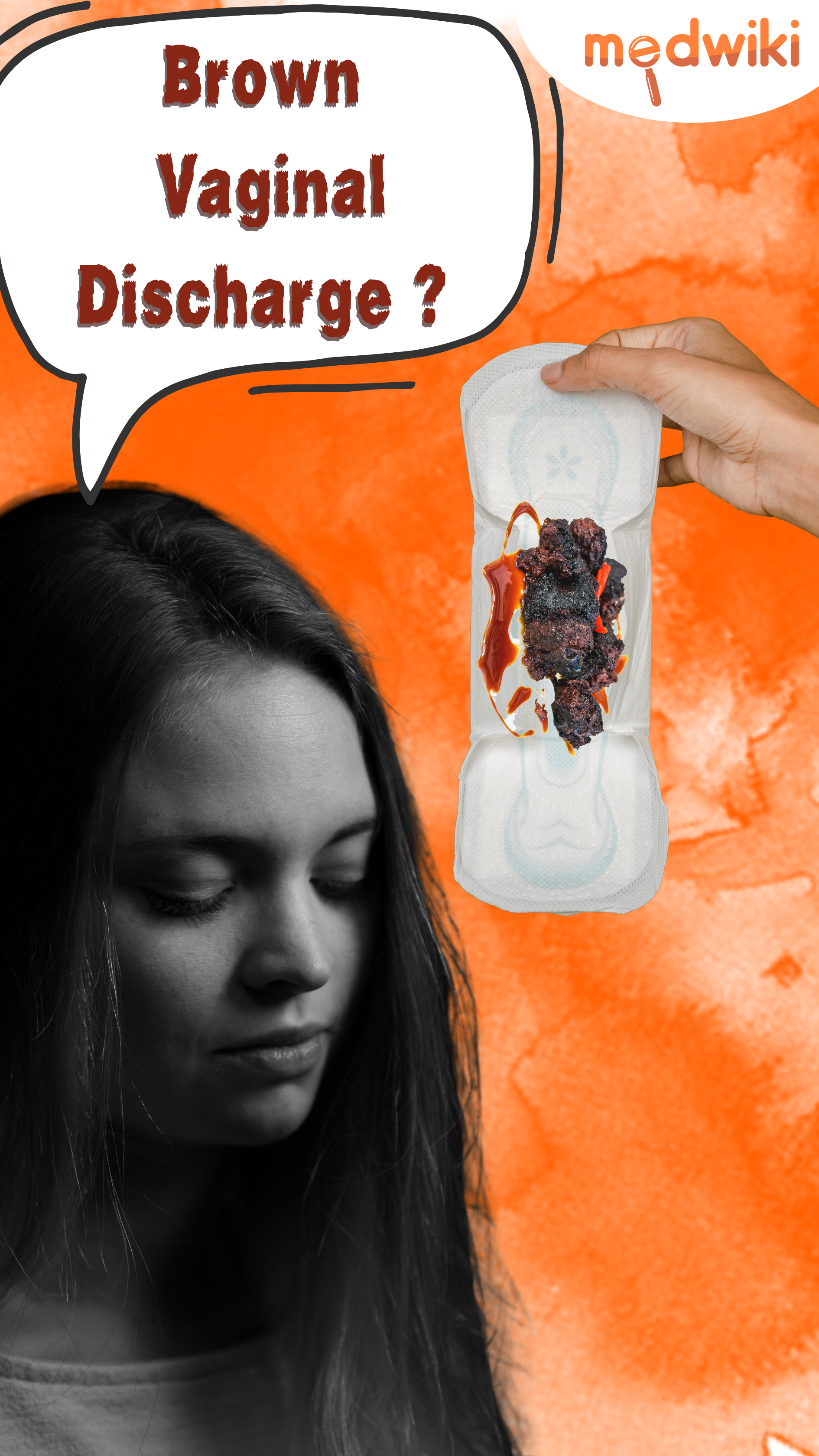
Dark Brown Vaginal Discharge?

Dr. Beauty Gupta
Doctor of Pharmacy
Yoga Asanas for Managing PCOD/PCOS!
Dr. Beauty Gupta
Doctor of Pharmacy