

1:15
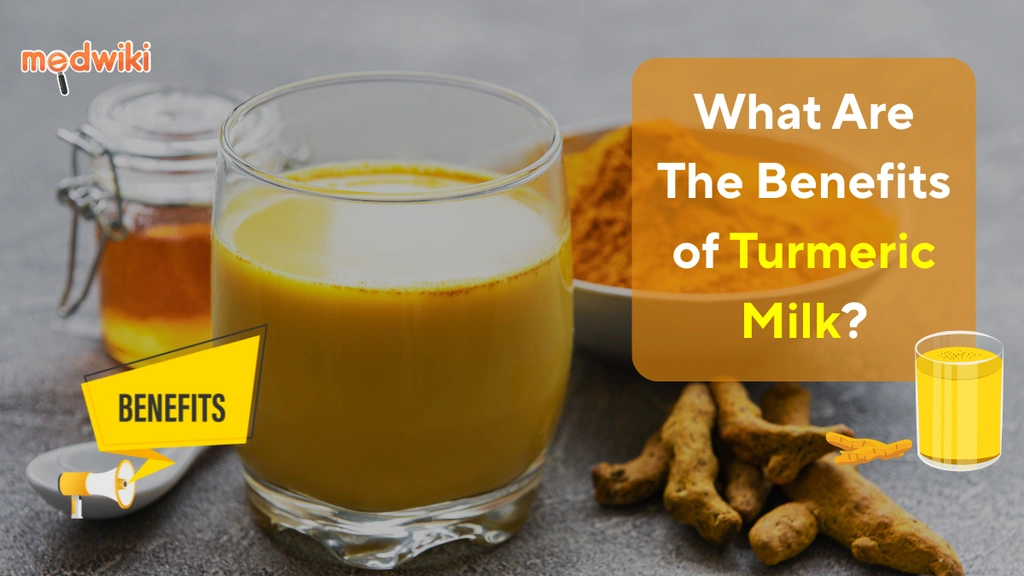
Turmeric milk, also called golden milk, is a super healthy drink. It contains a special compound called curcumin, which has many benefits for the body.Benefits of Turmeric Milk: Why Drinking turmeric milk is good for you and how it worksStrong BonesFirst, let’s talk about strong bones. Turmeric milk helps make bones stronger. Curcumin increases bone density and keeps bones flexible. This can help prevent problems like osteoporosis. It also activates the cells that repair bone damage. So, even as you grow older, your bones stay healthy and strong.Anti-AgingNow, let’s discuss aging. Nobody wants wrinkles and loose skin, right? Turmeric milk has antioxidants that protect the body from harmful free radicals. These free radicals damage cells and cause early aging. Drinking turmeric milk reduces inflammation, which helps keep skin smooth and firm. It also improves metabolism, burns fat, and removes toxins from the body. This keeps your weight balanced and your body healthy.Brain HealthDid you know turmeric milk is also good for your brain? Curcumin reduces inflammation in the brain and helps brain cells grow. It improves memory and can prevent diseases like Alzheimer’s. It also removes harmful toxins that can damage brain cells. Studies show that curcumin even protects the brain from stroke by improving blood flow.Immunity BoosterIn today’s world, staying healthy is very important because diseases spread so fast. Turmeric milk helps boost immunity. Curcumin has antiviral properties that can fight viruses like dengue, chikungunya, herpes, and Zika. It strengthens the body’s defense system, making it easier to fight infections.Liver DetoxNow, let’s talk about the liver. The liver removes toxins from the body, but if it gets weak, harmful substances build up inside. Turmeric milk helps detox the liver. It removes waste, improves liver function, and repairs liver cells. Curcumin also keeps liver enzymes active, which helps cleanse the body.A Superfood for Overall HealthTurmeric milk is not just an ordinary drink—it’s a superfood that makes your body stronger from the inside. So why not start drinking it daily? It’s a simple habit that can bring big health benefits!Source:- 1. https://pmc.ncbi.nlm.nih.gov/articles/PMC8990857/2. https://www.ncbi.nlm.nih.gov/books/NBK92752/3. https://pmc.ncbi.nlm.nih.gov/articles/PMC7522354/4. https://www.ncbi.nlm.nih.gov/books/NBK548561/5. https://pubmed.ncbi.nlm.nih.gov/29065496/

1:15
Poop turning green is completely normal and happens to many people. If the only change you notice is the color, there’s usually nothing to worry about. But why does poop turn green?One of the biggest reasons is the food you eat. If you eat a lot of green vegetables like spinach or broccoli, their natural green pigment called chlorophyll can pass through your digestive system and change the color of your poop. It’s not just vegetables—other foods can also make your poop green, such as blueberries, green apples, basil, coriander, green tea powder (matcha), and even pistachios. If food is the reason, your poop will go back to normal in a day or two.Still have questions about green poop? Get trustworthy answers from verified sources on Ask Medwiki.Another common reason is food dye. If you eat foods with green coloring, like green cakes, candies, or drinks, the artificial color can pass through your system and affect your poop color. Sometimes, even blue or purple food dye can mix with digestive juices and make poop look green. But don’t worry—once the dye leaves your body, everything returns to normal.Certain medicines can also change poop color, especially antibiotics. These medicines affect the balance of good and bad bacteria in your gut, which can sometimes make poop turn green. If you have diarrhea, bile juice might not get fully broken down, making your poop look green as well.Infections caused by bacteria, viruses, or parasites can also be a reason. Some common ones include Salmonella, E. Coli, Norovirus, and Giardia. If you have green poop along with stomach pain, vomiting, or weakness, it might be due to an infection, and you should see a doctor.Some digestive diseases can also cause green poop. Conditions like Irritable Bowel Syndrome (IBS), Ulcerative Colitis, and Crohn’s Disease can affect digestion and sometimes lead to green-colored poop. If you’ve had gallbladder surgery, you might also experience this change.But when should you see a doctor? If your poop stays green for a long time and you also have symptoms like severe stomach pain, weight loss, blood in poop, very light-colored poop, high fever, or continuous vomiting, it’s best to get checked by a doctor.So, the next time you see green poop, think about what you ate recently.Source:-1. https://health.clevelandclinic.org/green-poop2. https://www.webmd.com/digestive-disorders/what-do-different-poop-colors-mean3. https://pubmed.ncbi.nlm.nih.gov/25681196/4. https://www.england.nhs.uk/wp-content/uploads/2023/07/Bristol-stool-chart-for-carer-web-version.pdf5. https://pmc.ncbi.nlm.nih.gov/articles/PMC8629020/

1:15
Have you ever heard about prebiotics?Prebiotics are a type of fiber that our body cannot digest, but they help the good bacteria in our stomach grow and keep our digestive system healthy. These good bacteria are important because they help with digestion, boost our immune system, and keep our gut happy.Best 5 Natural Prebiotic FoodsToday, we are going to talk about some amazing foods that are natural prebiotics. By including them in your diet, you can keep your stomach healthy and feel better overall. So, let's start without any delay!1. GarlicGarlic is not just for adding flavor to food, but it is also great for health. It contains prebiotics like inulin and FOS, which help the good bacteria in your stomach grow. Eating garlic can also boost your immunity, which means your body can fight off infections better. It also reduces inflammation in the body, making you feel healthier.2. OnionOnion is something we all have in our kitchens, but did you know it is also full of prebiotics? It contains inulin and FOS, just like garlic, which helps strengthen the digestive system and improves the immune system. Onions also help reduce bad cholesterol (LDL) in the body and prevent high blood pressure. So, adding onions to your meals can be a great way to stay healthy.3. BananasBananas are a favorite fruit for many people, but not everyone knows they contain prebiotics too. Bananas have inulin, a type of fiber that helps good bacteria grow in your stomach. This makes digestion smoother and helps reduce bloating or stomach discomfort. If you often feel heaviness in your stomach or face digestion problems, adding bananas to your diet can really help.4. OatsOats are another great food for gut health. They contain a special type of water-soluble fiber called beta-glucan, which helps improve digestion. Oats also lower cholesterol levels and help control blood sugar. Eating oats regularly can keep your gut happy and provide you with long-lasting energy. So, don’t forget to include this superfood in your diet.5. ApplesApples are not just delicious but also great for your stomach. They contain a fiber called pectin, which acts as food for the good bacteria in your gut. Pectin also helps produce short-chain fatty acids (SCFAs), which strengthen the gut lining and reduce stomach inflammation. Plus, apples can help with constipation, keeping your digestion smooth and healthy.These are five amazing foods that help increase good bacteria in your stomach and improve digestion. Include them in your daily diet and enjoy better gut health!Source:- 1. https://pmc.ncbi.nlm.nih.gov/articles/PMC6041804/2. https://pmc.ncbi.nlm.nih.gov/articles/PMC9505924/3. https://pmc.ncbi.nlm.nih.gov/articles/PMC3705355/4. https://www.webmd.com/diet/foods-high-in-prebiotic5. https://www.webmd.com/digestive-disorders/prebiotics-overview
1:15
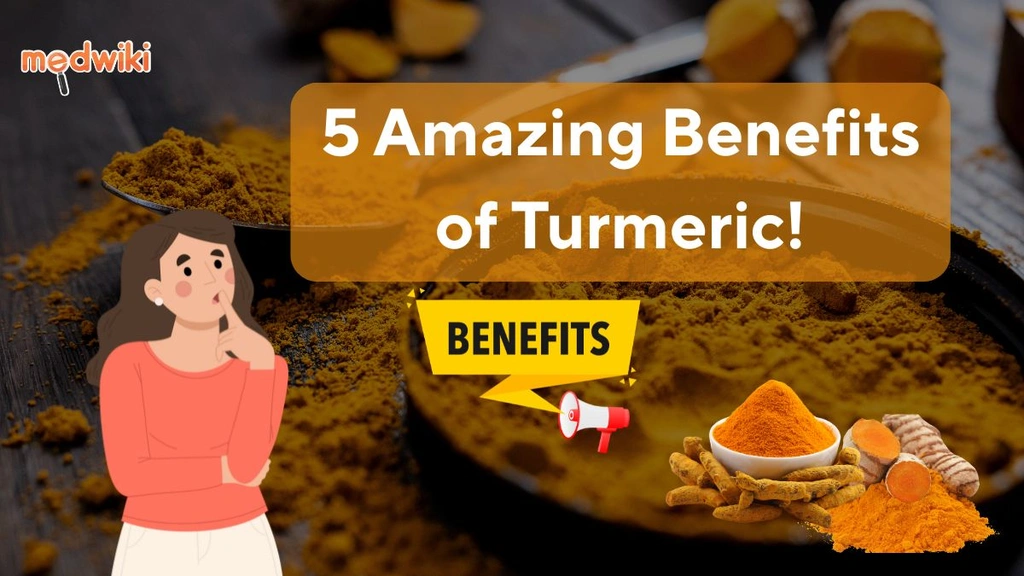
Did you know that a simple spice in your kitchen can work like a superfood for your health? Yes, we are talking about turmeric.We will share 5 amazing benefits of turmeric that can make a big difference in your health.Turmeric Helps Control Blood SugarDiabetes is becoming very common these days, but turmeric can help in controlling it.Turmeric reduces inflammation in the body, which helps improve insulin resistance. Insulin is the hormone that controls blood sugar levels. If insulin does not work properly, there is a higher risk of developing type 2 diabetes.Turmeric also improves the working capacity of beta cells in the pancreas. These beta cells produce insulin, which keeps blood sugar levels in control.Additionally, turmeric supports gut health by helping good bacteria work efficiently. This ensures that the body uses sugar properly, reducing diabetes symptoms.Turmeric Improves MemoryDid you know that dementia cases are lower in India compared to other countries? One reason could be turmeric! It reduces brain inflammation and helps improve memory.Turmeric contains curcumin, which increases the levels of brain-derived neurotrophic factor (BDNF). BDNF helps in developing new neurons in the brain.When BDNF levels are low, memory becomes weak, and the risk of diseases like Alzheimer’s increases. Eating turmeric helps boost BDNF levels, keeping the brain healthy and preventing memory loss with age.Turmeric Protects Heart HealthHeart diseases are very common today, but turmeric can help keep your heart healthy.When oxidative stress increases in the body, cholesterol starts accumulating in the arteries, blocking blood flow. Turmeric helps reduce oxidative stress and keeps the arteries clean.Turmeric also helps control blood pressure and supports the formation of new blood vessels. It keeps the inner lining of blood vessels, called the endothelium, healthy. This reduces the risk of heart attacks and strokes.Turmeric Reduces InflammationCurcumin, found in turmeric, is a natural anti-inflammatory compound that helps reduce swelling in the body.When we get injured or infected, our body releases chemicals that cause inflammation. Curcumin helps control these chemicals, allowing the body to heal faster.Arthritis causes swelling in the joints, leading to pain and stiffness. Turmeric helps reduce this swelling and keeps the joints flexible, making movement easier.Turmeric Boosts ImmunityCurcumin in turmeric is a powerful antibacterial, antiviral, and antifungal compound. It helps increase white blood cells, which fight bacteria and viruses.Turmeric is also effective against harmful bacteria like E. coli, Helicobacter pylori, and Streptococcus pneumoniae.Additionally, turmeric balances cytokines, substances that control the body's immune response. This means it helps protect against common colds and even serious illnesses.Source:- 1. https://pmc.ncbi.nlm.nih.gov/articles/PMC8990857/2. https://www.ncbi.nlm.nih.gov/books/NBK92752/3. https://pmc.ncbi.nlm.nih.gov/articles/PMC7522354/4. https://www.ncbi.nlm.nih.gov/books/NBK548561/5. https://pubmed.ncbi.nlm.nih.gov/29065496/

1:15
Fiber is a type of nutrient that is very important for our digestive system. It helps in digesting food, keeps the stomach full for a longer time, and prevents problems like constipation.Which foods have a high amount of fiber and how they benefit our bodyBeansBeans are an excellent source of fiber! One bowl of beans contains around 4 to 10 grams of fiber, which is great for your health. They have a special type of fiber called resistant starch, which helps control blood sugar levels and reduces the risk of diabetes. Beans also contain two types of fiber – soluble and insoluble. Soluble fiber helps lower bad cholesterol (LDL), keeping your heart healthy. Insoluble fiber cleans your intestines and improves digestion, making your stomach feel light and healthy.PearIf you love sweet fruits, pear is a perfect choice! A medium-sized pear has about 5.5 grams of fiber. It contains pectin fiber, which increases good bacteria in the stomach and improves digestion. Pectin is a type of soluble fiber that also helps prevent constipation, making your stomach feel better.AvocadoHalf a cup of avocado contains around 5 grams of fiber. This fruit is different from others because it also has healthy fats! Avocado has a special type of fiber called glucomannan, which controls hunger and helps with weight loss. It also contains both soluble and insoluble fiber, which helps detox the body and keeps the stomach clean.RaspberryThese small, bright red fruits are not just beautiful but also super healthy! Half a cup of raspberries contains around 4 grams of fiber. They are rich in pectin fiber, which makes the digestive system stronger. Raspberries also have insoluble fiber, which helps with smooth bowel movements and prevents constipation.OatsOne cup of raw oats has around 8 grams of fiber. Oats contain a special fiber called beta-glucan, which reduces cholesterol and keeps the heart healthy. Another fiber called cellulose, found in oats, improves digestion and helps in preventing constipation. Oats also keep you full for a long time, reducing hunger and helping in weight control.Chia SeedsIf you feel hungry often, chia seeds can be your best friend! A handful of chia seeds contains around 9.75 grams of fiber. These tiny seeds have a special type of fiber called mucilage, which forms a gel-like layer when soaked in water. This gel helps in digestion and also supports weight loss by keeping you full for a longer time.So, friends, don’t forget to add these high-fiber foods to your diet! Eating fiber-rich foods every day will keep your stomach happy, improve digestion, and make you feel healthier.Source:-1. https://pubmed.ncbi.nlm.nih.gov/32644459/2. https://pmc.ncbi.nlm.nih.gov/articles/PMC7589116/3. https://pmc.ncbi.nlm.nih.gov/articles/PMC9268622/4. https://www.webmd.com/cholesterol-management/features/fiber-groceries5. https://www.webmd.com/diet/high-fiber-foods
1:15
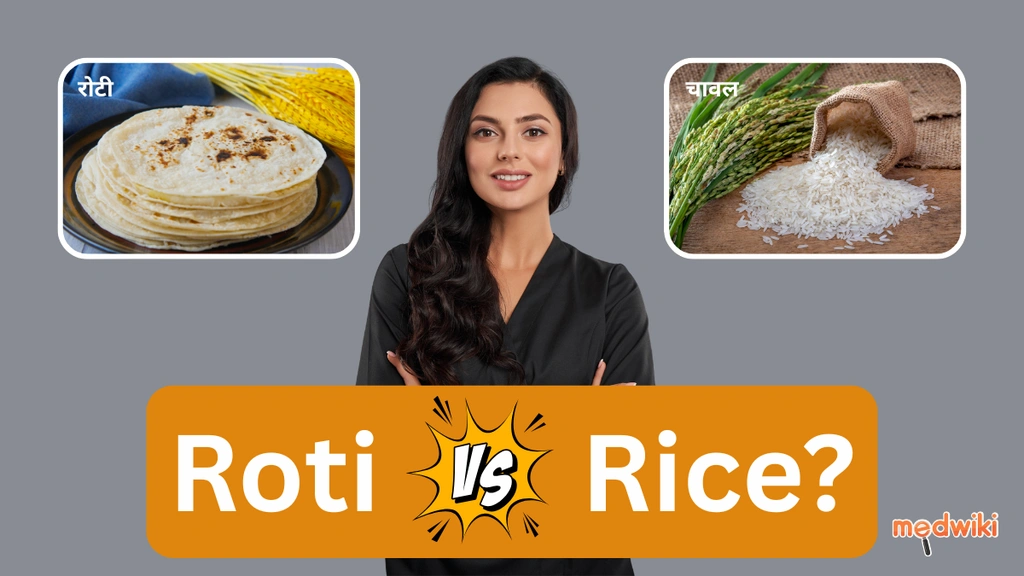
If you are trying to lose weight, you must have wondered whether roti or rice is better.Both are an important part of our daily diet, but they affect our bodies differently. Let’s understand how they can help in weight loss.Still have questions about roti vs rice? Get trustworthy answers from verified sources on Ask Medwiki.Rice or Roti: What Is Best Option for Weight LossNutrientsBoth roti and rice are good sources of carbohydrates, but they have some differences.Roti:Roti contains fiber, protein, iron, and magnesium. Wheat roti has complex carbohydrates that digest slowly, keeping you full for a longer time.Not just that, roti made from millets like bajra, jowar, chana, or barley has even more fiber and protein, making it even better for weight loss.Rice:White rice has a high amount of carbohydrates but less fiber, so it digests quickly and makes you feel hungry sooner.However, brown and red rice have more fiber and antioxidants, which improve digestion and can help in weight loss. They also contain magnesium and vitamin B6, which boost metabolism.Glycemic Index (GI)GI tells us how quickly a food increases blood sugar levels. Foods with a high GI raise sugar levels quickly, while low GI foods release energy slowly and are considered better for health.GI of Roti:The GI of wheat roti is around 30-55, which is in the low to medium range.Millet rotis like bajra, jowar, and chana have an even lower GI, making them great for weight loss.Since roti releases glucose slowly, it helps in controlling blood sugar and keeps you full for a longer time.GI of Rice:White rice has a GI of 70-90, which is considered high. It digests quickly and increases blood sugar levels faster.Brown rice has a GI of around 50-55, which is lower than white rice, making it a better option.Red and black rice have more fiber and antioxidants, making them much healthier than white rice and beneficial for weight loss.Hunger Control and DigestionFor weight loss, it is important to eat foods that keep you full for longer and prevent frequent hunger.Roti:Since roti has more fiber and protein, it keeps you full longer compared to rice.Multigrain rotis (made with barley, chana, bajra, or soybean) are even more beneficial because they have higher nutritional value and slow down digestion.Rice:White rice digests quickly, making you feel hungry again in a short time. Brown and red rice have more fiber, so they digest more slowly than white rice.So, what should you eat for weight loss?If you prefer eating white rice, pair it with dal, vegetables, or curd to lower its GI and slow down digestion.If you need quick energy and want your food to digest faster, rice is a good option. But for weight loss, avoid white rice and choose brown or red rice instead.If you want to stay full for a longer time, control your blood sugar, and reduce frequent hunger, roti is a better option—especially millet rotis like bajra, jowar, chana, or barley. These are great for weight loss too.The best way to lose weight is to maintain a balanced diet. You can eat brown or red rice for lunch and fiber-rich roti for dinner.Source:- 1. https://pubmed.ncbi.nlm.nih.gov/33336992/2. https://pubmed.ncbi.nlm.nih.gov/31619639/3. https://pmc.ncbi.nlm.nih.gov/articles/PMC10609867/4. https://pubmed.ncbi.nlm.nih.gov/39942075/5. https://pmc.ncbi.nlm.nih.gov/articles/PMC10814883/

1:15
The festival of colors, Holi, is coming soon. First of all we from Medwiki would like to wish you all a very Happy Holi. We want your Holi to be fun and healthy, so let's talk about how Holi colors can negatively affect our health and how we can take care of ourselves to make our Holi more enjoyable and safe.Skin AllergyHoli colors contain industrial dyes and chemicals that can cause skin allergies. These can lead to rashes, redness, pimples, and itching. So, use natural colors instead of synthetic ones, and don't forget to apply coconut oil on your body before playing with colors.Respiratory IssuesHoli colors can also cause respiratory issues. The chemicals in the colors can worsen asthma, bronchitis, and COPD (Chronic Obstructive Pulmonary Disease). If you have any respiratory problems and love playing Holi, make sure to play with wet colors instead of dry ones. Also, wear a mask while playing Holi. Those who use inhalers should keep them handy all the time.Eye injuriesOur eyes are very sensitive, and these colors can harm them. The dangerous chemicals in the colors can cause redness, pain, and watery eyes. So, be careful not to get colors near your eyes while playing Holi. Wearing sunglasses is also a good way to keep your eyes safe.Stomach InfectionWhile playing Holi, we often eat snacks like gujiya and shakarpara. Eating with colored hands can introduce chemicals into our stomach and cause infections. So, wash your hands well with soap before eating anything and avoid fried foods.By keeping these small tips in mind, you can make your Holi both fun and healthy. Once again, Happy Holi to you and your family from all of us.Source:- https://redcliffelabs.com/myhealth/health/holi-hai-enjoying-the-festivities-with-mindful-eating-and-allergy-awareness/

1:15
Dry cough is when you cough, but there’s no mucus or phlegm coming out. You can try some home remedies to help feel better.8 simple remedies to Stop Dry Cough FastStay hydrated.The easiest solution is to drink plenty of water and liquids. Hot tea, honey-lemon water, or even just warm water can help soothe your throat. You can also try drinking warm soup.When your throat gets dry, it gets irritated and makes you cough more. But if you stay hydrated throughout the day, your throat will stay moist and the irritation will reduce.Use a humidifier.Sometimes, the air in your room makes your cough worse. If the air is too dry, it can dry out your throat and make you cough more. The solution is a humidifier.A humidifier keeps moisture in the air, which can help your throat feel better and reduce the cough. If you don't have a humidifier, you can place a bowl of water in your room or hang a wet towel to add moisture to the air.Steam inhalation and hot showers.If your cough is really bad, you should try inhaling steam or taking a hot shower. Hot steam helps reduce swelling inside your nose and throat and soothes your throat.Taking steam before bed can help you sleep better. If you want to make it more effective, you can add a bit of Vicks to the hot water. This helps loosen mucus and makes it easier to breathe.These foods and drinks can also help with dry cough.Ginger.First, let's talk about ginger. It contains bioactive compounds called Gingerol and Shogaol. These compounds help reduce inflammation and soothe your throat.Ginger also has antibacterial and antiviral properties that can help reduce a dry cough caused by bacteria or viruses in your throat. To ease a dry cough, you can drink ginger juice with honey or make a ginger tea by boiling it in water.Garlic.Next is garlic. Garlic contains a powerful compound called Allicin. It acts like a natural antibiotic and helps fight infections.Allicin also boosts your immune system, helping your body fight coughs and colds. To help with dry cough, you can boil garlic in hot water and drink it.Turmeric.Now, let’s talk about turmeric, which is found in every home in India! It contains a compound called Curcumin, which is anti-inflammatory and antiseptic. It helps reduce throat swelling and strengthens immunity.If you have a bad cough, drinking milk with turmeric can give you quick relief. You can also mix turmeric in hot water and drink it.Tea.Another simple remedy is tea! The flavonoids and theophylline in tea help reduce throat irritation and expel cough. Drinking green tea, herbal tea, or basil-ginger tea can be very helpful.Honey.If you're struggling with dry cough, try eating a spoonful of honey. It creates a coating in your throat, reducing irritation and itching.Honey also has properties that reduce throat swelling, helping to treat the cough from the inside. You can mix honey in warm water or ginger tea for added benefits.So, these are some remedies and foods that can help with dry cough. However, if your cough doesn’t improve or gets worse, and you also have a fever, difficulty breathing, or chest pain, make sure to consult a doctor.Source:- 1. https://pmc.ncbi.nlm.nih.gov/articles/PMC2080754/2. https://www.nhs.uk/conditions/cough/3. https://mft.nhs.uk/app/uploads/2021/05/Cough.pdf4. https://www.webmd.com/cold-and-flu/cough-get-rid-home-hacks5. https://www.webmd.com/cold-and-flu/ss/slideshow-natural-cough-remedies
Shorts

Watermelon Benefits! Stay Hydrated and Healthy in Summer!

Mrs. Prerna Trivedi
Nutritionist

How Can Bael Fruit Keep You Cool And Healthy This Summer?

Drx. Salony Priya
MBA (Pharmaceutical Management)

Can brushing after meals cause damage?
Mrs. Prerna Trivedi
Nutritionist

6 Simple Ways to Get Rid of Bad Breath Naturally!
Mrs. Prerna Trivedi
Nutritionist

Know Us
@2026 Medwiki Pvt Ltd. All Rights Reserved