


1:15
What is Ghee Coffee or Bulletproof Coffee?Ghee coffee is simply brewed coffee mixed with 1-2 teaspoons of ghee (clarified butter). Some people also add a pinch of cinnamon powder for extra flavor. It's also known as "Bulletproof Coffee."But why is ghee coffee so popular?Ghee coffee has been used in India and countries like Tibet for centuries, especially in Ayurveda, which mentions the numerous health benefits of ghee. Recently, celebrities like Shilpa Shetty and Kriti Sanon have made it more popular by including it in their morning routines. The unique flavor and health benefits are what make it so trendy today.Health benefits of ghee coffee!Boosts energy levels: Ghee contains healthy fats that release energy slowly, keeping you full and energized for a longer time. This can also help with weight loss by reducing hunger.Improves digestion: Ghee has butyric acid, which helps healthy gut bacteria grow and nourishes the digestive tract, reducing bloating and improving overall digestion.Increases focus: The caffeine from coffee and the healthy fats from ghee work together to improve mental clarity, focus, and provide sustained energy.Boosts immunity: Ghee is rich in vitamins A and E, which help boost your immunity, making you less prone to infections.Promotes glowing and healthy skin: Ghee is packed with antioxidants that nourish and hydrate the skin, making it look glowing and healthy.While ghee coffee is both healthy and tasty, it's best consumed in the morning or at least 8-9 hours before bedtime.So, why not try ghee coffee and share your experience with us in the comments, including its taste and health benefits!Source:- 1. https://www.ncbi.nlm.nih.gov/pmc/articles/PMC10789628/ 2. https://www.ncbi.nlm.nih.gov/pmc/articles/PMC8181361/
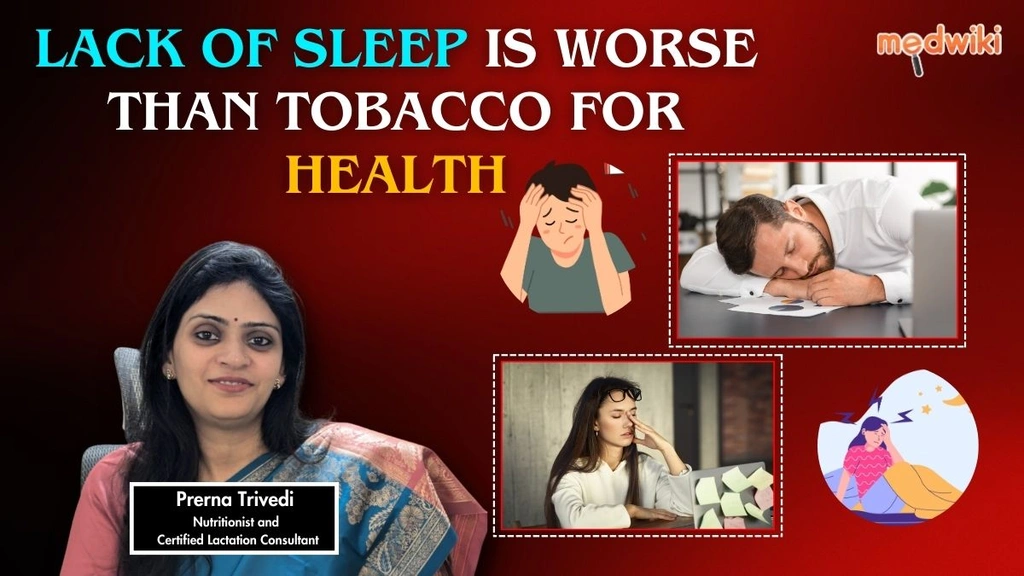
1:15
Lack of sleep is a common yet frequently overlooked health problem that we hear people complaining about. At one time, sleep was considered an inactive phase in which the body and the brain rest from the day’s activities. But scientists have found that the brain goes through different patterns of activity throughout the sleep cycle and even it is sometimes more active when we are asleep.Sleep loss in adults is generally referred to sleep of shorter duration (less than 7 to 8 hours per night). Feeling sleepy during the day, depressed mood and poor memory are a few symptoms of sleep loss.We need sleep to maintain proper body functions and health. In fact we sleep each night as a means of restoring our bodies and minds.The 2 major causes of lack of sleep are:Lifestyle/ occupational like shift jobs, prolonged working hours, irregular sleep schedules, jet lags, etcSleep disorders like insomnia, sleep disordered breathing, etc.How does lack of sleep affect our health?The data proves that lack of sleep can lead to:Obesity: When a person sleeps less than 7 hours, he/ she tends to be more obese. In fact the shorter the duration of sleep the greater the obesity.Diabetes and Impaired glucose tolerance: People who sleep for 5 hours or less are more at risk of diabetes.Cardiovascular disease and hypertension: Sleep loss and sleep complaints are associated with heart attacks and stroke. The conditions responsible for this could be high blood pressure, sympathetic hyperactivity or impaired glucose tolerance.Anxiety, Depression and Alcohol use: Sleep loss is associated with adverse effects on mood and behavior. Adults with severe sleep loss report mental distress, symptoms of depression, anxiety and alcohol use.Here we have seen how important a good duration of sleep is. So, remember to sleep longer or take a short nap in between (no more than 2 hours).Source:- 1. https://www.ncbi.nlm.nih.gov/books/NBK19960/pdf/Bookshelf_NBK19960.pdf 2. https://sleep.hms.harvard.edu/education-training/public-education/sleep-and-health-education-program/sleep-health-education-47

1:15
Excessive sleepiness, often referred to as hypersomnia, is one of the major concerns significantly impacting one’s daily life. We can talk about it frequently and give advice on how to sleep better, like reading a book and not watching videos. But this might not always be that easy, this may be a symptom of some serious health conditions.Some common causes of Excessive Sleepiness DisorderThe causes of ESD can be divided into three different categories:Medical causesLifestyle factorsOther factorsLet us discuss them in detailMedical causes:i) Sleep Apnea: A condition where breathing repeatedly stops and starts during sleep. This disturbs sleep quality.ii) Narcolepsy: A neurological condition characterized by sudden sleep attacks and excessive daytime sleepiness.iii) Periodic limb movement: A neurological disorder that causes an irresistible urge to move one's legs. This interferes with sleep quality.iv) Depression: A mental health condition that leads to fatigue and difficulty sleeping well during the night, keeping one sleepy the entire day. 2. Lifestyle factors:i) Insufficient sleep: Getting less sleep than the body needs can lead to excessive daytime sleepiness.ii) Poor sleep hygiene: Irregular sleep schedules and a noisy or uncomfortable sleep environment contributes to sleep issues.iii) Medications: Certain medications, like antidepressants, antihistamines, and pain relievers cause sleepiness.iv) Substance abuse: Alcohol and drugs can disrupt sleep patterns.Other Factors of Excessive Sleepiness Disorder:Genes: Some people may have genetic reasons for sleep disorders.Shift work: Irregular working hours can disrupt the body's natural sleep and wake up cycle.If you're experiencing excessive sleepiness, it's important to consult your doctor and find out the underlying cause and ask for an appropriate diagnosis and treatment.Source:-1. https://www.ncbi.nlm.nih.gov/books/NBK19961/#:~:text=The main symptom of sleep,Dinges et al.%2C 2005) 2. https://hms.harvard.edu/news/sleepless-genes#:~:text=Insomnia affects around 10 to,risk of insomnia is inherited.

1:15
Do you often find yourself feeling drowsy during the day, no matter how much sleep you get? You might be dealing with Excessive Daytime Sleepiness, or EDS, a condition that impacts 20% of the global population. However, it is scarcely diagnosed and hence poorly supported and not well valued. But it can be truly dangerous.The Side Effects of Oversleeping: Can Too Much Sleep Be Harmful?Excessive daytime sleepiness is closely associated with both physical and mental comorbidities, like:Impaired Daily FunctioningPeople with EDS often experience a drop in their ability to complete their daily tasks efficiently, making their regular routine like a never-ending struggle."Impact on Academic PerformanceEDS is a real struggle for students. Studies show that children with EDS are 2.3 times more likely to see their grades fall, simply because they can’t stay focused.Low attention span:Inactive and sleepy mind due to excessive daytime sleepiness leads to low attention span hampering one’s quality of life.Lack of social conduct:Spending maximum time sleeping, and not being able to socialize well, disrupts one’s social behavior and makes them feel lonely.Psychological conditions like depression and anxiety:Feeling low and sleepy during the day, not being enough productive, achieving low grades and not being socially active leads a person towards depression and anxiety.Motor vehicle accidents and fatalities:EDS can also affect one during driving, leading them to suffer from accidents.Though not given enough value, Excessive daytime sleepiness can be a real hazard to one’s life.Source:- https://www.mayoclinicproceedings.org/article/S0025-6196(20)30984-8/fulltext

1:15
Reducing belly fat is one of the top-most concerns for almost everyone today. In this video we will share some easy go to ways to reduce belly fat that can be beneficial to reduce belly fat in middle age, after delivery and also after c-section.When does reducing belly fat become more of a concern?As young adults, women on average have less belly fat than men. This changes with menopause. In middle-aged women, the fat is stored more in the upper body region: over the hips and thighs. You might not see any actual weight gain, but your waistline could have grown by inches.Belly fat can lead to certain chronic diseases like:Cardiovascular diseaseDementiaAsthmaBreast cancerColorectal cancerSimple ways to Reduce Belly FatYou cannot change your birth weight or your genes, and you cannot prevent menopause. But still there are several ways that can minimize the accumulation of belly fat. The good news is that diet and exercise both modifiable factors respond very well because belly fat is more readily metabolized into fatty acids as compared to the fat on the hips and thighs.4 Effective way Include in your routine to Reduce Belly Fat:Exercise: Exercise helps reduce your waist circumference. Even if you don't lose weight, you lose belly fat and gain muscle mass. Engage in at least 30 minutes of exercise at a casual pace on most days, such as brisk walking or bicycling. You can also add movement to your routine by these small tips: park your vehicle away from the destination and walk the rest of the way, take the stairs instead of lifts, and stand/ walk and talk on phone.Eat right: Always prefer a balanced diet that helps you achieve and maintain a healthy weight. Focus more on intake of fruits and vegetables, pulses, nuts and seeds. Avoid foods that encourage belly fat deposition, especially foods and beverages with added sugars.Do not smoke: Smoking is responsible for storing fat in your abdomen. Never indulge in such practices.Sleep only as required: Sleeping less than 5 hours or more than 8 hours, both are responsible for accumulating belly fat. Sleep for around 6 to 8 hours to reduce belly fat.Forget the quick fix. Liposuction for cosmetic fat removal does not reach inside the abdominal wall.Don't the ways look easy to go ahead with? No medicines - No surgeries. Just a little modification in the daily routine can bring a real change.Source:-1. https://pubmed.ncbi.nlm.nih.gov/24635424/ 2. https://pubmed.ncbi.nlm.nih.gov/17384661/

1:15
Good Sleep for Good Health. This is nothing new to talk about but the pace of modern life barely gives time to rest and sleep.Just like Diet and Exercise, sleep is equally important for an enhanced brain performance, mood and health.Not getting enough quality sleep increases the risk of many diseases and disorders ranging from heart diseases, stroke, obesity and even dementia.Sleep acts as a repair mechanism for our body.7 Tips for Good Sleep: Good Sleep for Good HealthSleep might look like a daily routine but sometimes we need help and these 7 tips might help you sleep better:Exercise: Exercise or even a brisk walk daily just not only helps you to loose weight but also gives a sound sleep. It boosts the effect of natural sleep hormones melatonin.Reserve bed for sleep: Once you are on the bed, refrain from answering phone calls, texting, responding to emails, watching reels, TV or youtube videos. Relax and concentrate on sleeping..Comfortable ambience of room: Try to create as comfortable an ambience of your room as possible. Ideally it should be a quiet, dark, cool environment. Remember not to have television and your smartphone in the room while sleeping; these are real distractions.Have a sleep ritual: Just like when we were kids and a lullaby helped us fall asleep, having a bedtime routine as adults can do the same. Whether it’s drinking warm milk, reading a book, or listening to calm music, these activities signal your body that it’s time for bed. Also, try to go to sleep and wake up at the same time every day. This helps your body get into a healthy sleep pattern.Eat wisely before bedtime: Being hungry or being overfull, both can be distracting to keep you awake. Avoid eating a big meal within two to three hours of bedtime. If you are hungry right before bed, eat a small healthy snack to satisfy you until breakfast.Avoid alcohol and caffeine: Wine and chocolate should not be part of snacks before bed. Caffeine in chocolates and alcohol are stimulants, which makes you feel a little sleepy, but it actually disrupts sleep during the night. 7. De-stress: Stress is a stimulus which activates the fight-or-flight hormones that work against sleep. Give yourself time to wind down before bed. Use some relaxation techniques like breathing exercises, that can promote good sleep and also reduce daytime anxiety.Try these simple lifestyle changes to improve your sleep.However, if you experience symptoms like snoring, burning in your chest or throat, or restlessness at night, you may have conditions like sleep apnea or GERD. These can disrupt sleep and make you feel tired during the day. In such cases, it's important to consult a doctor for proper diagnosis and treatment.Source:- 1. https://www.health.harvard.edu/newsletter_article/8-secrets-to-a-good-nights-sleep 2. https://www.nhlbi.nih.gov/files/docs/public/sleep/healthy_sleep.pdf

1:15
Did you know that just cycling can reduce the risk of heart diseases by up to 50%? There are many other health benefits of cycling as well. Let’s get started:Cycling Benefits: 5 Reasons Cycling Is Good for You:Supports Heart Health: Cycling increases the body's need for oxygen, which makes the heart pump more blood. This strengthens the heart muscles and improves blood circulation, which is great for overall heart health. This reduces the chances of heart-related problems like stroke and high blood pressure.Weight Loss: Cycling for just one hour can burn around 600 calories. When you cycle, your body needs energy, which comes from burning calories, helping to reduce body fat and aiding in weight loss.Improves Mood: Cycling releases endorphins, which are feel-good hormones, and reduces stress hormones. This helps decrease stress and improves mental health.Strengthens Muscles: Cycling makes all the muscles in your legs, whether they are thigh or calf muscles, stronger. It increases their flexibility and helps reduce fat, giving your legs a toned appearance.Supports Joint Health: Cycling has less impact on joints compared to running, which helps keep knee and back movement smooth. People with joint problems can also cycle easily.So, what are you waiting for? Start cycling today and keep your body and mind healthy while getting in shape!Source:- 1. https://www.health.harvard.edu/blog/biking-and-sex-avoid-the-vicious-cycle-201209145290 2. https://www.betterhealth.vic.gov.au/health/healthyliving/cycling-health-benefits

1:15
Looking forhealthy drinks besideswater? Here are tips for makinghealthy, low-calorie beverage choices aswellas whatdrinksto avoid.We have been learning since our childhood that 70% of our body is water and our body daily loses water through urine and sweating. So, consuming healthy drinks is advised to recover the daily loss.In the earlier times water was one of the most refreshing and pure fluids to replenish the water loss. For millions of years, humans relied only on water as the only beverage.Then other options were slowly introduced like milk, beer, wine, coffee, tea, etc and we started making a choice of what I feel like drinking at different times. Infact the type of beverage we choose is now also associated with the type of our social gatherings. And this is where we had a major shift, unable to choose healthy drinks wisely for us and even for our children.So, if it is advised to drink a lot of fluids, is it okay to drink any fluid to replenish the needs?Definitely not.10 Drinks to Keep You Healthy & HydratedMaking sure you'restaying hydrated? You candrinkway more than plain water. So let us discuss few healthy drinks options that we can consume and offer our children as well:Coconut water: Coconut water is one of the most nutritious and healthy drinks to quench thirst. It provides sugar, protein, free amino acids, vitamins, minerals and certain growth promoting factors.Fresh Fruit Juice: Fresh fruit juices are definitely a very healthy option. Studies have proved that vitamins, minerals and bioactive compounds from juice get easily absorbed by the body. Therefore, providing good nutrition. It has also been proved that drinking fruit juice daily is not at all related to obesity or diabetes.Green Tea: Green tea contains polyphenols, which include flavanols, flavonoids, and phenolic acids. Its consumption helps to prevent many types of cancer, including cancers of lung, esophagus, mouth, pancreas, etc.Lemon water: Lemons are a rich source of citric acid, vitamin C and polyphenols which offer certain health benefits like relieving fatigue, anti aging affects and reduce the risk of heart diseases and certain cancers.Milk: Milk and dairy products are rich in calcium, protein and certain vitamins and minerals and also protect against certain chronic diseases like cardiovascular diseases, diabetes and also improve bone mass density.Home-made smoothies: Home made smoothies can be made by blending fruits, vegetables, greens and nuts. They are too rich in nutrients and quite filling.Hot-chocolate: Hot chocolate without added sugar can be a healthy drink. Cocoa elevates mood and also reduces the risk of diabetes.Soy milk or Almond milk: This is a great alternative for vegans. This is rich in fiber and protein, and helps in lowering bad cholesterol levels thereby reducing the risk of heart disease.Black coffee: If taken in moderation, black coffee is also a healthy drink. It reduces the risk of several chronic diseases.Kombucha: Kombucha is a fermented drink and fermentation helps increase the amounts of bioactive compounds, Vitamin B, Vitamin C, and some essential minerals like Iron, Magnesium, zinc, etc.Make sure to avoid sugary beverages like soda, energy drinks and sports drinks which provide unnecessary calories and no nutrition.Source:-1 .https://www.researchgate.net/publication/353603073_An_Overview_on_Coconut_Water_As_A_Multipurpose_Nutrition 2. https://www.researchgate.net/publication/353603073_An_Overview_on_Coconut_Water_As_A_Multipurpose_Nutrition
Shorts
Watermelon Benefits! Stay Hydrated and Healthy in Summer!

Mrs. Prerna Trivedi
Nutritionist

How Can Bael Fruit Keep You Cool And Healthy This Summer?

Drx. Salony Priya
MBA (Pharmaceutical Management)
Can brushing after meals cause damage?
Mrs. Prerna Trivedi
Nutritionist
6 Simple Ways to Get Rid of Bad Breath Naturally!
Mrs. Prerna Trivedi
Nutritionist

Know Us
@2026 Medwiki Pvt Ltd. All Rights Reserved