

1:15
To safely increase your exercise intensity, start by gradually adding more time or resistance to your workouts. Listen to your body and ensure you maintain proper form to prevent injury. Consider incorporating interval training, which alternates between high and low intensity, to boost endurance and strength. Always warm up before and cool down after exercising.
1:15
To help prevent leg pain, focus on exercises that strengthen and stretch your leg muscles. Walking, cycling, and swimming are great for building endurance without putting too much strain on your legs. Incorporate stretching exercises like calf stretches and hamstring stretches to improve flexibility. Strengthening exercises such as squats and lunges can also help support your leg muscles and joints.
1:15
To rehydrate quickly, drink water or an oral rehydration solution, which contains a mix of salts and sugars to help your body absorb fluids more effectively. Eating water-rich foods like fruits and vegetables can also aid in rehydration. Avoid drinks with caffeine or alcohol, as they can lead to further dehydration.
1:15
Yes, diet can significantly impact both hair health and stress levels. Consuming a balanced diet rich in vitamins, minerals, and proteins supports hair growth and strength. Nutrients like biotin, zinc, and omega-3 fatty acids are particularly beneficial. Additionally, a healthy diet can help manage stress by stabilizing blood sugar levels and providing essential nutrients that support brain function and mood regulation.

1:15
Food allergies can have a hereditary component, meaning they can run in families. If a parent has allergies, their child may be more likely to develop allergies, though not necessarily the same type. However, genetics is just one factor, and environmental influences also play a role in the development of food allergies.
1:15
Feeling faint after laughing can happen due to a temporary drop in blood pressure or hyperventilation, which is breathing too quickly. To help, try sitting or lying down, take slow, deep breaths, and drink some water. If it happens often, consider discussing it with a healthcare provider.
1:15
Feeling worse after exercising can happen for several reasons, such as overexertion, dehydration, or inadequate nutrition. It's important to listen to your body and rest if needed. Ensure you're staying hydrated, eating balanced meals, and gradually increasing your exercise intensity. If symptoms persist, consider consulting a healthcare professional to rule out any underlying issues.
1:15
Yes, dehydration can cause dizziness. When your body lacks enough water, it can lead to a drop in blood pressure, reducing blood flow to the brain and causing you to feel lightheaded or dizzy. Staying hydrated by drinking enough fluids can help prevent this.
Shorts
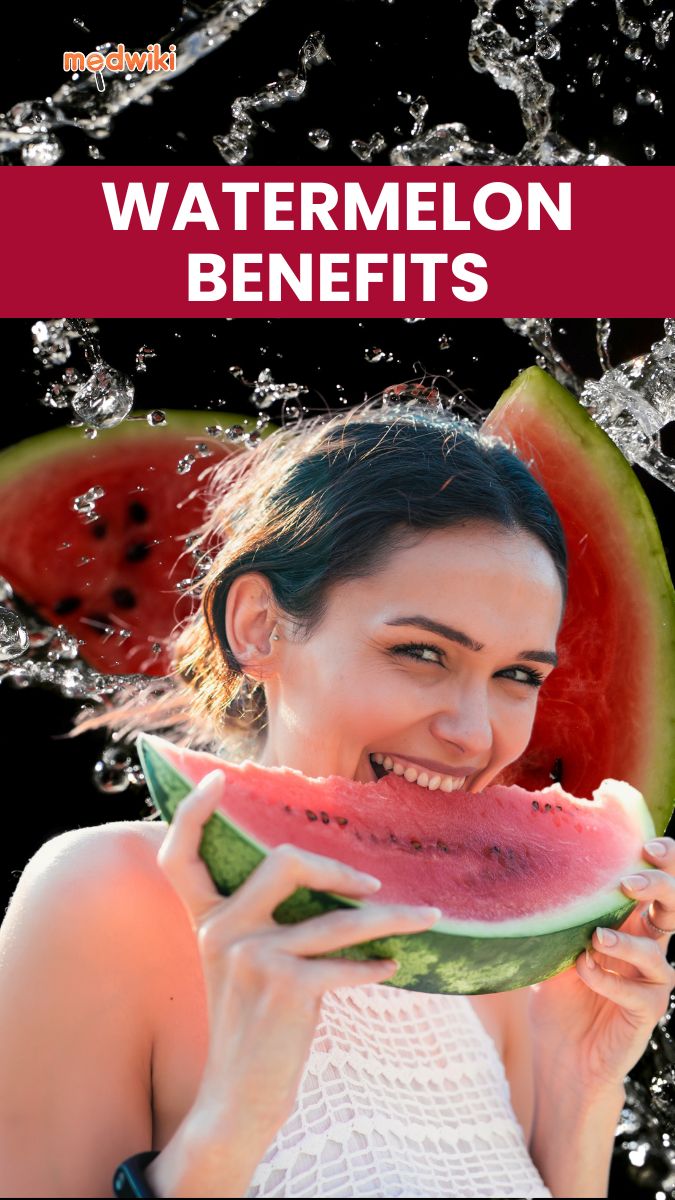
Watermelon Benefits! Stay Hydrated and Healthy in Summer!

Mrs. Prerna Trivedi
Nutritionist

How Can Bael Fruit Keep You Cool And Healthy This Summer?

Drx. Salony Priya
MBA (Pharmaceutical Management)
Can brushing after meals cause damage?
Mrs. Prerna Trivedi
Nutritionist
6 Simple Ways to Get Rid of Bad Breath Naturally!
Mrs. Prerna Trivedi
Nutritionist

Know Us
@2026 Medwiki Pvt Ltd. All Rights Reserved