


1:15
A balanced diet includes a variety of foods in the right proportions, providing essential nutrients like carbohydrates, proteins, fats, vitamins, and minerals. It is important because it supports overall health, boosts energy, strengthens the immune system, and reduces the risk of chronic diseases like heart disease and diabetes.

1:15
X Cain 2% Jelly contains lidocaine, a local anesthetic used to numb specific areas of the body. It's often applied to the skin or mucous membranes to relieve pain or discomfort during medical procedures, such as catheter insertions or minor surgeries.

1:15
While taking Cobanto NT, it's wise to avoid activities that require full alertness, such as driving or operating heavy machinery, due to potential side effects like dizziness or drowsiness. Always consult your healthcare provider for personalized advice based on your specific situation.

1:15
Bupicain 5mg Injection is a local anesthetic used to numb specific areas of the body during surgical procedures or to relieve pain. It is administered by a healthcare professional, typically through an injection near the area requiring anesthesia. Safety precautions include informing your doctor about any allergies, existing medical conditions, or medications you are taking, as Bupicain can interact with other drugs and may not be suitable for everyone.
1:15
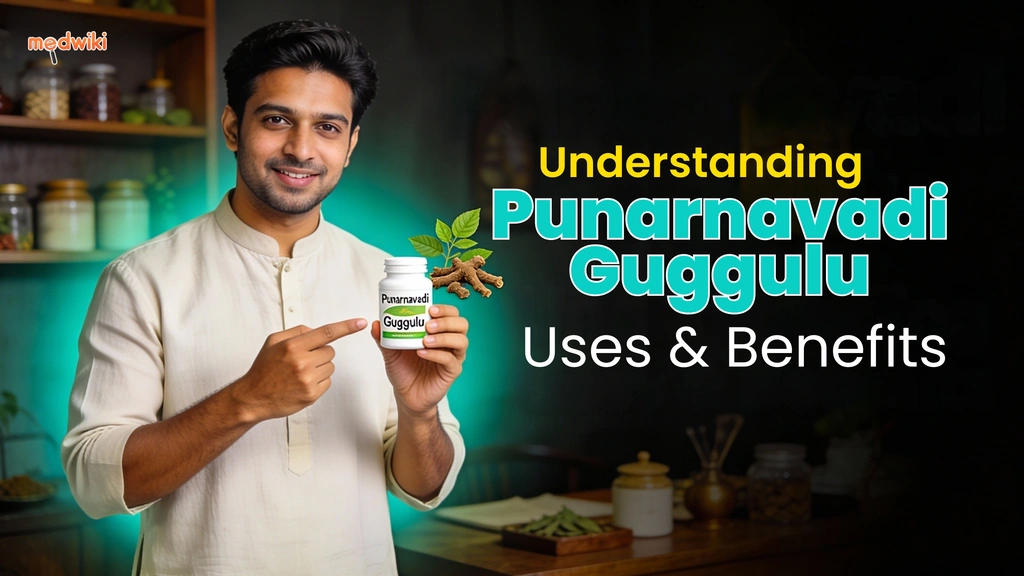
Ayurveda has always approached health as a matter of balance rather than isolated symptoms. When swelling, heaviness, joint discomfort, or repeated urinary problems appear, they are often signs that the body’s internal systems are struggling to maintain harmony. Many people ignore these early signals until they begin interfering with daily life. Over time, fluid retention, stiffness, or fatigue can become persistent concerns.One classical Ayurvedic formulation that has been used for generations to address these issues isPunarnavadi Guggulu. It is commonly recommended in conditions involving swelling, joint inflammation, sluggishmetabolism, and urinary disturbances. Instead of offering temporary relief, this formulation works gradually by supporting natural elimination, improving circulation, and reducing inflammation from within.To understand why it is still trusted today, it helps to explore how it works, when it is used, and what changes in the body it aims to correct.What Exactly Is Punarnavadi GugguluPunarnavadi Guggulu is a traditional polyherbal medicine described in classical Ayurvedic texts. It combines the rejuvenating qualities of Punarnava with the detoxifying and anti-inflammatory properties of Guggulu, along with several supporting herbs that enhance digestion and circulation.Punarnava is known for its ability to regulate fluid balance in the body. Guggulu is widely respected for its role in reducing inflammation and clearing deep seated toxins. Together, they create a formulation that supports the kidneys, liver, joints, and metabolic processes.From an Ayurvedic perspective, this medicine primarily balances Kapha and Vata dosha. When these doshas become imbalanced, the body tends to hold excess water, develop stiffness, and experience slowed elimination. This formulation helps restore movement and clarity within the system.Why Swelling and Fluid Retention OccurSwelling is not just about excess water. It reflects how well the body manages circulation, digestion, and elimination. In Ayurveda, fluid retention often develops whendigestion weakens and toxins known as ama begin to accumulate. These toxins block channels, slow metabolism, and interfere with normal fluid movement.When this process continues, the body may show signs such as puffiness in the feet or face, heaviness in the abdomen, joint stiffness, or frequent urinary discomfort. Addressing these symptoms requires improving digestion, supporting organ function, and clearing accumulated waste.This is wherePunarnavadi Guggulu becomes relevant. It does not simply push fluids out but works to correct the underlying imbalance that caused the retention in the first place.How Punarnavadi Guggulu Supports the BodyOne of the most recognized uses ofPunarnavadi Guggulu is in managing edema or swelling. It encourages healthy urine output, which helps the body release excess water gradually and safely. Unlike harsh diuretics, it does not drain strength or cause sudden depletion.In joint conditions such as arthritis and gout, inflammation and toxin buildup are key contributors. Guggulu helps reduce swelling around joints while improving mobility. Over time, stiffness decreases and movement becomes easier.The formulation also supports kidney health by improving filtration and cleansing the urinary tract. People experiencing burning urination, reduced output, or recurrent infections often benefit when the urinary system functions more efficiently.Liver support is another important aspect. When liver function slows, fluid balance and digestion are affected. Punarnava has hepatoprotective properties that support liver regeneration and detoxification, which in turn helps reduce abdominal bloating and fatigue.The Role of Digestion and MetabolismWeak digestion is often overlooked when dealing with swelling or joint pain. Ayurveda considers digestive fire or agni to be central to all health processes. When agni weakens, nutrients are not absorbed properly and waste accumulates.Punarnavadi Guggulu contains herbs like Shunthi, Pippali, and Maricha that stimulate digestion and improve absorption. This ensures that toxins are processed efficiently rather than stored in tissues. As digestion improves, the body naturally becomes lighter and more balanced.In individuals struggling with weight gain related to water retention, this formulation supports metabolism without forcing rapid weight loss. Changes occur steadily as the body begins functioning more efficiently.Key Ingredients and Their PurposeEach ingredient inPunarnavadi Guggulu serves a specific function.Punarnava supports fluid balance and tissue rejuvenation.Guggulu helps reduce inflammation and mobilize toxins.Triphala improves digestion and gentle detoxification.Shunthi, Pippali, and Maricha enhance bioavailability and circulation.Daruharidra supports liver health and cleansing.Vidanga assists in removing internal impurities.Together, these herbs create a balanced formulation that works across multiple systems rather than targeting a single symptom.Dosage and How It Is Commonly TakenThe dosage ofPunarnavadi Guggulu depends on the individual and the condition being addressed. It is usually taken after meals with warm water to support digestion and minimize irritation.Short term use may be sufficient for mild swelling or temporary fluid retention. Chronic conditions such as arthritis or long standing edema often require longer use under professional guidance.It is important to avoid self medication, especially for people with existing medical conditions or those taking modern medications.Understanding Punarnavadi Kashayam and PunarnavarishtaPunarnavadi Kashayam is a herbal decoction made from similar ingredients. It is often preferred when faster action is needed or when digestion is weak. The liquid form is easier to absorb and works well in acute swelling and urinary discomfort. For example, someone experiencing early signs of water retention in the legs may notice faster relief with the decoction than with tablets alone.Punarnavarishta is a fermented preparation that provides gentle long term support. It is commonly used during recovery phases or in chronic liver and urinary conditions where strength and digestion need gradual improvement. People recovering from liver disorders or prolonged illness often find it helps restore energy while reducing heaviness and Kapha accumulation.By usingPunarnavadi Guggulu along with these supportive formulations, Ayurveda provides a multi-layered approach where immediate relief, sustained support, and gradual strengthening happen together.Lifestyle and Diet Practices That Complement Punarnavadi GugguluTo maximize benefits, simple lifestyle and dietary adjustments are recommended. These do not replace medicine but enhance its effect.Warm water and herbal teas help stimulate digestion and support detoxification.Reducing processed, salty, and oily foods helps prevent fluid retention and inflammation.Gentle exercise and stretching promote circulation and mobility in stiff joints.Mindful stress management, including meditation or breathing practices, supports hormonal balance, which is important for fluid regulation.Regular sleep patterns ensure the body’s detoxification systems function optimally.Even small consistent changes can amplify the benefits ofPunarnavadi Guggulu over time.Possible Side Effects and Safety ConsiderationsWhen used appropriately,Punarnavadi Guggulu is generally well tolerated. Some people may notice increased urination, which is expected due to its action on fluid balance.Mild gastric discomfort may occur if taken on an empty stomach. Rare allergic reactions can occur in sensitive individuals.It is not recommended during pregnancy or breastfeeding. People with peptic ulcers or those taking blood thinners should consult a healthcare professional before use. Long term use should always be supervised.Who May Benefit the MostThis formulation may be helpful for individuals experiencing recurring swelling in the legs or face, joint pain with stiffness, urinary discomfort, or liver related bloating. It is also suitable for people who feel heavy and sluggish despite normal routines.Case Example: A 45-year-old with mild edema in the feet and early osteoarthritis found that takingPunarnavadi Guggulu along with gentle yoga and a low-salt diet reduced swelling within weeks and improved mobility over months. While not everyone experiences the same timeline, such examples illustrate how a holistic approach works best.Final ThoughtsHealth concerns like swelling, inflammation, and urinary discomfort often develop slowly and reflect deeper imbalances within the body.Punarnavadi Guggulu addresses these concerns by supporting digestion, elimination, and organ function rather than masking symptoms.Understanding how the body responds and recognizing early signals allows for timely and effective care. When used correctly and thoughtfully, this classical formulation continues to offer support for restoring balance, improving mobility, and enhancing overall wellbeing.For more health-related content, visit ourMedwiki website. You will also get access to quality medicines and healthcare products, all at affordable prices. Check it out now!Frequently Asked Questions1. How long does it take to notice results?Mild swelling may improve in 2–3 weeks, chronic conditions take longer.2. Can it be taken with other Ayurvedic formulations?Yes, it can be combined with Punarnavadi Kashayam or Punarnavarishta under guidance.3. Is it suitable for everyone?Adults with swelling or joint issues may benefit; avoid during pregnancy, breastfeeding, or ulcers unless prescribed.4. What if I miss a dose?Resume the normal schedule; do not double the next dose.5. Can it help with obesity related to water retention?It may support metabolism and fluid balance, but lifestyle changes are essential.6. Are there any long-term risks?Generally safe under supervision; periodic monitoring is recommended.7. Can it be used for joint pain and arthritis?Yes, it helps reduce inflammation and improves joint mobility.
1:15
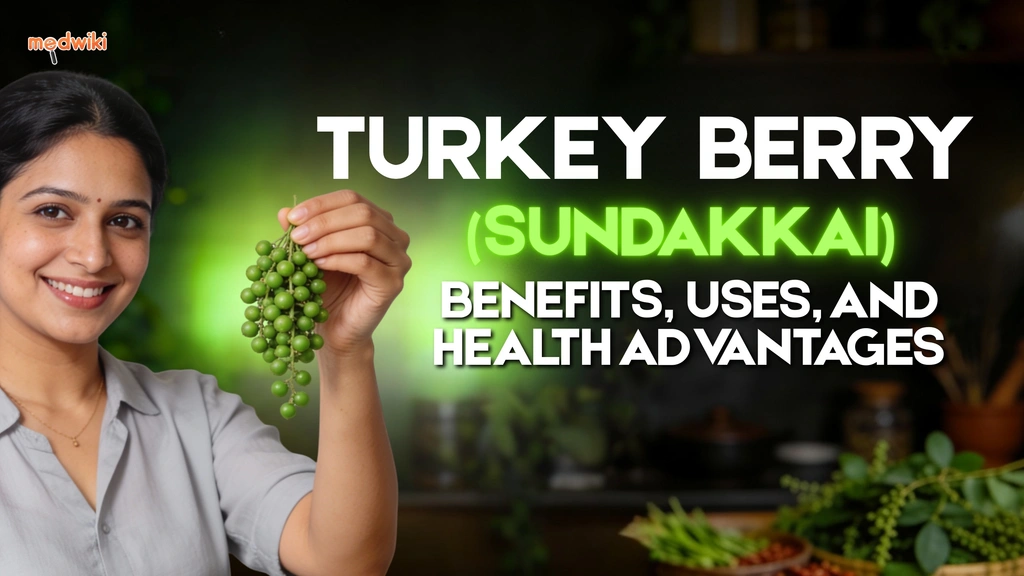
In many South Indian homes a small green berry has quietly earned deep respect over generations. It is not flashy and it is not sweet yet it has stayed relevant in traditional cooking and healing for centuries. Known widely as sundakkai in Tamil households and turkey berry in English this humble fruit has a long story rooted in everyday health and seasonal eating. Today as people search for natural ways to stay healthy the spotlight is slowly returning to this forgotten superfood.The presence ofantioxidant properties in sundakkai helps neutralize free radicals, which play a role in everyday inflammation and cellular damage. This blog exploresturkey berry benefits also known as sundakkai in a practical and honest way without exaggeration or shortcuts.What is Turkey Berry and Why is it Called SundakkaiTurkey berry comes from the plant Solanum torvum and grows naturally in tropical regions. In India it is commonly found in Tamil Nadu, Kerala and parts of Karnataka. Locally it is called sundakkai and is used both fresh and dried. The berries grow in clusters and are harvested when green and firm. When dried they turn slightly darker and develop a stronger taste.Traditionally sundakkai was not eaten daily. It was included intentionally whendigestion felt weak or when the body needed balance. Elders did not explain nutrients or antioxidants yet they understood how food affected the body. That wisdom is now being supported by modern nutritional research.Nutritional Value of Turkey BerryTo understandturkey berry benefits it helps to know what it contains. Turkey berry is rich in dietary fiber iron calcium magnesium vitamin C and small amounts of protein. It also contains plant compounds like alkaloids, flavonoids and phenols which play a role in reducing inflammation and supporting immunity.Unlike processed supplements, sundakkai delivers these nutrients in a natural form that the body recognizes and absorbs slowly. This is one reason it was trusted in traditional diets especially for people with digestive and metabolic issues.Turkey Berry Benefits for Digestive HealthOne of the most well knownturkey berry benefits is its effect on digestion. Sundakkai has a naturally bitter taste which stimulates digestive enzymes. Bitter foods have long been used to improve gut movement and reduce bloating.People who struggle with indigestion gas or irregular bowel movement often find relief when sundakkai is included in meals once or twice a week. The fiber content helps clean the digestive tract while the active compounds support gut balance. This is why sundakkai kuzhambu was commonly prepared after heavy festive meals.Supports Iron Levels and Blood HealthAnother important reason sundakkai is valued is its iron content. In traditional households sundakkai was often recommended for women especially after illness or childbirth. Iron deficiency anemia is common and instead of relying only on tablets, elders preferred iron rich foods.Turkey berry benefits include supporting healthy hemoglobin levels when consumed regularly in moderation. The presence ofvitamin C helps improve iron absorption making it more effective than some other plant sources. While it may not replace medical treatment it plays a supportive role in everyday nutrition.Turkey Berry Benefits for Diabetes ManagementSundakkai has gained attention in recent years for its role in blood sugar balance. Studies suggest that compounds in turkey berries help improve insulin sensitivity and slow down sugar absorption.For people managing type two diabetes, turkey berry benefits include better glucose control when it is included as part of a balanced diet. It does not act as a cure but it helps reduce sudden sugar spikes. This is why many traditional recipes pair sundakkai with healthy fats and spices which further stabilize blood sugar response.Helps Reduce Inflammation and Joint PainChronic inflammation is at the root of many health issues including joint pain, stiffness and fatigue. Sundakkai contains natural anti-inflammatory compounds that help calm internal inflammation.People with mild arthritis or recurring joint discomfort often report improvement when sundakkai is eaten consistently over time. One of the lesser knownturkey berry benefits is its ability to support joint mobility especially when combined with warm foods and proper rest.Turkey Berry and Respiratory HealthIn traditional medicine sundakkai was also used to support respiratory health. It was believed to help clear mucus and reduce congestion. Modern research supports this to some extent due to its antibacterial and anti-inflammatory properties.People prone to seasonal cough or throat irritation may benefit from sundakkai preparations especially when cooked with pepper garlic and cumin. These combinations were not random but carefully chosen to support lung function.Supports Gut and Liver DetoxificationThe liver plays a key role in filtering toxins from the body. Sundakkai has mild detoxifying properties that support liver health. It encourages bile production which helps break down fats and remove waste.One of the practicalturkey berry benefits is supporting the natural detox process without extreme cleansing or fasting. When included in regular meals, sundakkai helps the body maintain balance quietly and steadily.Turkey Berry Benefits for Skin HealthHealthy skin often reflects internal health. Sundakkai contributes to skin clarity by supporting digestion and reducing inflammation. Some traditional practices also used sundakkai paste externally for minor skin infections due to its antibacterial nature.Internally consuming sundakkai helps manage conditions like acne that are linked to gut imbalance and inflammation. While it is not a beauty shortcut it supports long term skin health naturally.How to Consume Turkey Berry SafelyWhileturkey berry benefits are impressive, moderation is essential. Sundakkai should always be cooked properly as raw berries can be harsh on the stomach. Drying also reduces bitterness and makes it easier to digest.Common preparations include sundakkai kuzhambu stir fry and powdered forms mixed with rice. Eating it once or twice a week is sufficient for most people. Overconsumption may cause gastric irritation especially for those with sensitive digestion.Pregnant women and individuals with existing medical conditions should consult a healthcare professional before adding sundakkai regularly.Cultural Importance of SundakkaiBeyond nutrition, sundakkai holds cultural value. It represents mindful eating and respect for seasonal foods. In earlier generations sundakkai was sun dried, carefully stored and used with intention. It was not consumed daily but treated as a medicinal food.This cultural wisdom reminds us that food is not just about taste or trends but about understanding how the body responds over time.Turkey Berry in Modern DietsAs people move toward whole foods and traditional diets, turkey berry benefits are being rediscovered. Nutritionists now recognize the value of indigenous foods that were ignored during the processed food boom.Including sundakkai in modern meals bridges the gap between ancestral knowledge and current health needs. It does not require drastic diet changes, just a return to mindful cooking.Final ThoughtsSundakkai may be small but its impact is steady and meaningful. The real strength ofturkey berry benefits lies in consistency not quick fixes. It supports digestion, blood health, sugar balance and inflammation when used correctly.In a world full of synthetic supplements and extreme diets, sundakkai stands as a reminder that simple traditional foods still have a place. By respecting its nature and consuming it wisely, turkey berry can quietly support long term health without noise or exaggeration.If you are looking to reconnect with traditional nutrition, sundakkai is a good place to start. Not because it promises miracles but because it has proven its worth through generations of everyday use. FollowMedwikifor more!Frequently Asked Questions1. What are turkey berries also known as sundakkai?Turkey berries are small green fruits called sundakkai in South India and are used in traditional cooking and medicine.2. What are the main turkey berry benefits?Turkey berry benefits include better digestion support for iron levels, blood sugar balance and reduced inflammation.3. Can turkey berries be eaten daily?No it is best eaten once or twice a week as daily consumption may irritate the stomach.4. Is sundakkai good for diabetes?Yes, sundakkai may help manage blood sugar levels when eaten in moderation along with a balanced diet.5. Should turkey berries be cooked before eating?Yes, turkey berries should always be cooked properly to reduce bitterness and aid digestion.6. Are there any side effects of eating sundakkai?Overeating sundakkai can cause gastric discomfort especially for people with sensitive digestion.7. Who should avoid turkey berries?Pregnant women and people with serious medical conditions should consult a doctor before consuming it regularly.

1:15
Natural light plays a crucial role in regulating our mood and comfort. Exposure to sunlight boosts serotonin levels, a hormone that enhances mood and helps us feel calm and focused. Additionally, natural light helps regulate our sleep-wake cycle, improving sleep quality and overall well-being.

1:15
Staying active at work can be simple and fun! Try taking short walks during breaks, using a standing desk, or doing desk exercises like leg lifts or seated stretches. Consider taking the stairs instead of the elevator and organizing walking meetings to keep moving while you discuss work topics.
Shorts
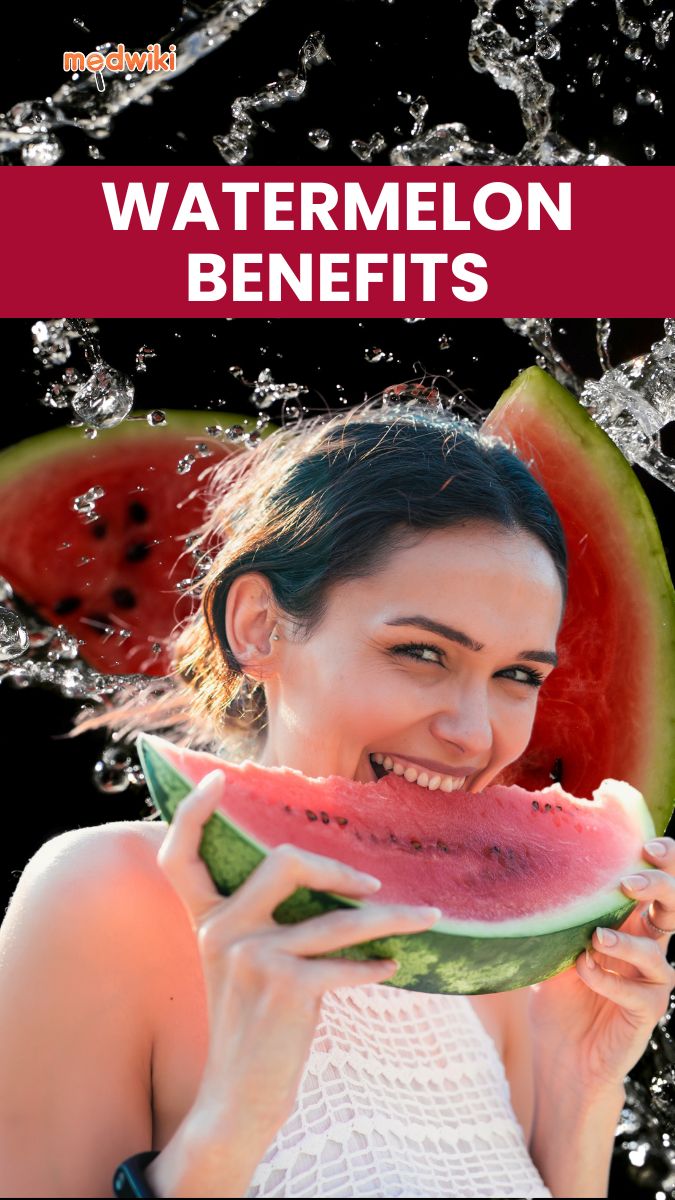
Watermelon Benefits! Stay Hydrated and Healthy in Summer!

Mrs. Prerna Trivedi
Nutritionist

How Can Bael Fruit Keep You Cool And Healthy This Summer?

Drx. Salony Priya
MBA (Pharmaceutical Management)

Can brushing after meals cause damage?
Mrs. Prerna Trivedi
Nutritionist

6 Simple Ways to Get Rid of Bad Breath Naturally!
Mrs. Prerna Trivedi
Nutritionist

Know Us
@2026 Medwiki Pvt Ltd. All Rights Reserved