


1:15
Semaglutide is a medicine formulated in a way to mimic natural hormone GLP-1. This medicine increases the production of insulin, reduces appetite and slows the rate of digestion hence, leading to weight loss. However, it is important to look for the pros and cons of this medicine before taking it.Pros:- Research says that, semaglutide can lead to 15% loss in weight of total body weight in few cases.- It is mainly an antidiabetic medicine that improves blood sugar levels by increasing insulin production in the body.- Semaglutide improves metabolism, which helps reduce risk of heart damage.- It is proven to be a better alternative to weight loss surgery.Cons:- The common side effects of semaglutide are nausea, vomiting, constipation and diarrhea.- this medicine is costly and it is not sure to be recovered by insurance.- Its safety for long-term use is not determined yet, as more research is required to see its effects on long term use.- It requires healthy food habits and exercise along with this medicine for weight loss.- This medicine requires a prescription as it doesn’t suit everybody.Source:-1. The pros, cons, and unknowns of popular weight-loss drugs. (2024, January 11). The pros, cons, and unknowns of popular weight-loss drugs. https://hub.jhu.edu/2024/01/11/ozempic-wegovy-weight-loss-drugs-pros-cons/2. Pros and cons of Semaglutide. (n.d.). Pros and cons of Semaglutide. Retrieved May 22, 2024, from https://www.aeuropea.com/wp-includes/pages/?pros_and_cons_of_semaglutide.html

1:15
Foods that should be avoided by individuals with thyroid problems include:1. Soy products: Soya products like tofu, soy milk, and soyabeans contain goitrogens that can cause an imbalance in thyroid function.2. Cruciferous vegetables: Vegetables like broccoli, brussels, cauliflower, and cabbage also contain goitrogens that can cause an imbalance in thyroid level and alter thyroid function.3. Caffeine: Excessive intake of coffee can disturb the absorption of thyroid hormones and worsen thyroid issues.4. Alcohol: Drinking too much alcohol can decrease the production and conversion of thyroid hormones and cause improper thyroid function.5. Junk foods: junk foods or fast foods are high in sodium, sugars and unhealthy fats which can interfere with body's metabolism leading to decrease in thyroid function.6. Gluten: Not all but a few people who have thyroid problems have sensitivity to gluten, which can worsen the inflammation and thyroid issues.Source:-Bajaj, J. K., Salwan, P., & Salwan, S. (2016). Various Possible Toxicants Involved in Thyroid Dysfunction: A Review. Journal of clinical and diagnostic research : JCDR, 10(1), FE01–FE3. https://doi.org/10.7860/JCDR/2016/15195.7092Disclaimer:-This information is not a substitute for medical advice. Consult your healthcare provider before making any changes to your treatment.Do not ignore or delay professional medical advice based on anything you have seen or read on Medwiki.Find us at:https://www.instagram.com/medwiki_/?h...https://twitter.com/medwiki_inchttps://www.facebook.com/medwiki.co.in/

1:15
Are you a thyroid patient struggling with weight loss?Here are some diets for the thyroid that can help in weight loss:1. Food rich in Selenium and Zinc: Chia seeds, pumpkin seeds, sunflower seeds, are rich in zinc. While Brazil nuts are rich in Selenium. Zinc and selenium are essential for producing Thyroid Stimulating Hormone (TSH), leading to improved thyroid health and keeping you full for longer, aiding in weight loss.2. Legumes and beans: Legumes and beans are high in protein g content that keeps you full and suppresses your appetite for longer leading to weight loss.3. Copper and Omega-3- 3 fatty acids: Foods like Almonds, dark leafy greens, potatoes, and sesame seeds are rich sources of copper, and egg, walnuts, ghee, and chia seeds are rich in Omega-3- 3 fatty acids, and can be included in the diet of a thyroid patient for weight loss.4. Fruits: Fruits like apples, avocados, kiwi, and berries are rich in antioxidants which can decrease cholesterol and reduce weight.5. Iodine: Food rich in iodine like salt, fish, and eggs can help regulate and balance thyroid hormones leading to decreased weight.6. Vitamin D: Vitamin D deficiency can lead to weight gain in thyroid patients. Foods rich in vitamin D such as eggs, fish, liver, and mushrooms can help balance the level of vitamin D in the body and regulate thyroid function leading to weight loss.Remember exercise and yoga are vital along with diet for weight loss in individuals with thyroid disorders.Source:-Diets and supplements for thyroid disorders. (n.d.). Diets and supplements for thyroid disorders. Retrieved May 31, 2024, from https://www.btf-thyroid.org/diets-and-supplements-for-thyroid-disordersDisclaimer:-This information is not a substitute for medical advice. Consult your healthcare provider before making any changes to your treatment.Do not ignore or delay professional medical advice based on anything you have seen or read on Medwiki.Find us at:https://www.instagram.com/medwiki_/?h…https://twitter.com/medwiki_inchttps://www.facebook.com/medwiki.co.in/
1:15
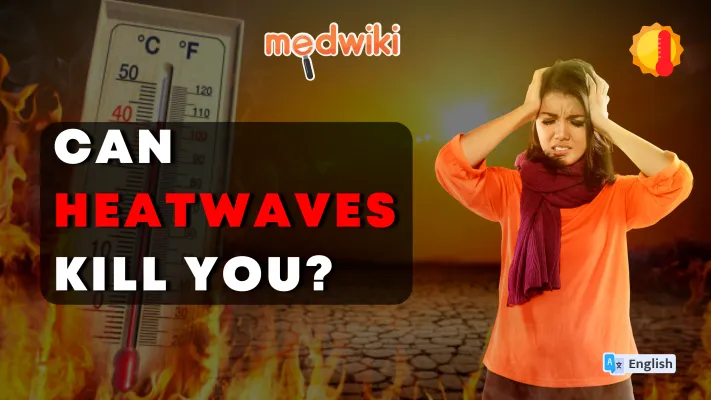
Heatwave is the hot weather of a place where temperature rises 4degree Celcius and above the maximum temperature and remains for over 3 days.The cause of heat waves is particularly the warm air which is being trapped in the atmosphere. Global warming and green house effect are the results of this. Some of the human activities like burning of fossil fuels, use of Air conditioner and refrigerators which releases CFCs( chlorofluorocarbons) , glass buildings etc are also responsible for heat waves.The harmful effects of heatwaves on human health are :- Dehydration- Heatstroke- Dizziness- Headache- Heat cramps- Heat exhaustion- Heat rashesTo prevent the harmful effect of heatwaves one can do the following:- Avoid going out during heat waves- Drink more fluids- Have atleast 3 litres of water- Include salt and sugar in water to stay hydrated- Don't stay in a compacted room during heatwave- Keep the atmosphere cool by planting more trees- Cover your body completely when you go out during heatwave- Carry ors solutions or energy drinks when going out .Heatwaves can only be prevented by planting more trees. It has been found that the places which have more trees are cooler as compared to those with less number of trees.Source:-https://www.ncbi.nlm.nih.gov/books/NBK537135/Disclaimer:-This information is not a substitute for medical advice. Consult your healthcare provider before making any changes to your treatment. Do not ignore or delay professional medical advice based on anything you have seen or read on Medwiki.Find us at:https://www.instagram.com/medwiki_/?h…https://twitter.com/medwiki_inchttps://www.facebook.com/medwiki.co.in/
1:15
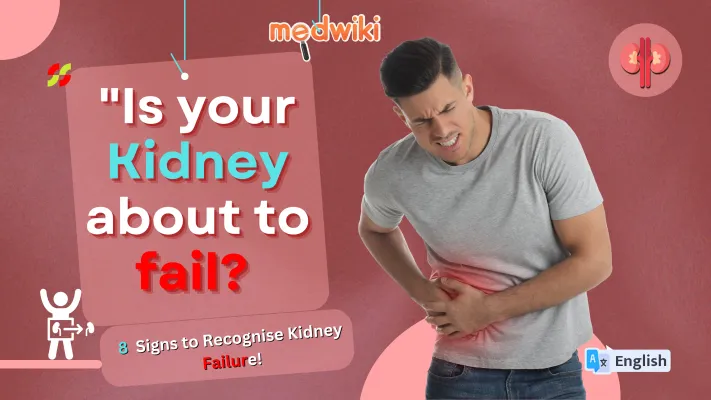
Kidney failure is also referred to as End Stage Renal Disease, is the last stage of chronic kidney disease.Kidney failure is a condition where you kidneys don't work properly that is, they are unable to filter the blood, and make urine removing the waste products from the body.During renal failure, all of the toxic substances that need to be excreted are accumulated inside the body and lead to severe problems like: swelling of the feet, increased Blood Pressure, and blood in urine.Kidney failure is mainly of two types:First is Acute Renal Failure which is a condition where kidneys don't work well for a short period of time, and is caused due to severe dehydration, or any infection in the body. It mostly gets recovered with time often within few days.And the other is Chronic Kidney Failure, it means that the kidneys has been permanently damaged over a long period of time and this type of damage can't be reversed.How to recognise the signs of kidney failure?You might notice:Swelling of the body, commonly in feetDecreased urineHigh Blood PressureFeeling to pee more at nightBlood in the urineFatigue and weaknessNausea and vomitingPresence of Foam in urineAnd restlessness.Note:- If you find any of these symptoms, you must seek for medical attention immediately.Source:-1. Kidney failure. (2024, May 17). Kidney failure. https://www.healthdirect.gov.au/kidney-failure2. Kidney failure (ESRD) - Symptoms, causes and treatment options | American Kidney Fund. (2024, May 17). Kidney failure (ESRD) - Symptoms, causes and treatment options | American Kidney Fund. https://www.kidneyfund.org/all-about-kidneys/kidney-failure-symptoms-and-causes3. Chronic kidney disease - Symptoms. (2024, May 17). Chronic kidney disease - Symptoms. https://www.nhs.uk/conditions/kidney-disease/symptoms/Disclaimer:-This information is not a substitute for medical advice. Consult your healthcare provider before making any changes to your treatment. Do not ignore or delay professional medical advice based on anything you have seen or read on Medwiki.Find us at:https://www.instagram.com/medwiki_/?h...https://twitter.com/medwiki_inchttps://www.facebook.com/medwiki.co.in/

1:15
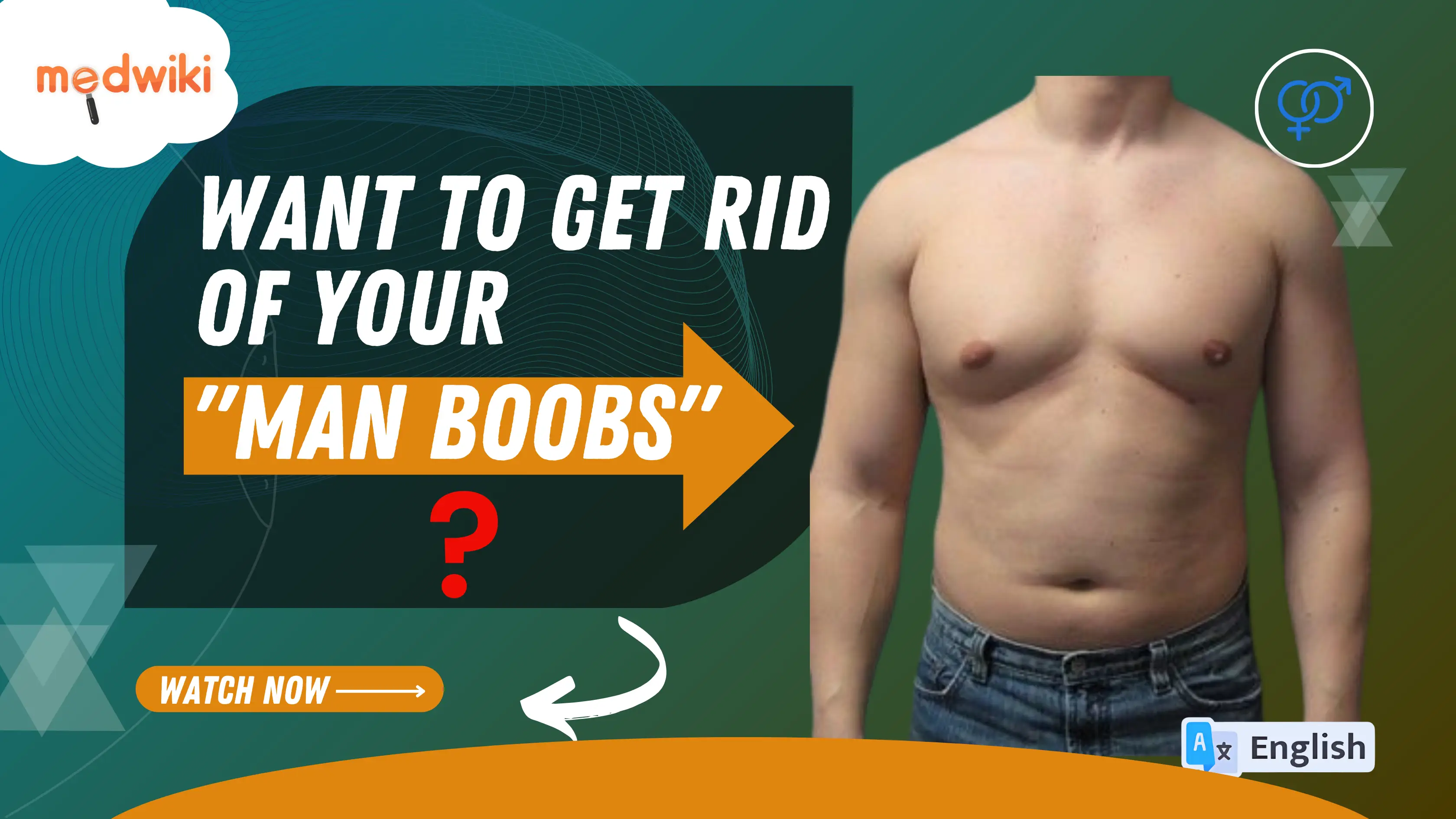
GynecomastiaThis is a condition in males, in which male hormones, Testosterone mainly decreases or the female hormones like estrogen increases. The male breasts tissues get swelled up. This condition is also commonly called as “ Man boobs”Causes of Gynecomastia- Increase in female hormone like estrogen- Decrease in male hormone like testosterone- Obesity is also one of the reasons of Gynecomastia- Overactive Thyroid gland- Lung cancer- Cirrhosis of liver- Cancer of the pituatory gland , adrenal gland or testicles- Imbalanced hormonesSymptoms of Gynecomastia are :- Breast tissue swelling- Tenderness in breasts- Pain in breasts- Being obese or overweight- Lumps or cysts in breastsTreatment of GynecomastiaUsually in Gynecomastic patients treatment is not required, it gets cured on its own. But in few cases, this can be cured by treating the underlying cause as in case of disturbed Hormones, overactive Thyroid gland etc.Very rarely surgical treatment is required.Self treatment includes:- Reducing weight ( most common cause of Gynecomastia is being overweight)- Doing chest workouts like dips, bench press, dumbbell bench press, cable crossover etc.- Cardio- High Intensity interval training ( HIIT) workouts- Maintaining proper dietUsually Gynecomastia does not need treatment. The swollen breasts goes off on its own within six months to a year.In case of Gynecomastia one can consult a plastic surgeon or an endocrinologist who is the specialist of disease of glands.Gynecomastia is also seen in children who are undergoing puberty. This happens due to increased hormones during this time. But this goes off on its own once the puberty age is over.There is no special diet to treat Gynecomastia, but having a high protein diet and doing chest workouts regularly will shape up the male chests. Once the chest muscles starting building the puffiness goes off on its own.Source:-Text book of Physiology by SemulingamDisclaimer:-This information is not a substitute for medical advice. Consult your healthcare provider before making any changes to your treatment. Do not ignore or delay professional medical advice based on anything you have seen or read on Medwiki.Find us at:https://www.instagram.com/medwiki_/?h..https://twitter.com/medwiki_inchttps://www.facebook.com/medwiki.co.in/

1:15
Height can be increased up to 22-24 years of age. Although rapid increase in height is seen during 14-17 years of age.Here are 5 effective workouts that will help in increasing your height.1. Hanging Exercises - hanging Exercises are very simple to do yet effective in increases height. They elongate the spine.2. Pelvic tilt- these exercises strengthens the core and spine. They are also effective in maintaining a good posture.3. Cobra stretch - this is one of the best exercises to increase height. It brings flexibility to the body and elongates the posture4. Pilates- this is again an exercise to strengthen the core, spine and your back. They enhance the flexibility of the body and build the core muscles.5. Tadasana or the mountain pose- this is a yoga pose. This helps in stretching the whole body and strengthening the muscles.The height also depends on the genetic factors and the nutrition a child is given. Hence ,it is important to have a high protein and calcium diet during adolescence.Source:-PMCID: PMC117125PMID: 12114235 national library of medicineDisclaimer:-This information is not a substitute for medical advice. Consult your healthcare provider before making any changes to your treatment. Do not ignore or delay professional medical advice based on anything you have seen or read on Medwiki.Find us at:https://www.instagram.com/medwiki_/?h...https://twitter.com/medwiki_inchttps://www.facebook.com/medwiki.co.in/
Shorts

Watermelon Benefits! Stay Hydrated and Healthy in Summer!

Mrs. Prerna Trivedi
Nutritionist

How Can Bael Fruit Keep You Cool And Healthy This Summer?

Drx. Salony Priya
MBA (Pharmaceutical Management)

Can brushing after meals cause damage?
Mrs. Prerna Trivedi
Nutritionist

6 Simple Ways to Get Rid of Bad Breath Naturally!
Mrs. Prerna Trivedi
Nutritionist

Know Us
@2026 Medwiki Pvt Ltd. All Rights Reserved